Study Questions Uniform Stool-Test Cutoff Across Age Groups
Posted on 20 Nov 2026
Colorectal cancer remains a major clinical challenge, ranking as the fourth most common cancer and the second-leading cause of cancer death in the U.K. Early-onset colorectal cancer, defined as diagnosis before age 50, is also increasing globally, raising concerns about timely diagnosis in younger symptomatic patients. New evidence now questions whether a single stool-test cutoff should be applied uniformly across all age groups.
A University of Nottingham-led study evaluated fecal immunochemical testing (FIT) for colorectal cancer diagnosis in symptomatic patients under age 50. FIT is used by general practitioners to detect microscopic traces of blood in stool from patients with symptoms that may indicate colorectal cancer. Under the current practice described in the study, patients with FIT results of 10 or above are referred for urgent hospital investigation, including colonoscopy, while a negative result indicates a very low risk of cancer.
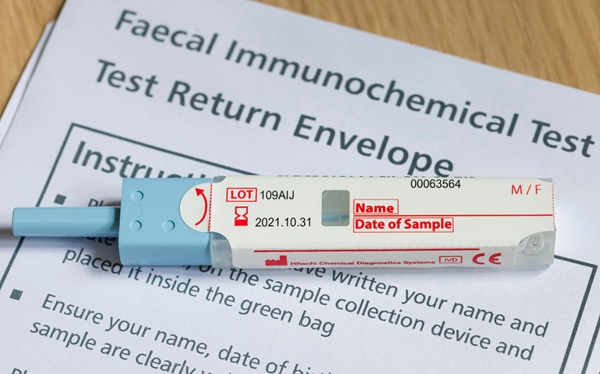
The research team reviewed all available studies of FIT use in symptomatic patients under 50 and compared the findings with those from patients over 50. The analysis included 12 studies involving more than 69,000 people under 50 who had symptoms and underwent FIT testing. Among younger patients tested with FIT, approximately 1 in 300, or 0.35%, were diagnosed with colorectal cancer, while the risk among patients over 50 was three to seven times higher.
The findings indicate that FIT performs well for detecting colorectal cancer in symptomatic patients, but suggest that the same threshold of 10 may not be equally appropriate across age groups. Because colorectal cancer is less common in younger adults, more patients under 50 would need to undergo invasive investigation to detect one cancer case compared with older adults.
The study, titled “Diagnostic performance of faecal immunochemical testing (FIT) for colorectal cancer in symptomatic patients under 50 years tested in primary care: a systematic review,” was published in Gut, and involved the University of Nottingham, the School of Medicine, the NIHR Nottingham Biomedical Research Centre, COLOREACH-UK, and Fight Colorectal Cancer.
“Early-onset colorectal cancer is rising worldwide, and this is exactly the kind of question our Global Research Collaborative was built to answer. By pooling evidence across countries, this team has shown that one FIT threshold may not work equally well for every age group. Fight CRC is proud to have brought this group together, and we look forward to the next steps toward better, more tailored diagnosis for people under 50,” said Anjee Davis, MPPA, chief executive officer of Fight Colorectal Cancer.
Related Links
University of Nottingham