Randox Highlights Its Innovative Diagnostic Products Revolutionizing Healthcare at MEDLAB Middle East
|
By LabMedica International staff writers Posted on 25 Jan 2022 |


|
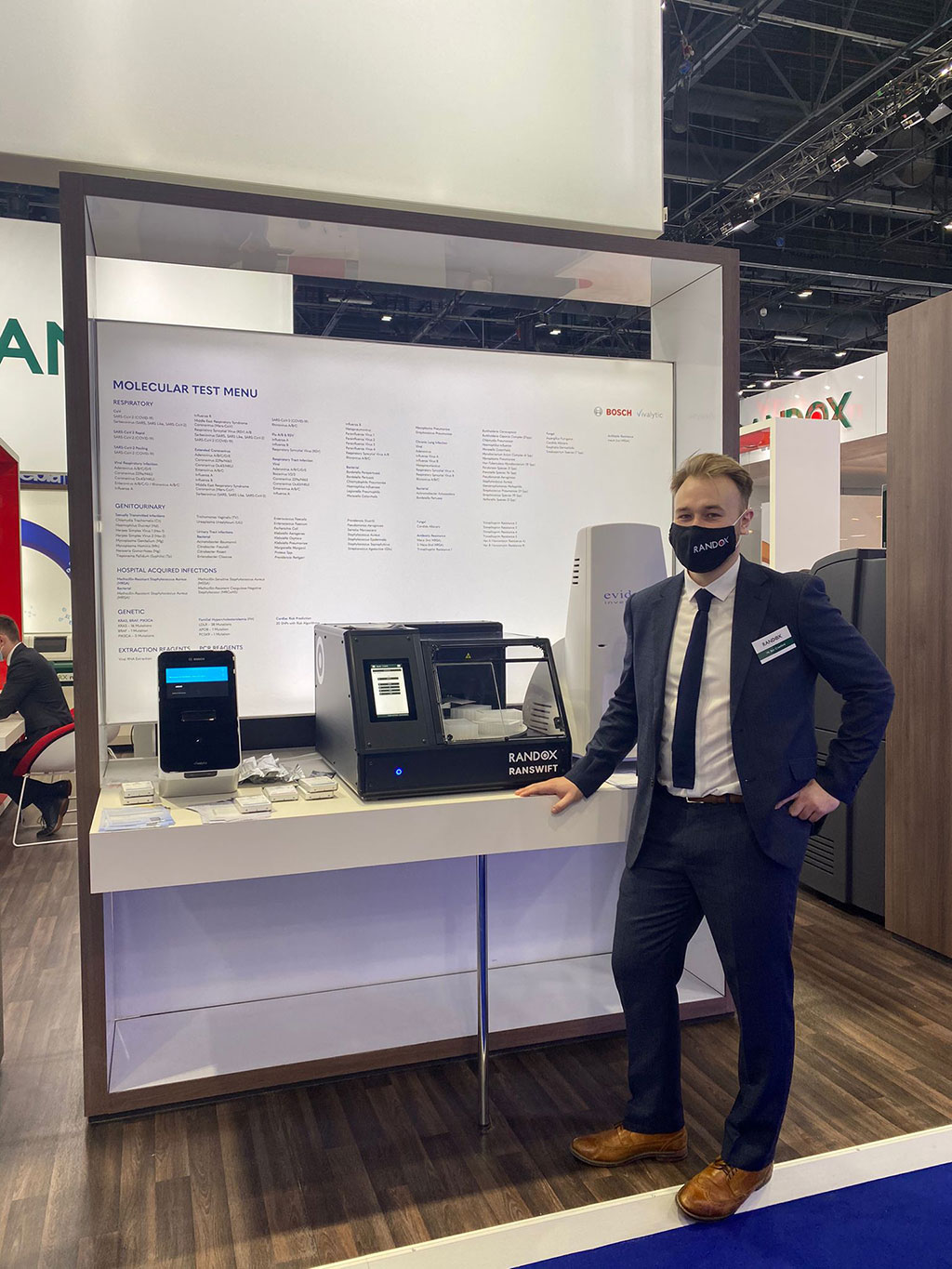
Randox Laboratories (Crumlin, UK) showcased the Vivalytic all-in-one molecular diagnostics solution and the Randox Discovery benchtop lab at MEDLAB Middle East which took place 24-27 January 2022 at the Dubai World Trade Centre.
The innovative platform Vivalytic developed by Randox in partnership with Bosch aims to change accessibility to molecular diagnostics. Using Randox-patented Biochip Array Technology, it is the easiest-to-use and most-comprehensive multiplex PCR platform on the market. It provides the broadest range of test options ever seen for an analyzer of its size, and also supports single-plex and low-plex testing, simplifying the processes for otherwise-complex laboratory test procedures. Depending on the test application, results will be delivered from 30 minutes. The Vivalytic is the perfect fit for any laboratory with numerous benefits to enhance testing capabilities.
Also on display at this year’s at MEDLAB Middle East was the Randox Discovery, an exciting and unique analyzer consolidating molecular and immunoassay workflows onto one compact benchtop platform. The COVID-19 diagnostic analyzer is the first to combine sample preparation techniques including extraction, PCR & Biochip Technology. Simple and easy to use, the intuitive user-interface guides the operator through the entire testing process. Built with the user and laboratory in mind, a single operator is all that is required to run up to three fully automated discovery platforms increasing operator walkaway time and ensuring rapid turnaround time of three hours to first batch results.
Related Links:
Randox Laboratories






Latest Medlab 2022 News
- EUROIMMUN Presents EUROPattern Microscope Live with EUROLabOffice 4.0 Software for Ultrafast Automated Microscopy
- PerkinElmer Exhibits Automated Nucleic Acid Extraction Solutions at MEDLAB Middle East
- Abbott Displays Its Life-Changing POC Tests and Diagnostic Tools at MEDLAB Middle East
- Diagast Presents Latest Immunohaematology Solutions at MEDLAB Middle East
- Siemens Brings Its Latest Innovations in Laboratory Diagnostics to MEDLAB Middle East 2022
- Bioperfectus Showcases Its Molecular Diagnostic Products for Infectious Diseases at MEDLAB 2022 Online
- Seegene Showcases New STARlet-AIOS All-in-One Solution for All Molecular Testing at MEDLAB Middle East
- LumiraDx Presents Its Next-Generation POC Diagnostics Platform and Fast Lab Solutions at MEDLAB Middle East
- Beckman Coulter Demonstrates Newly Launched DxA 5000 Fit Workflow Automation System at MEDLAB Middle East
- Horiba Presents Comprehensive Range of Hematology, Hemostasis and Clinical Chemistry Analyzers at MEDLAB Middle East
- MGI Tech Launches New MGISP-Smart 8 Automated Sample Preparation System at MEDLAB Middle East
- GC Labs Highlight Its “Smart Lab” Concept at MEDLAB Middle East 2022
- MEDLAB Middle East and Arab Health 2022 Edition Return as Co-Located Events for Healthcare and Laboratory Industries
Channels
Clinical Chemistry
view channel
Point-of-Care Blood Test Could Speed Treatment Decisions in Acute Stroke
Minutes can shape treatment decisions in emergency stroke care, particularly when physicians need to know whether a patient is taking anticoagulants before administering clot-dissolving therapy.... Read more
Breath Analysis Shows Promise for Distinguishing Cancerous from Benign Lung Nodules
Lung nodules are frequently detected during imaging, but distinguishing malignant from benign findings can require invasive procedures. Some patients undergo biopsies, bronchoscopy, or surgery before learning... Read more

Molecular Diagnostics
view channel
Rapid Genetic Test Aims to Shorten Brain Tumor Diagnosis Time
Brain tumors can be highly aggressive and difficult to treat, and The Brain Tumour Charity describes them as the biggest cancer killer of children and adults under 40. With more than 100 recognized tumor... Read more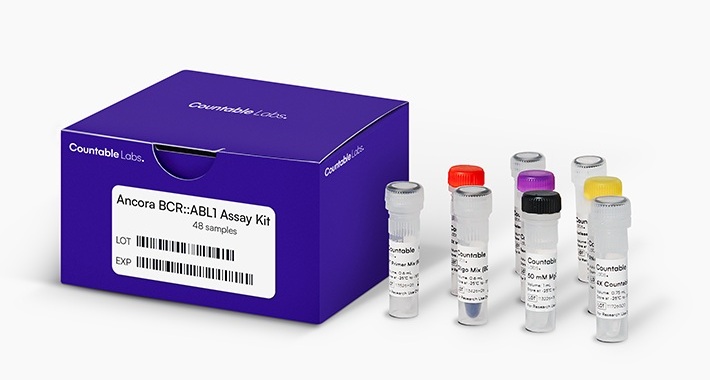
New Oncology Assays Deliver Precise Molecular Counts with MRD-Grade Sensitivity
Precise molecular monitoring is central to managing hematologic malignancies, but traditional PCR workflows can limit sensitivity, multiplexing, and result clarity. Limited sample volumes and fragmented... Read more

Hematology
view channel
New Donor Genetic Marker May Help Predict Stem Cell Transplant Success
Donor selection for hematopoietic stem cell transplantation plays a major role in relapse risk and survival for patients with blood cancers and other blood disorders. Despite advances in genotyping, uncertainty... Read more
Updated Ferritin Thresholds Improve Detection of Iron Deficiency
Iron deficiency is one of the most common health conditions worldwide, yet its nonspecific symptoms can delay diagnosis for months. Variation in testing practices and ferritin thresholds may contribute... Read more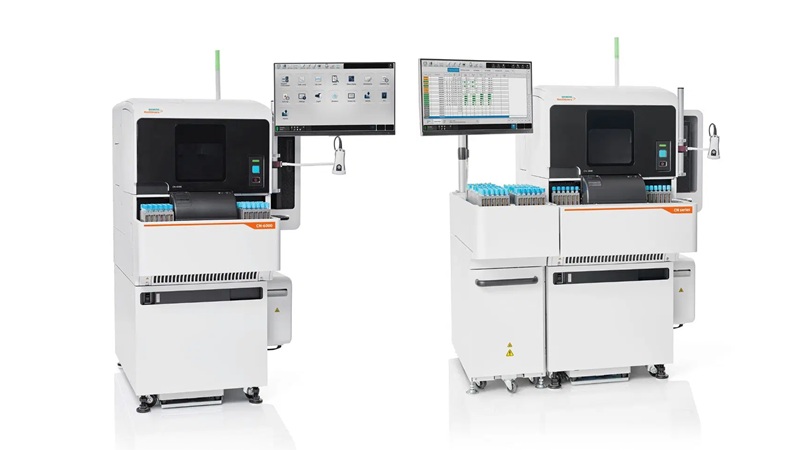
Immunology
view channel
Blood Test Differentiates Bacterial and Viral Infections in Febrile Infants
Fever in infants younger than 3 months is treated as a medical emergency because infections can become life-threatening while the immune system is still developing. Emergency department teams must quickly... Read more
New Autoantibody Test Targets Pre-Symptomatic Type 1 Diabetes Screening
Type 1 diabetes is often first recognized only after substantial beta-cell destruction, sometimes presenting as diabetic ketoacidosis. Population-scale screening could identify children at elevated risk... Read more
Microbiology
view channel
One-Hour Molecular Panel Expands Bloodstream Infection Testing for Gram-Negative Pathogens
Bloodstream infections can progress rapidly and lead to sepsis, organ failure, and death. In the United States, about 1.7 million adults develop sepsis each year, and at least 350,000 die during hospitalization... Read more
FDA Clears Rapid Phenotypic Antimicrobial Susceptibility System for Positive Blood Cultures
Bloodstream infections require prompt treatment, but antimicrobial susceptibility results often lag behind a positive blood culture. Conventional testing can take another 24 to 48 hours after a culture... Read more
New Urine Test Expands Mycotoxin Analysis to 31 Markers for Broader Exposure Assessment
Clinical evaluation of mold exposure increasingly relies on urinary mycotoxin testing, but limited marker coverage and metabolite masking can make results more difficult to interpret. Broader analysis... Read more
Pathology
view channel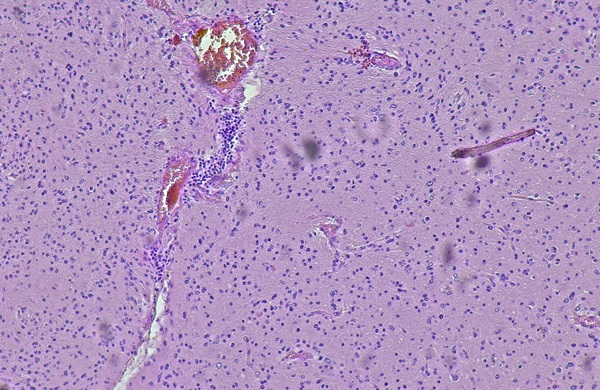
New AI Model Maps Where Glioblastoma Could Return After Surgery
Glioblastoma is the most common malignant brain tumor in adults and the most lethal, with median survival of about 17 months after diagnosis. Even after surgeons remove all visible tumor and patients receive... Read more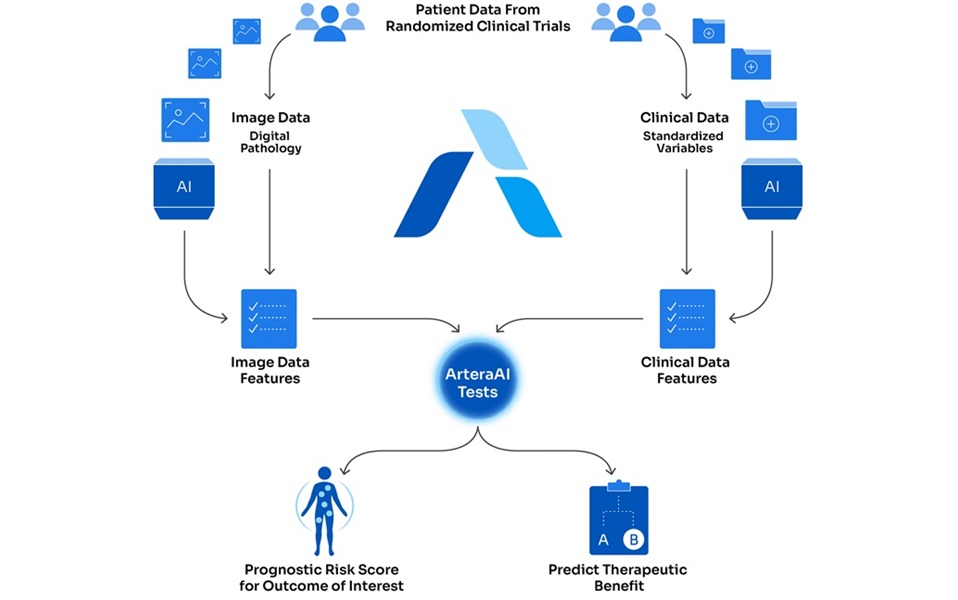
Multimodal AI Supports Prostate Cancer Risk Assessment Across Diverse Cohorts
Artera’s (Los Altos, CA, USA) multimodal artificial intelligence (MMAI) platform is being featured in five abstracts at the American Society for Radiation Oncology (ASTRO) 2026 Annual Meeting.... Read more
Technology
view channel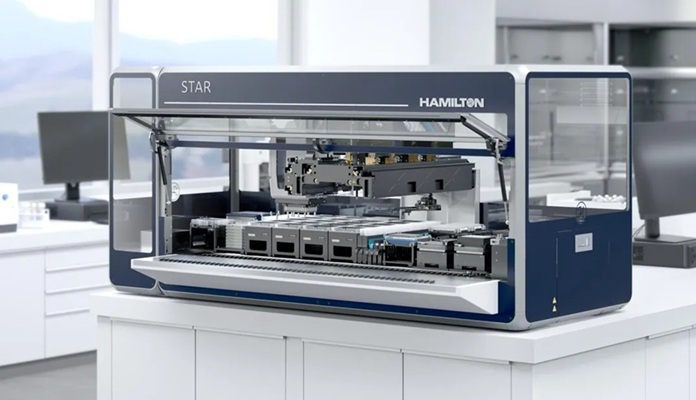
New Automation Workflow Streamlines NGS Library Preparation for High-Volume Labs
Demand for next-generation sequencing (NGS) continues to rise as laboratories process growing sample volumes, yet library preparation remains labor-intensive and a frequent source of variability.... Read more
ADLM Calls for CLIA Updates to Support Safe AI Use in Laboratory Medicine
Clinical laboratories increasingly use artificial intelligence to verify, interpret, and report results, but safeguards under the Clinical Laboratory Improvement Amendments (CLIA) were designed in 1992.... Read more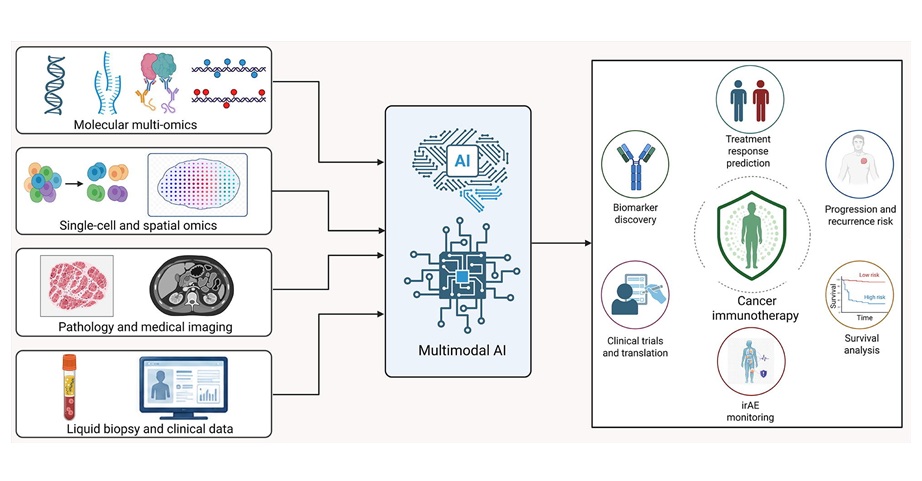
Industry
view channel
Collaboration Combines AI Cognitive Assessment and RNA Blood Testing for Earlier Alzheimer’s Detection
Alzheimer’s disease is often identified only after substantial neurodegeneration, partly because current diagnostic pathways are fragmented and difficult to scale. As treatment shifts toward earlier intervention,... Read more
Mayo Clinic Laboratories and Pathology Asia Expand Genomic Testing Across Asia-Pacific
Mayo Clinic Laboratories and Pathology Asia Holdings (PAH), together with subsidiary LifeStrands Genomics, announced a strategic investment and collaboration focused on expanding access to advanced diagnostics... Read more