Certest Presents Newly-Released SARS-CoV-2 Diagnostic Products at AACC Clinical Lab Expo
|
By LabMedica International staff writers Posted on 29 Sep 2021 |


|

CerTest Biotec (Zaragoza, Spain) introduced all the new releases developed by the company in recent months, especially its products focused on the diagnosis of SARS-CoV-2, at the 2021 AACC Annual Scientific Meeting & Clinical Lab Expo.
Dedicated to achieving better health through laboratory medicine, the American Association for Clinical Chemistry, AACC, brings together more than 50,000 clinical laboratory professionals, physicians, research scientists, and business leaders from around the world focused on clinical chemistry, molecular diagnostics, mass spectrometry, translational medicine, lab management, and other areas of breaking laboratory science.
Among its new releases highlighted by CerTest at AACC 2021 were the VIASURE Tropical Panel I Real Time PCR Detection Kit designed for the specific and differentiation of Zika (ZIKV), Dengue (DENV), Chikungunya (CHIKV), West Nile (WNV), Yellow fever (YFV) and/or Mayaro (MYV) viruses; and the FOB Turbilatex non-invasive immunological test for bowel cancer screening.
CerTest’s new products for the diagnosis of SARS-CoV-2 that were exhibited at the event included the CerTest CLIA SARS-CoV-2 Plate which is an antigen detection product; the CerTest SARS-CoV-2 one step card test which is a colored chromatographic immunoassay for the qualitative detection of SARS-CoV-2 from nasopharyngeal swab samples from patients with sign and symptoms of COVID-19 infection; and the VIASURE SARS-CoV-2 Variant II Real Time PCR Detection Kit for the qualitative detection of RNA from genetic mutations in the S gene (P681R, L452R and E484Q) from positive SARS-CoV-2 nasopharyngeal samples.
CerTest also used the event as a launching pad for its new Business Units: CerTest CLIA, BioSynProbes and CerTest Vaccines, which were represented at the company’s booth. According to the company, the new business units will complete the portfolio of comprehensive solutions not only for the diagnosis of infectious diseases, but also in the manufacturing processes of clinical tests and disease cure.
Related Links:
CerTest Biotec









Latest AACC 2021 News
- Study Showing Differing COVID-19 Antibody Profiles Among Vaccinated and Naturally Infected Individuals Presented at AACC 2021
- Study Reveals Varying Antibody Responses and Adverse Reactions Among Recipients of Different COVID-19 Vaccines
- Novel Study on Performance of Coronavirus Tests in Children Presented at 2021 AACC Annual Scientific Meeting
- New Rapid Test That Identifies Deteriorating COVID-19 Patients with Greater Accuracy than Existing Tests Presented at AACC 2021
- New Blood Test for Occupational Stress Identifies Healthcare Professionals Burned out from COVID-19 Pandemic
- New Non-Invasive Saliva Test for Early and Accurate Detection of Prostate Cancer Presented at AACC 2021
- New Non-Invasive Blood Test for Colon Cancer Presented at 2021 AACC Annual Scientific Meeting
- Study Establishing Accurate Reference Intervals for Pregnant Patients Presented at AACC 2021
- New Test that Measures Antibodies in Girls Who Have Received HPV Vaccine Presented at AACC 2021
- Novel Insights on COVID-19 Vaccines and Virus Evolution, AI in the Clinic, and Miniaturization of Diagnostic Platforms Explored at AACC 2021
- Seegene Unveils New STARlet-AIOS All-in-One Solution for All Molecular Testing at AACC 2021
- Group K Diagnostics Demonstrates KromaHealth Kit that Enables Lab-Quality Results at Point-of-Care
- NGeneBio Showcases NGS-Based Oncology/Genetic Diseases Kits and NGenePlex nCoV qRT-PCR Kit Against COVID-19
- Visby Medical Presents New Portable PCR COVID-19 Test Kit at 2021 AACC Annual Scientific Meeting & Clinical Lab Expo
- Fluxergy Introduces First-of-Its-Kind Multi-Modal Laboratory Platform That Diagnoses COVID-19 On-Site in 60 Minutes
- Mammoth Biosciences Presents AACC 2021 Disruptive Technology Award Finalist CRISPR-Based Detection Platform
Channels
Clinical Chemistry
view channel
Common Kidney Function Tests May Miss CKD in Cancer Patients
Chronic kidney disease (CKD) can complicate cancer care, as reduced kidney filtration may affect treatment eligibility and dosing. In oncology, kidney function assessment often relies on estimated glomerular... Read more
Point-of-Care Blood Biomarker Test Detects Brain Injury Missed by CT
Traumatic brain injury remains difficult to assess in emergency settings because some patients continue to have symptoms despite normal computed tomography findings. Approximately 2.8 million people in the U.... Read more

Molecular Diagnostics
view channel
Updated Framework Guides Assessment of Actionable Cancer Biomarkers
Cancer care increasingly relies on molecular testing to guide targeted treatment selection. Broader use of tumor sequencing has expanded the volume and diversity of biomarker data available to oncologists,... Read more
Genomic Tissue Test Predicts Metastasis and Abiraterone Benefit in High-Risk Prostate Cancer
Prostate cancer is the most common cancer in men, affecting more than 1 million men worldwide in 2013. Its clinical course varies substantially between patients, complicating efforts to identify those... Read more

Hematology
view channel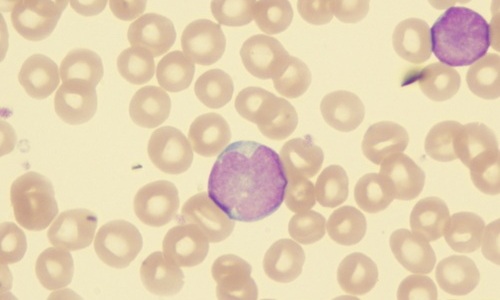
New Risk-Stratification Tool Predicts Relapse After Blinatumomab in Childhood ALL
Acute lymphoblastic leukemia in children and young people requires careful assessment of relapse risk, particularly as treatment approaches move beyond standard chemotherapy. Traditional relapse predictors... Read more
New Myelofibrosis Guidelines Recommend Expanded Genetic Testing at Diagnosis
Myelofibrosis is a rare, life-threatening blood cancer affecting up to six per 100,000 people. The disease causes scarring in the bone marrow, limiting the production of healthy blood cells and potentially... Read more

Immunology
view channel
Antibody Profiling Predicts Inflammatory Bowel Disease Years Before Diagnosis
Inflammatory bowel disease (IBD), which includes Crohn’s disease and ulcerative colitis, involves abnormal immune responses that cause persistent inflammation and damage in the digestive system.... Read more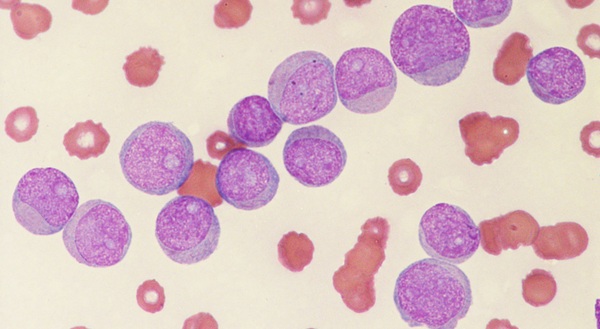
Immune Profiling Initiative Aims to Improve Bone Marrow Analysis in Leukemia
Acute myeloid leukemia (AML) is an aggressive blood cancer in which assessing disease burden after therapy can help guide clinical evaluation. Patients with measurable residual disease (MRD) after treatment... Read more
Immune Profiling Identifies Early Maternal Autoantibodies Linked to Preterm Birth Risk
A typical pregnancy lasts about 40 weeks, but labor begins prematurely in roughly one in 10 pregnancies. Preterm birth is the leading cause of newborn death worldwide, yet its underlying causes and which... Read more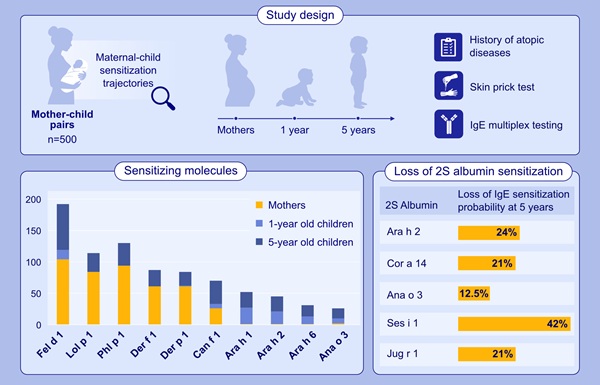
Longitudinal Blood Testing Reveals Changes in Allergen Sensitization During Childhood
Food allergy is a major childhood health concern, and distinguishing persistent risk from transient sensitization can guide clinical decisions. Specific IgE antibodies may be detectable even when a child... Read moreMicrobiology
view channel
Decentralized Laboratory Network Improves Detection of Viral Hemorrhagic Fevers in Guinea
Viral hemorrhagic fevers remain a major diagnostic challenge in West Africa because their early symptoms can resemble those of other febrile illnesses. The 2014–2016 Ebola epidemic underscored the need... Read more
Molecular Panel Gains WHO Emergency Use Listing to Support Ebola Outbreak Response
The ongoing Ebola Bundibugyo outbreak in the Democratic Republic of the Congo and neighboring countries has become one of the largest outbreaks of this Ebola virus species recorded to date.... Read more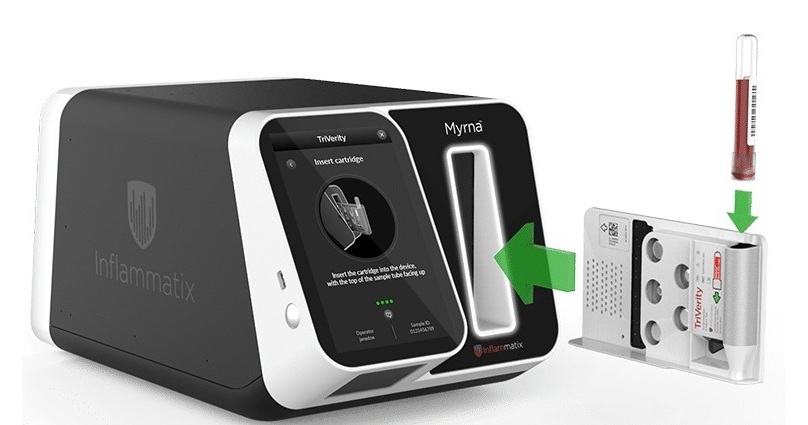

Pathology
view channel
Digital Pathology Test Stratifies Recurrence Risk in Early Breast Cancer
In hormone receptor-positive, human epidermal growth factor receptor 2 (HER2)-negative early breast cancer, accurate recurrence-risk assessment helps guide treatment decisions. However, individual risks... Read more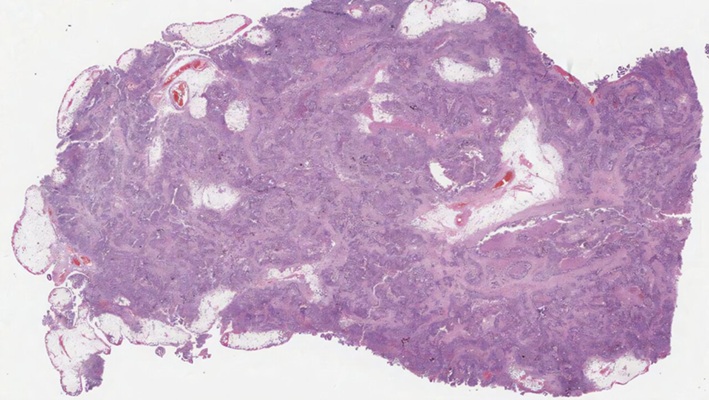
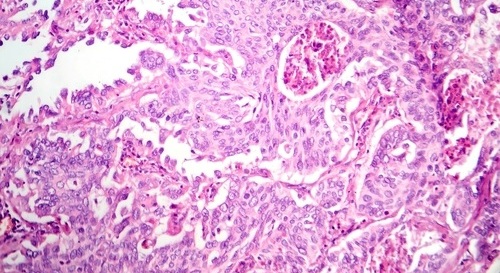
AI Pathology Tool Predicts DNA Repair Deficiency in High-Grade Serous Ovarian Cancer
High-grade serous tubo-ovarian carcinoma is an aggressive cancer arising in the ovaries or fallopian tubes. Some tumors exhibit homologous recombination deficiency (HRD), a feature reflecting impaired DNA repair.... Read more
Technology
view channel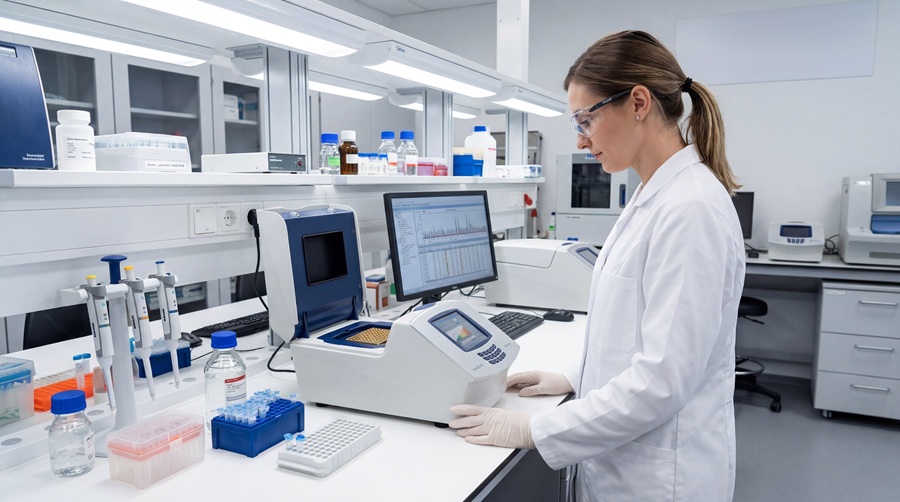
Compact PCR Thermal Cycler Launches for Routine Molecular Laboratory Workflows
Molecular laboratories rely on nucleic acid analysis to detect molecular information accurately and reproducibly across a wide range of applications. Supporting these routine workflows, a newly launched... Read more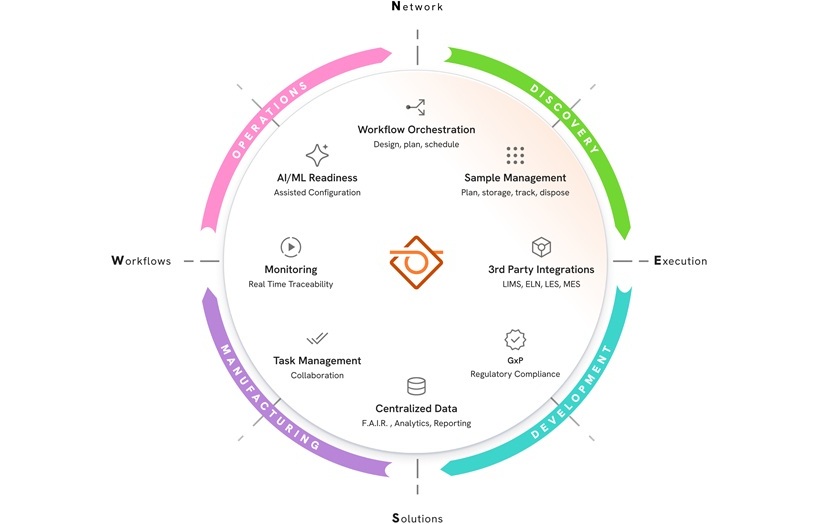
New AI-Powered System Aims to Streamline Laboratory and Manufacturing Workflows
Scientific laboratories supporting drug development, biotechnology, and materials research increasingly rely on coordinated digital workflows to move data, samples, and activities across teams.... Read more
Industry
view channel
Collaboration Brings Tumor-Informed MRD Monitoring to Breast Cancer Care in Abu Dhabi
For many patients, cancer treatment does not eliminate the risk of recurrence, which may occur months or years later and become harder to treat after spreading. Recurrence is often detected only after... Read more