Eppendorf Introduces Multipurpose Centrifuge 5910 Ri to Accelerate Results
|
By LabMedica International staff writers Posted on 16 Apr 2021 |


|
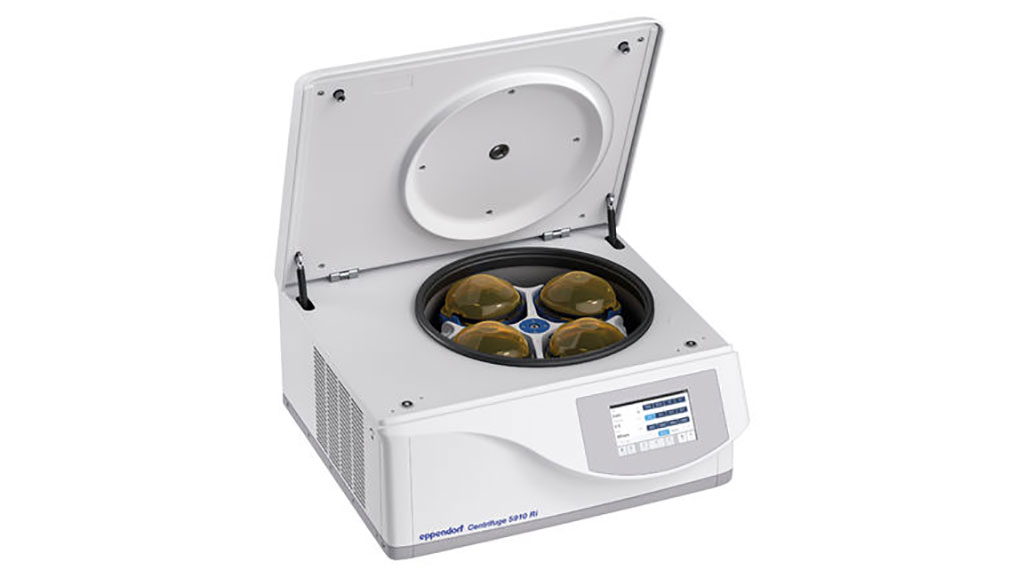
Image: Eppendorf Centrifuge 5910 Ri (Photo courtesy of Eppendorf AG)
Eppendorf AG (Hamburg, Germany) has introduced a new centrifuge designed to increase efficiency in the laboratory, Centrifuge 5910 Ri, a successor to the company’s popular Centrifuge 5910 R.
The Centrifuge 5910 Ri has been the flagship of Eppendorf multipurpose centrifuge portfolio that has been providing customers worldwide with outstanding versatility and ease of use since its launch in 2018. With the introduction of Centrifuge 5910 Ri, Eppendorf now offers scientists advanced features to simplify and accelerate the centrifugation steps of their workflow. An innovative touchscreen interface allows for quick setting of desired parameters while three levels of user management and new documentation options provide enhanced security and traceability. The optional connection to the new VisioNize Digital Lab Suite enables remote monitoring of the device, notification of alarms and events, and convenient access to important documents such as certificates and operating manuals.
A large selection of rotors and adapters facilitates a wide range of applications, while the unique Universal rotor saves time by allowing the centrifugation of, for example, 50 mL conical tubes, plates and 250 mL bottles without the need to change the rotor, rotor buckets or adapters. High capacity and performance combined with an intuitive user interface for fast, error-free operation make the new Eppendorf Centrifuge 5910 Ri well-equipped to meet the needs of modern labs now and into the future.





The Centrifuge 5910 Ri has been the flagship of Eppendorf multipurpose centrifuge portfolio that has been providing customers worldwide with outstanding versatility and ease of use since its launch in 2018. With the introduction of Centrifuge 5910 Ri, Eppendorf now offers scientists advanced features to simplify and accelerate the centrifugation steps of their workflow. An innovative touchscreen interface allows for quick setting of desired parameters while three levels of user management and new documentation options provide enhanced security and traceability. The optional connection to the new VisioNize Digital Lab Suite enables remote monitoring of the device, notification of alarms and events, and convenient access to important documents such as certificates and operating manuals.
A large selection of rotors and adapters facilitates a wide range of applications, while the unique Universal rotor saves time by allowing the centrifugation of, for example, 50 mL conical tubes, plates and 250 mL bottles without the need to change the rotor, rotor buckets or adapters. High capacity and performance combined with an intuitive user interface for fast, error-free operation make the new Eppendorf Centrifuge 5910 Ri well-equipped to meet the needs of modern labs now and into the future.

Platinum Member
Automated Coagulation Analyzer
Hemolumi H6
New
Alzheimer's Disease Biomarker Assay
Elecsys Phospho-Tau (217P) Plasma
Gold Member
Nucleic Acid Extractor System
NEOS-96 XT
Latest Industry News
- Qiagen Agrees to Go Private Through EQT-Led Acquisition
- Hologic and Inpeco Partner to Advance Molecular Laboratory Automation in Europe
- Collaboration to Expand Cervical Cancer Screening Access With At-Home HPV Collection
- Myriad Genetics to Sell Prenatal Testing Portfolio to Labcorp
- Alzheimer’s Progression Blood Test Gains U.S. Patent Ahead of Planned Launch
- Hologic to Broaden Breast Cancer Testing Portfolio Through Reveal Genomics Acquisition
- Labcorp Acquisition to Strengthen Specialty Testing and Prostate Cancer Assessment
- Collaboration Advances Genomic Instability Biomarker for Prostate Cancer
- Managed Care Report Examines Barriers to Breast Cancer Biomarker Testing
- Expanding Screening and Biomarker Testing Drive Cancer Diagnostics Market Growth
- Expanded Partnership Scales AI-Powered Digital Pathology for Oncology
- Hospital Partnership Advances Clinical Validation of Portable Diagnostic Technology
- Diazyme Expands Chemistry Testing Portfolio With Alfa Wassermann Acquisition
- Global TB Summit Connects Diagnostic Testing With Prevention and Clinical Care
- Agilent's Acquisition of Proscia to Advance AI-Enabled Digital Pathology Workflows
- Digital Pathology Collaboration Expands Laboratory Access to AI-Driven Diagnostics
Channels
Clinical Chemistry
view channel
Point-of-Care Blood Biomarker Test Detects Brain Injury Missed by CT
Traumatic brain injury remains difficult to assess in emergency settings because some patients continue to have symptoms despite normal computed tomography findings. Approximately 2.8 million people in the U.... Read more
Daily Blood Testing May Help Guide Earlier Antibiotic Stopping in Sepsis
Sepsis is a life-threatening condition caused by the body’s overwhelming response to infection and accounts for thousands of deaths each year. In intensive care, concern about stopping treatment too early... Read more
Molecular Diagnostics
view channel
Molecular Vaginitis Panel Gains FDA Clearance and CLIA Waiver for Point-of-Care Use
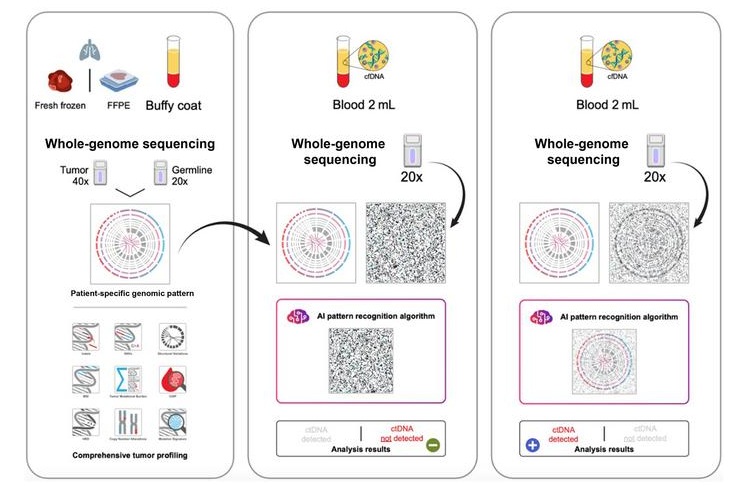
Vaginitis affects most women at least once in their lifetime and can cause painful, disruptive symptoms. Common causes include bacterial vaginosis, vulvovaginal candidiasis, and trichomoniasis, reflecting... Read more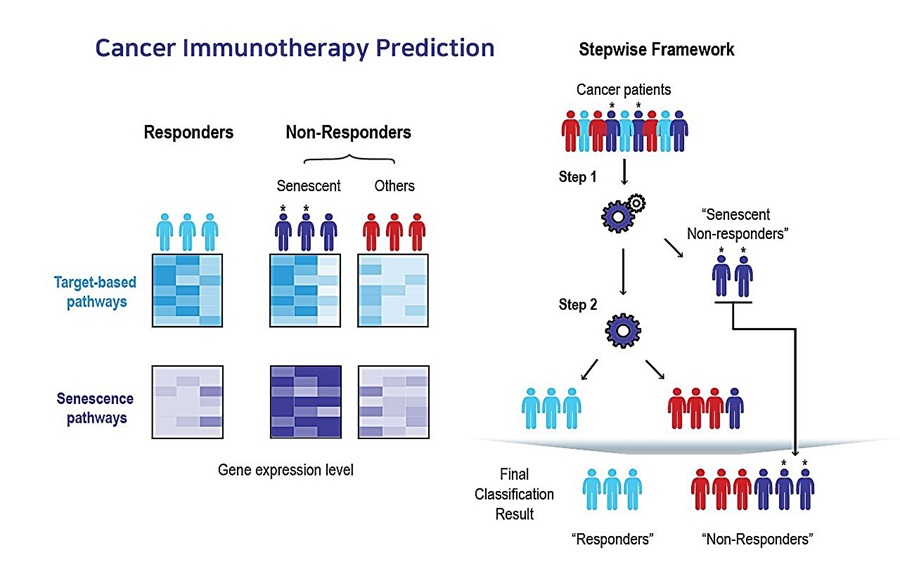
AI Tool Predicts Immunotherapy Response Using Tumor Senescence Signals
Patients receiving the same cancer immunotherapy can have markedly different outcomes, with some showing little or no response. Identifying these patients earlier could reduce the costs of ineffective... Read more
Hematology
view channel
New Myelofibrosis Guidelines Recommend Expanded Genetic Testing at Diagnosis
Myelofibrosis is a rare, life-threatening blood cancer affecting up to six per 100,000 people. The disease causes scarring in the bone marrow, limiting the production of healthy blood cells and potentially... Read more
Handheld Point-of-Care Test Aims to Enable Rapid Coagulation Assessment in Trauma
Severe blood loss and inadequate tissue oxygenation are leading causes of preventable death after traumatic injury. Blood products are essential in trauma care, but cold-chain storage, short shelf life,... Read more

Immunology
view channel
Antibody Profiling Predicts Inflammatory Bowel Disease Years Before Diagnosis
Inflammatory bowel disease (IBD), which includes Crohn’s disease and ulcerative colitis, involves abnormal immune responses that cause persistent inflammation and damage in the digestive system.... Read more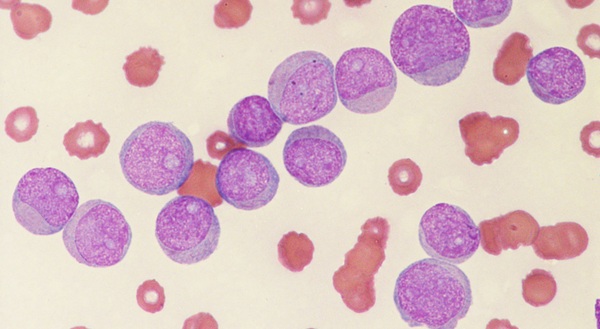
Immune Profiling Initiative Aims to Improve Bone Marrow Analysis in Leukemia
Acute myeloid leukemia (AML) is an aggressive blood cancer in which assessing disease burden after therapy can help guide clinical evaluation. Patients with measurable residual disease (MRD) after treatment... Read more
Immune Profiling Identifies Early Maternal Autoantibodies Linked to Preterm Birth Risk
A typical pregnancy lasts about 40 weeks, but labor begins prematurely in roughly one in 10 pregnancies. Preterm birth is the leading cause of newborn death worldwide, yet its underlying causes and which... Read more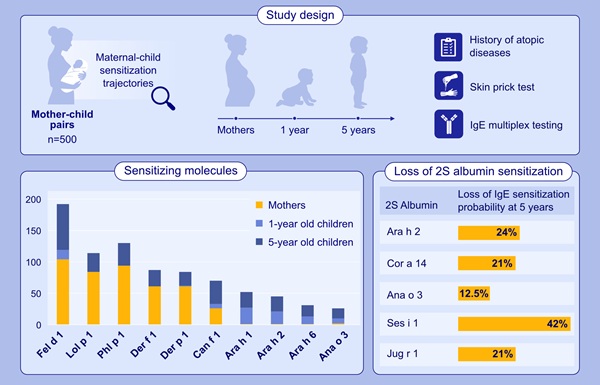
Longitudinal Blood Testing Reveals Changes in Allergen Sensitization During Childhood
Food allergy is a major childhood health concern, and distinguishing persistent risk from transient sensitization can guide clinical decisions. Specific IgE antibodies may be detectable even when a child... Read moreMicrobiology
view channel
Molecular Panel Gains WHO Emergency Use Listing to Support Ebola Outbreak Response
The ongoing Ebola Bundibugyo outbreak in the Democratic Republic of the Congo and neighboring countries has become one of the largest outbreaks of this Ebola virus species recorded to date.... Read more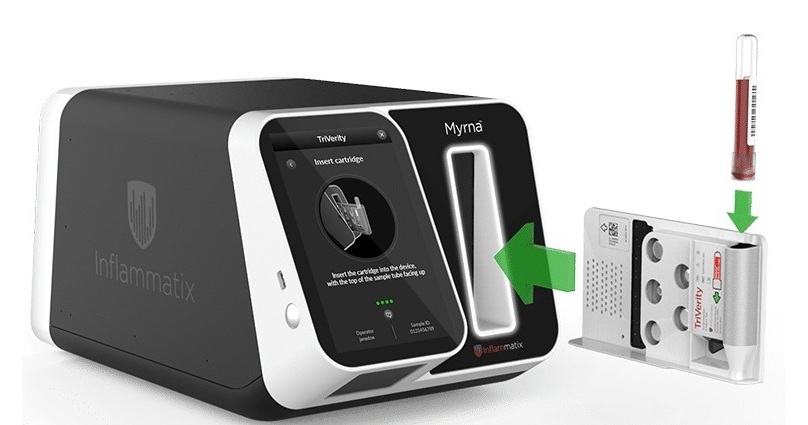
Rapid Host-Response Test Aims to Predict Corticosteroid Benefit in Sepsis
Sepsis and severe infections are difficult to treat because patients with similar clinical presentations may have very different underlying immune responses. Corticosteroids are commonly used in severe... Read more

Pathology
view channel
Digital Pathology Test Stratifies Recurrence Risk in Early Breast Cancer
In hormone receptor-positive, human epidermal growth factor receptor 2 (HER2)-negative early breast cancer, accurate recurrence-risk assessment helps guide treatment decisions. However, individual risks... Read more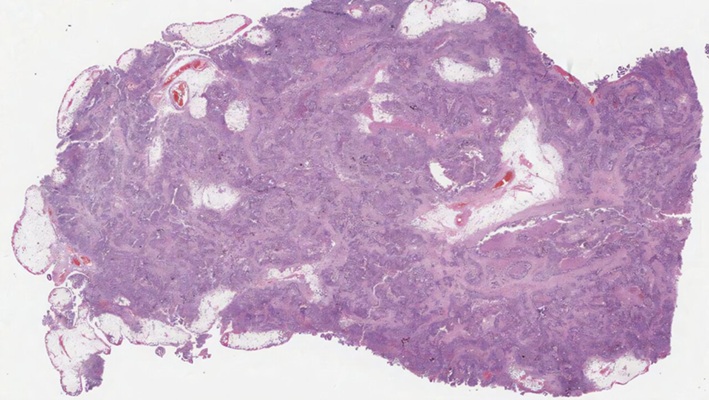
AI Pathology Tool Predicts DNA Repair Deficiency in High-Grade Serous Ovarian Cancer
High-grade serous tubo-ovarian carcinoma is an aggressive cancer arising in the ovaries or fallopian tubes. Some tumors exhibit homologous recombination deficiency (HRD), a feature reflecting impaired DNA repair.... Read more

Technology
view channel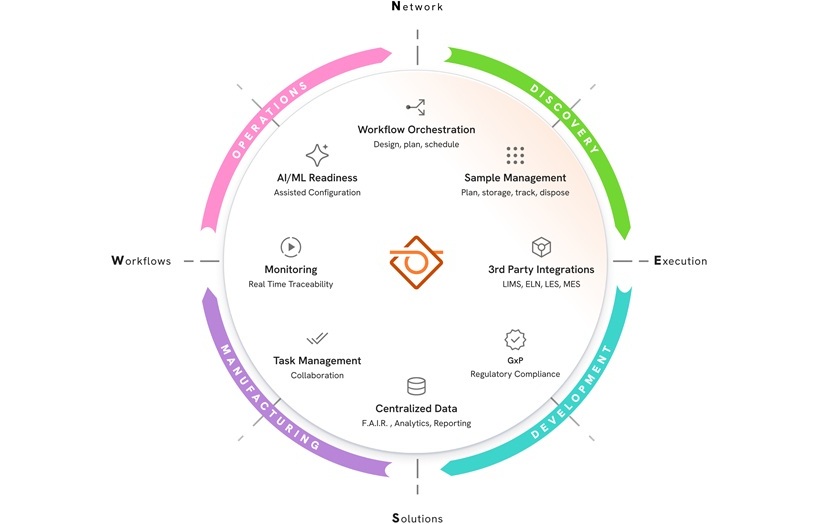
New AI-Powered System Aims to Streamline Laboratory and Manufacturing Workflows
Scientific laboratories supporting drug development, biotechnology, and materials research increasingly rely on coordinated digital workflows to move data, samples, and activities across teams.... Read more