Время ответной реакции С-пептида может объяснить колебание уровней HbA1c
|
By LabMedica International staff writers Posted on 25 Apr 2019 |


|
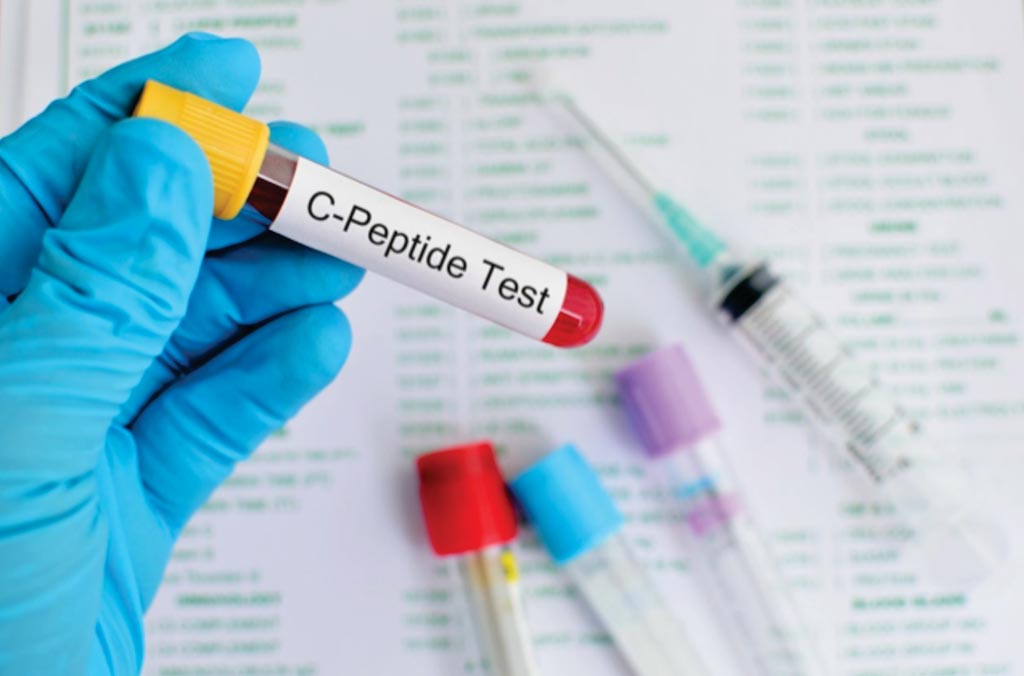
Ученые исследовали, может ли время реакции С-пептида в процессе прохождения перорального теста на толерантность к глюкозе объяснить колебание уровней HbA1c при диагностике диабета 1 типа (фото любезно предоставлено доктором медицины Амитом Акировым).
Учёт времени ответной реакции С-пептида может частично объяснить изменение уровня гликированного гемоглобина (HbA1c) при диагностике диабета 1 типа (T1D) во время перорального теста на определение толерантности к глюкозе (OGTT).
В предыдущих исследованиях сообщалось об изменениях реакции С-пептида при прогрессировании T1D, однако нет никаких данных относительно времени ответов С-пептида при диагностике и ассоциации с уровнями глюкозы. Цель нового исследования заключалась в изучении того, может ли время реакции С-пептида в процессе прохождения теста на толерантность к глюкозе объяснить колебание уровней HbA1c при диагностике диабета 1 типа.
Ученые из Медицинской школы Университета Индианы (Индианаполис, США) и их коллеги зарегистрировали 85 пациентов в возрасте меньше 18 лет на момент постановки диагноза (средний возраст 11,2 лет; 51% мальчиков) с полными данными OGTT и измерением HbA1c при диагностике. Были записаны пиковая концентрация С-пептида, площадь под фармакокинетической кривой и измерения относительного времени, включая ранний ответ С-пептида, поздний ответ С-пептида, соотношение показателей 120 минут/30-минут и время достижения пиковой концентрации.
Команда сообщила об обратной корреляции между HbA1c и показателями общей реакции С-пептида: площадью под кривой и пиковой концентрацией. Обратная корреляция соответствовала как ранним, так и поздним ответам С-пептида и 120/30-минутному соотношению показателей. У 27 пациентов с пиковым С-пептидом при ≤60 минут уровни HbA1c были выше по сравнению с 58 участниками с пиковым значением при >60 минут. Также была отмечена обратная корреляция между 2-часовыми уровнями глюкозы после OGTT с ранними и поздними ответами С-пептида.
На основании полученных результатов авторы пришли к выводу, что учёт времени при реагировании С‐пептида лучше объясняет изменение HbA1c при диагностике, чем только лишь стандартные меры. Исследование было опубликовано 20 марта 2019 года в журнале Pediatric Diabetes.
Ссылки по теме:
Indiana University School of Medicine





В предыдущих исследованиях сообщалось об изменениях реакции С-пептида при прогрессировании T1D, однако нет никаких данных относительно времени ответов С-пептида при диагностике и ассоциации с уровнями глюкозы. Цель нового исследования заключалась в изучении того, может ли время реакции С-пептида в процессе прохождения теста на толерантность к глюкозе объяснить колебание уровней HbA1c при диагностике диабета 1 типа.
Ученые из Медицинской школы Университета Индианы (Индианаполис, США) и их коллеги зарегистрировали 85 пациентов в возрасте меньше 18 лет на момент постановки диагноза (средний возраст 11,2 лет; 51% мальчиков) с полными данными OGTT и измерением HbA1c при диагностике. Были записаны пиковая концентрация С-пептида, площадь под фармакокинетической кривой и измерения относительного времени, включая ранний ответ С-пептида, поздний ответ С-пептида, соотношение показателей 120 минут/30-минут и время достижения пиковой концентрации.
Команда сообщила об обратной корреляции между HbA1c и показателями общей реакции С-пептида: площадью под кривой и пиковой концентрацией. Обратная корреляция соответствовала как ранним, так и поздним ответам С-пептида и 120/30-минутному соотношению показателей. У 27 пациентов с пиковым С-пептидом при ≤60 минут уровни HbA1c были выше по сравнению с 58 участниками с пиковым значением при >60 минут. Также была отмечена обратная корреляция между 2-часовыми уровнями глюкозы после OGTT с ранними и поздними ответами С-пептида.
На основании полученных результатов авторы пришли к выводу, что учёт времени при реагировании С‐пептида лучше объясняет изменение HbA1c при диагностике, чем только лишь стандартные меры. Исследование было опубликовано 20 марта 2019 года в журнале Pediatric Diabetes.
Ссылки по теме:
Indiana University School of Medicine

Platinum Member
Automated Coagulation Analyzer
Hemolumi H6
Gold Member
Nucleic Acid Extractor System
NEOS-96 XT
Hematology Consumables
Bioblood Devices
New
Nucleic Acid Purification Instrument
QIAsymphony Connect
Latest Химия News
Channels
Clinical Chemistry
view channel
Blood Biomarkers Help Assess Growth Risks During Steroid Treatment in Duchenne Muscular Dystrophy
Children with Duchenne muscular dystrophy (DMD) commonly receive long-term corticosteroids to slow disease progression, but these drugs can impair linear growth and weaken bone. Understanding how specific... Read more
New Blood Biomarker Predicts May Predict Preeclampsia and Fetal Growth Restriction
Preeclampsia and fetal growth restriction are major drivers of stillbirth and serious maternal morbidity, yet clinicians still lack reliable early predictors to guide targeted surveillance.... Read more

Molecular Diagnostics
view channel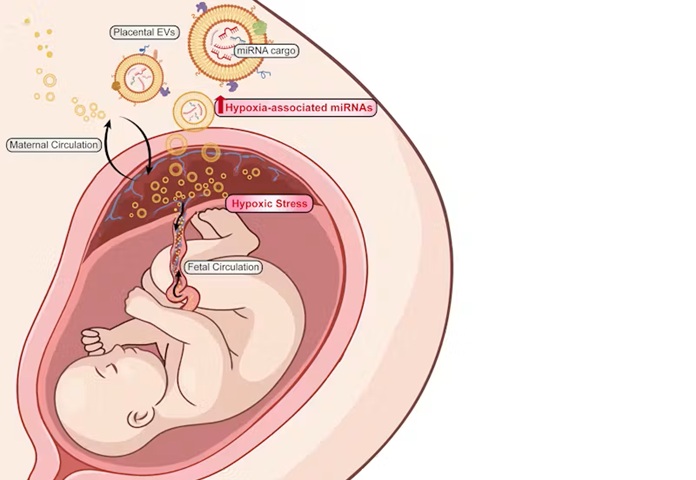
Project to Develop Maternal Blood Test for Rapid Fetal Oxygen Deprivation Detection
Intrapartum fetal hypoxia remains difficult to assess with existing monitoring, leaving clinicians to make time-critical decisions with incomplete data. Limited detection and interpretation can contribute... Read more
DPYD Genotyping Assay Supports Safer Fluoropyrimidine Chemotherapy Dosing
Fluoropyrimidine-based chemotherapy can lead to severe toxicity in patients with specific variants in the dihydropyrimidine dehydrogenase (DPYD) gene, making pre-treatment assessment a critical step in... Read more
Hematology
view channel
Borderline Anemia May Carry Higher Risk Than Current Thresholds Suggest
Hemoglobin concentration is among the most frequently ordered blood tests in primary and hospital care. In older adults, both high and low values have been linked to adverse outcomes, including cognitive... Read more
Biomarker-Guided Framework Aims to Guide Mantle Cell Lymphoma Therapy
Mantle cell lymphoma can follow widely variable courses, from indolent disease to rapidly progressive cancer, complicating initial treatment selection. Many therapeutic decisions still rely on patient... Read more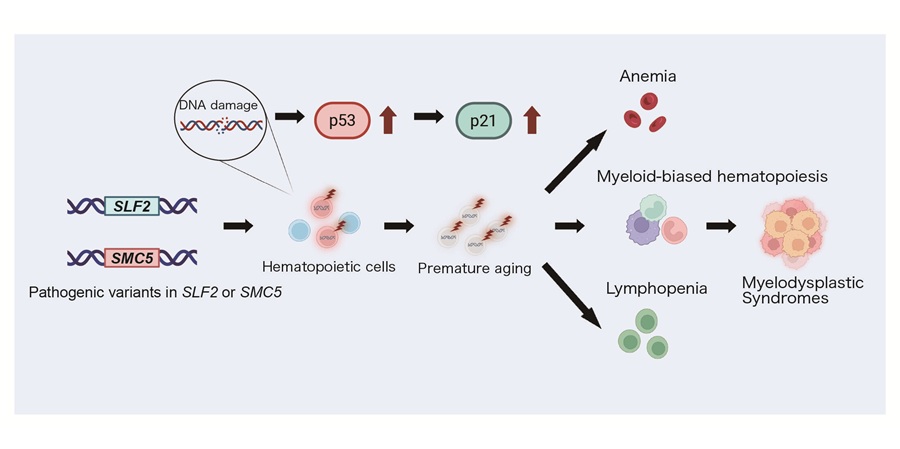
Immunology
view channel
New Cellular Map May Help Predict Crohn’s Disease Course in Children
Crohn’s disease in children is a common and debilitating form of inflammatory bowel disease, marked by chronic intestinal inflammation and limited pediatric-specific treatments. Clinicians must decide... Read more
Temporal Immune Profiling Reveals How Sepsis States Change Over Time
Sepsis is a life-threatening condition in which the immune response to infection becomes dysregulated, leading to rapid organ failure and death. Although antimicrobials and organ support remain standard... Read more
Study Identifies Immune Cells That Drive Harmful Autoantibody Responses in COVID-19
Autoantibodies that mistakenly attack the body’s own tissues have been linked to severe COVID-19, Long COVID, and increased risk of autoimmune disease. However, the origins of these autoantibodies during... Read more
Microbiology
view channel
Research Strengthens Bundibugyo Virus Outbreak Readiness with Faster Diagnostics
Bundibugyo virus (BDBV), a species of ebolavirus, causes severe hemorrhagic disease and can be difficult to diagnose rapidly during outbreaks. Recent regulatory changes have further complicated swift deployment... Read more
Gut Microbiome Classifier Improves Colorectal Cancer Risk Stratification
Colorectal cancer remains a leading cause of cancer mortality, and current noninvasive screening methods still miss many precancerous lesions. Clinicians therefore need tools that improve risk stratification... Read more

Pathology
view channel
FDA Clearance Expands Digital Pathology Options for Clinical Laboratories
Hamamatsu Photonics K.K. (Hamamatsu, Japan) announced it received 510(k) clearance from the U.S. Food and Drug Administration (FDA) for the NanoZoomer S20MD and NanoZoomer S540MD slide scanner systems.... Read more
Label-Free Imaging Reveals Hidden Immune Activity in Blood Samples
Peripheral blood mononuclear cells (PBMCs) are widely used to monitor infection, autoimmunity, cancer, and treatment response, yet most assays depend on fluorescent labels that can perturb cells and provide... Read more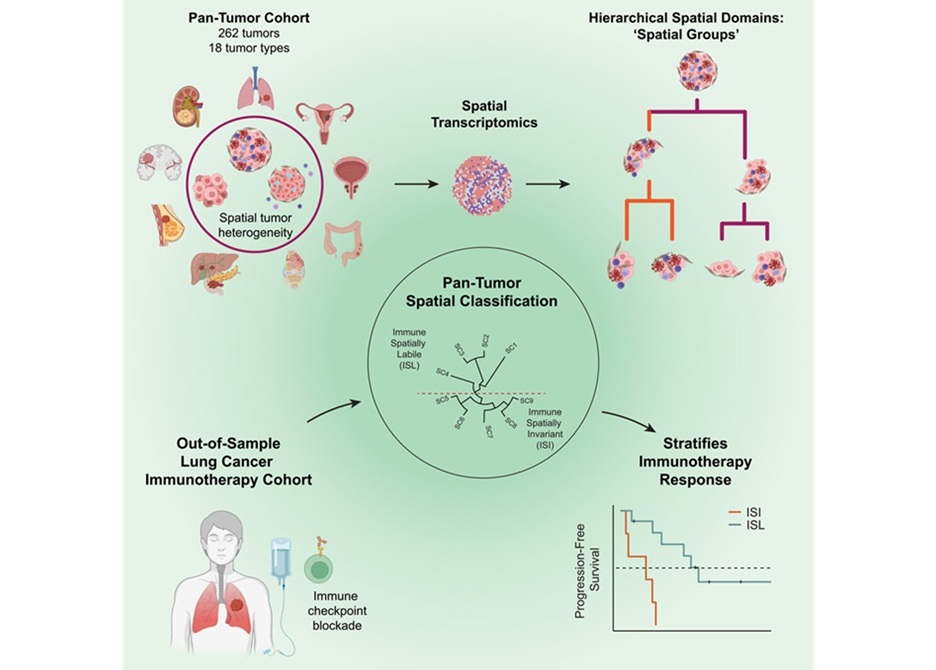

Technology
view channel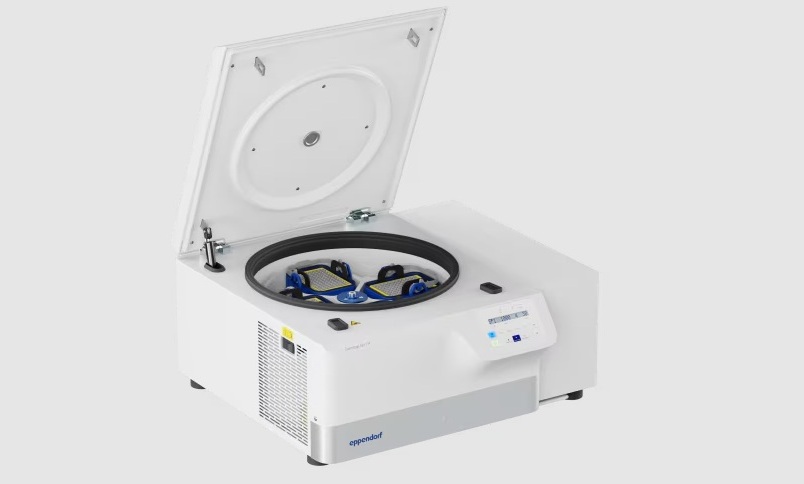
New Multipurpose Centrifuge Combines High Capacity with Sustainable Cooling
Laboratories often need centrifugation that accommodates multiple vessel formats while maintaining controlled temperatures to protect sensitive samples. Intuitive controls and repeatable operation can... Read more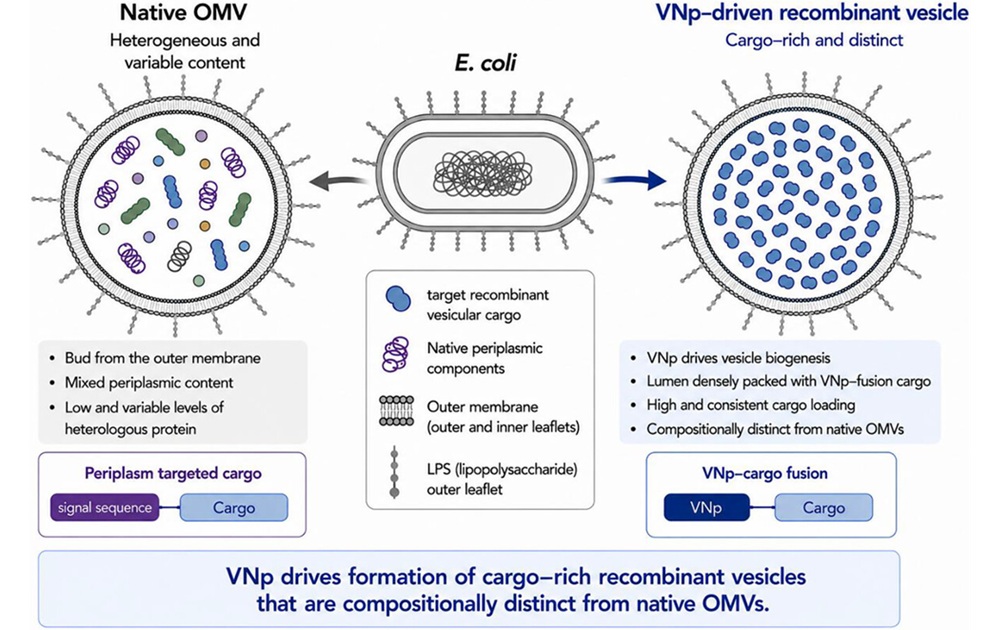
Bacterial Vesicle Expression System Streamlines Production of Cancer Diagnostic Proteins
Recombinant proteins are central to many cancer diagnostics and therapies, but numerous targets remain difficult and costly to produce because they are unstable, toxic to microbial hosts, or require precise folding.... Read more
Industry
view channel
New NHS Partnership Expands Access to Epigenetic CNS Tumor Classifiers
Rapid and accurate classification of central nervous system tumors remains a challenge, particularly in children where histology alone can misclassify aggressiveness and drive overtreatment.... Read more