Siemens Healthineers Showcases Latest Diagnostic Innovations
|
By LabMedica International staff writers Posted on 08 Feb 2017 |


|
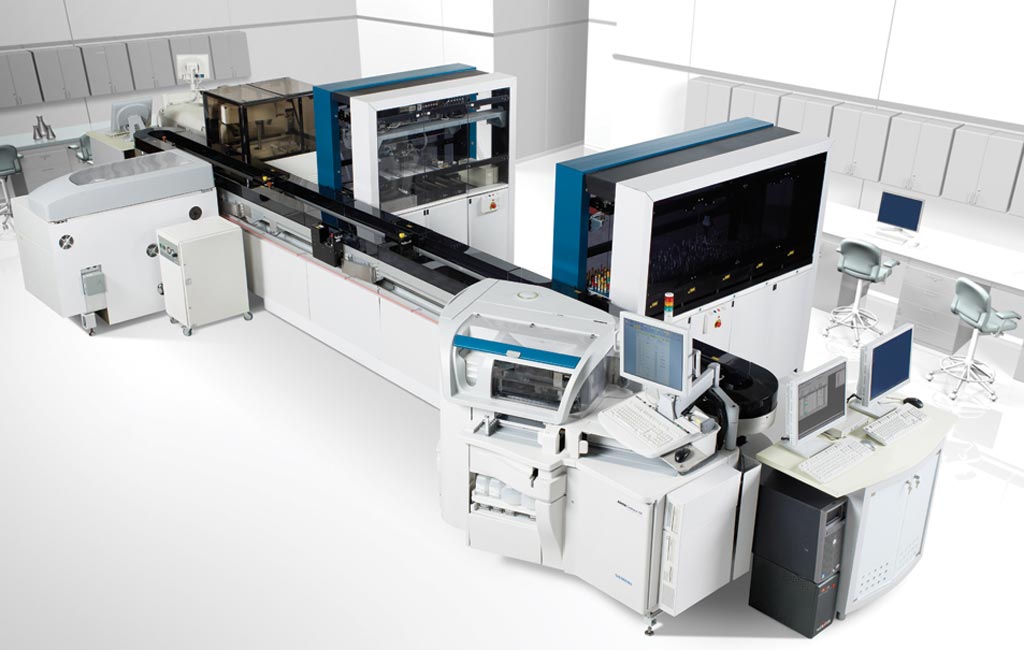
Image: The Aptio automation solution is designed to enhance lab productivity (Photo courtesy of Siemens Healthineers).
Siemens Healthineers demonstrated its latest diagnostic products and solutions at MEDLAB 2017 held in Dubai, UAE, from February 6-9, 2017.
Siemens offers a broad spectrum of immunoassay, chemistry, hematology, molecular, urinalysis, and blood gas testing systems, in conjunction with automation, informatics and services, for meeting the needs of laboratories of all sizes. At MEDLAB 2017, the company displayed its Aptio Automation solutions that advance productivity by allowing laboratories to accelerate sample processing, achieve consistent turnaround times, and proactively control their operations for better patient outcomes. Also on display was its ADVIA Chemistry XPT system, which has been engineered to consistently meet expanding chemistry workloads and enhance patient care, and ADVIA Centaur XPT immunoassay system, which enhances workflow to meet demands for reliable and rapid immunoassay testing.
Siemens also exhibited its ADVIA 2120i Hematology System with Autoslide, the Sysmex CS-5100 and CS-2500 hemostasis systems, the VERSANT kPCR molecular system with MiPLX software solution, and the RAPIDPoint 500 blood gas system. Other products on display at the event by Siemens included the Xprecia Stride coagulation analyzer, DCA Vantage HbA1c analyzer, and its CLINITEK range of urine chemistry analyzers.







Siemens offers a broad spectrum of immunoassay, chemistry, hematology, molecular, urinalysis, and blood gas testing systems, in conjunction with automation, informatics and services, for meeting the needs of laboratories of all sizes. At MEDLAB 2017, the company displayed its Aptio Automation solutions that advance productivity by allowing laboratories to accelerate sample processing, achieve consistent turnaround times, and proactively control their operations for better patient outcomes. Also on display was its ADVIA Chemistry XPT system, which has been engineered to consistently meet expanding chemistry workloads and enhance patient care, and ADVIA Centaur XPT immunoassay system, which enhances workflow to meet demands for reliable and rapid immunoassay testing.
Siemens also exhibited its ADVIA 2120i Hematology System with Autoslide, the Sysmex CS-5100 and CS-2500 hemostasis systems, the VERSANT kPCR molecular system with MiPLX software solution, and the RAPIDPoint 500 blood gas system. Other products on display at the event by Siemens included the Xprecia Stride coagulation analyzer, DCA Vantage HbA1c analyzer, and its CLINITEK range of urine chemistry analyzers.

Platinum Member
Automated Coagulation Analyzer
Hemolumi H6
New
Gold Member
Serum Indices Control
Acusera Serum Indices Control
Automated Clinical Chemistry Analyzer
Envoy 500+
All-in-One Molecular System
AIO M160
Latest MEDLAB 2017 News
- AXA Diagnostics Showcases SkyLAB752 ELISA Analyzer
- Norma Diagnostika Showcases Icon Hematology Analyzers at MEDLAB
- AITbiotech Exhibits abTES Molecular Diagnostics Assays at MEDLAB 2017
- Binding Site Unveils Optilite Protein System
- Das SRL Exhibits New Lab Solutions at MEDLAB 2017
- Priorclave Showcases Energy-Efficient Lab Autoclaves in Dubai
- Diatron Exhibits Abacus 5 and Aquila Hematology Analyzers
- DRG Group Presents New Analyzer and ELISAs at Dubai Lab Exhibition
- Beckman Coulter Exhibits New Lab Solutions in Dubai
Channels
Clinical Chemistry
view channel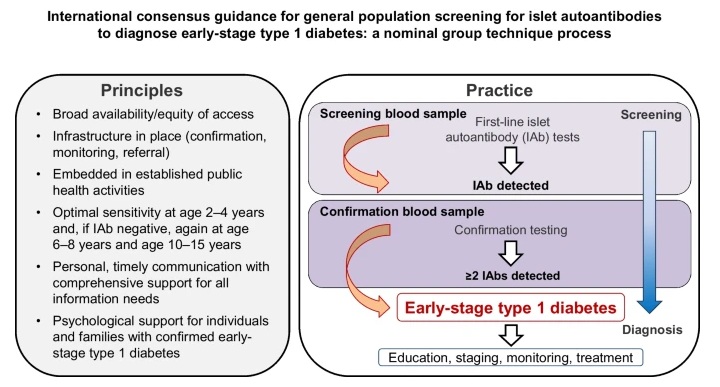
International Consensus Guidance Outlines General Population Screening for Early-Stage Type 1 Diabetes
Type 1 diabetes (T1D) is an autoimmune disease that can develop in childhood or adulthood and affects an estimated 9.5 million people worldwide. Its complications range from acute diabetic ketoacidosis... Read more
Algorithm Uses Blood Biomarkers to Improve Alzheimer’s Trial Screening
Alzheimer’s disease is a progressive neurodegenerative disorder that causes memory loss and functional decline. Screening cognitively healthy adults for prevention trials is slow and costly because many... Read more

Molecular Diagnostics
view channel
Combined Blood and Genetic Tests Estimate Timing of Alzheimer’s Symptom Onset
Predicting when Alzheimer’s disease will manifest remains a major clinical challenge, particularly before cognitive decline is evident. Blood biomarkers and genetic risk markers can flag elevated risk,... Read more
Blood Protein Analysis Helps Interpret Uncertain Rare Disease Variants
Many patients with suspected rare genetic conditions remain undiagnosed even after genome or exome sequencing, leaving clinicians with limited evidence to interpret uncertain variants. Variants of uncertain... Read more

Hematology
view channel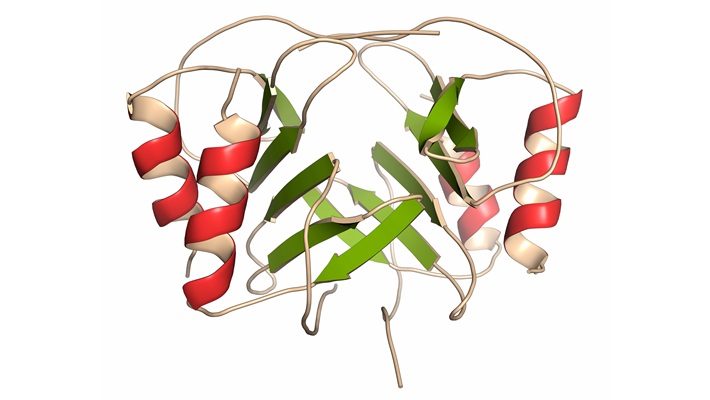
Hidden Molecular Mechanism Behind HIT Blood-Clotting Disorder Revealed
Immune-mediated thrombosis following heparin therapy can be sudden and severe, creating urgent diagnostic challenges. In heparin-induced thrombocytopenia (HIT), antibodies against platelet factor 4 (PF4)... Read more
Borderline Anemia May Carry Higher Risk Than Current Thresholds Suggest
Hemoglobin concentration is among the most frequently ordered blood tests in primary and hospital care. In older adults, both high and low values have been linked to adverse outcomes, including cognitive... Read more
Immunology
view channel
New Cellular Map May Help Predict Crohn’s Disease Course in Children
Crohn’s disease in children is a common and debilitating form of inflammatory bowel disease, marked by chronic intestinal inflammation and limited pediatric-specific treatments. Clinicians must decide... Read more
Temporal Immune Profiling Reveals How Sepsis States Change Over Time
Sepsis is a life-threatening condition in which the immune response to infection becomes dysregulated, leading to rapid organ failure and death. Although antimicrobials and organ support remain standard... Read more
Study Identifies Immune Cells That Drive Harmful Autoantibody Responses in COVID-19
Autoantibodies that mistakenly attack the body’s own tissues have been linked to severe COVID-19, Long COVID, and increased risk of autoimmune disease. However, the origins of these autoantibodies during... Read more
Microbiology
view channel
Diagnostic Stewardship Guide Targets Testing Overuse and Hospital Cost Pressures
Hospitals face persistent pressure to improve diagnostic accuracy while reducing unnecessary testing and costs. Misordered or overused assays can complicate infection metrics, trigger penalties, and strain... Read more
Research Strengthens Bundibugyo Virus Outbreak Readiness with Faster Diagnostics
Bundibugyo virus (BDBV), a species of ebolavirus, causes severe hemorrhagic disease and can be difficult to diagnose rapidly during outbreaks. Recent regulatory changes have further complicated swift deployment... Read more
Pathology
view channel
AI Spatial Analysis of Routine Slides Helps Predict Pancreatic Cancer Recurrence
Predicting which patients with pancreatic cancer will recur after treatment and surgery remains challenging. Pathology evaluation typically measures residual tumor burden, but recent work found that tumor... Read more
Hybrid Computational Imaging Method Improves Digital Pathology Resolution
Digital pathology depends on high-resolution whole-slide imaging to capture diagnostically relevant cellular and tissue features, yet conventional methods often force trade-offs between speed, cost, and detail.... Read more
Technology
view channel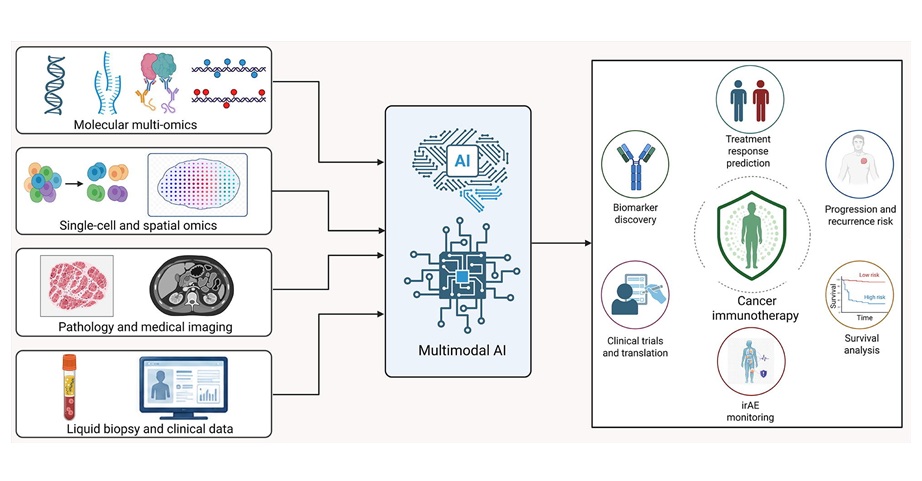
Multimodal AI Framework Aims to Guide Cancer Immunotherapy Decisions
Cancer immunotherapy has reshaped oncology, but heterogeneous responses and immune-related toxicities continue to complicate routine decision-making. Standard biomarkers, including programmed death-ligand... Read more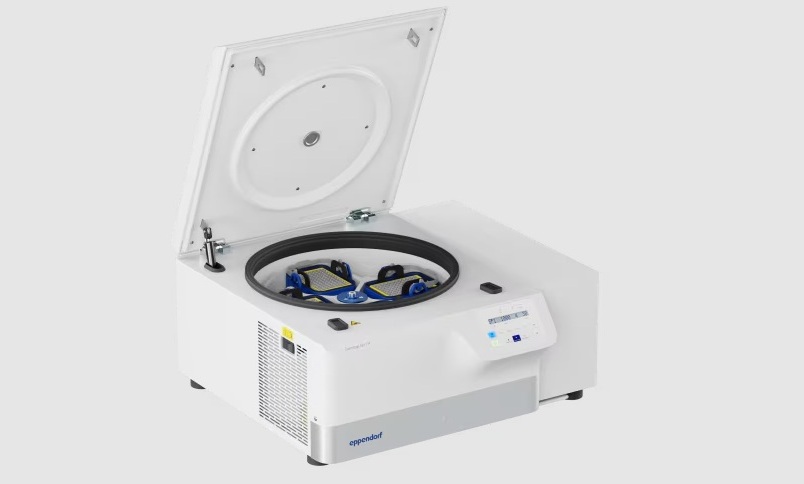
New Multipurpose Centrifuge Combines High Capacity with Sustainable Cooling
Laboratories often need centrifugation that accommodates multiple vessel formats while maintaining controlled temperatures to protect sensitive samples. Intuitive controls and repeatable operation can... Read more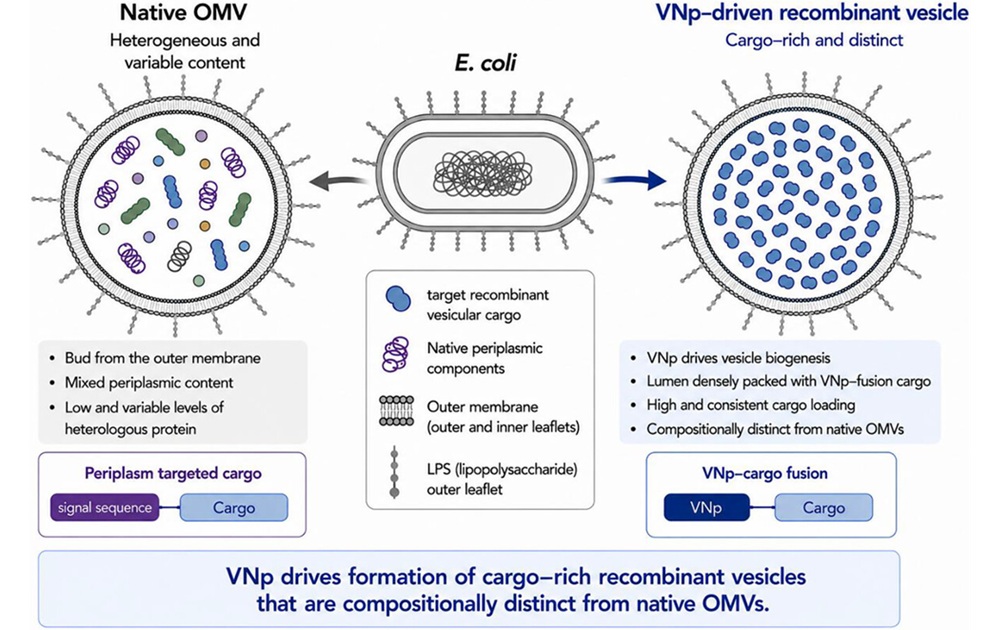
Bacterial Vesicle Expression System Streamlines Production of Cancer Diagnostic Proteins
Recombinant proteins are central to many cancer diagnostics and therapies, but numerous targets remain difficult and costly to produce because they are unstable, toxic to microbial hosts, or require precise folding.... Read more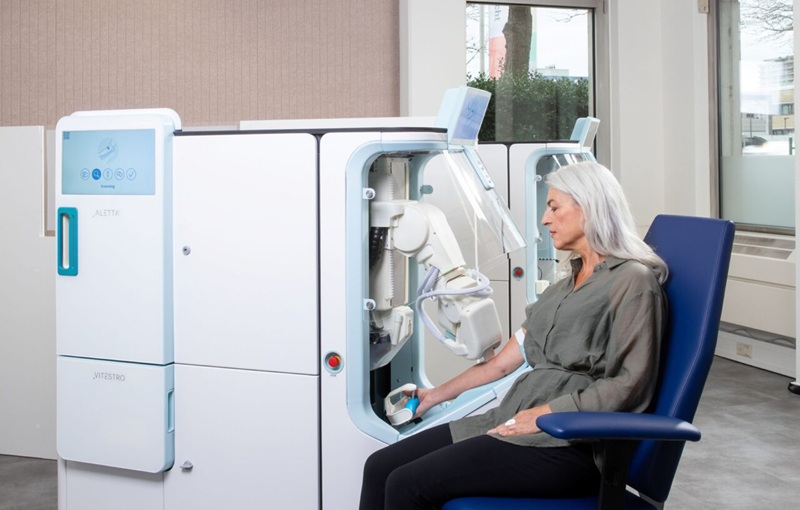
Industry
view channel.jpeg "Image Credit: Adobe Stock")
Sepsis Diagnostics Market Growth Fueled by Faster Pathogen Detection Needs
Sepsis diagnostics support early detection of bloodstream infections and sepsis by helping clinicians identify pathogens, assess disease severity, and guide antimicrobial therapy in emergency, ICU, inpatient,... Read more
Project Advances Single-Cell Diagnostic Test for Triple-Negative Breast Cancer
Triple-negative breast cancer (TNBC) accounts for 15% to 20% of breast cancers and is associated with high relapse rates, rapid progression, and limited treatment options. Clinicians still lack reliable... Read more
Sysmex and Cytek Collaboration Expands Access to Advanced Clinical Flow Cytometry
Sysmex Europe SE (Hamburg, Germany) and Cytek Biosciences (Fremont, CA, USA) are partnering across more than a dozen European countries to expand access to advanced clinical flow cytometry.... Read more