Longitudinal Cerebrospinal Fluid Biomarker Changes Predict Dementia
|
By LabMedica International staff writers Posted on 20 Jul 2015 |
Changes in key biomarkers of Alzheimer's disease (AD) during midlife as seen in brain scans and cerebrospinal fluid (CSF) of healthy adults may help identify those who will develop dementia years later.
The three CSF biomarker analytes that reflect and demonstrate excellent diagnostic and prognostic utility of the core neuropathologies in AD, are β-amyloid 42 (Aβ42), the primary constituent of amyloid plaques, total tau ,a marker of neuronal injury and/or death, and hyperphosphorylated tau (P-tau) which forms intraneuronal neurofibrillary tangles. Other recently identified biomarkers, include visinin-like protein 1 (VILIP-1) and chitinase-3-like protein 1 (YKL-40).
Scientists at Washington University School of Medicine (St. Louis, MO, USA) and their colleagues enrolled over a ten year period 169 cognitively normal participants ages 45 to 75 when they entered the study. DNA was extracted from peripheral blood samples and genotyping of Apolipoprotein E (APOE) was performed. A sample of CSF (20–30 mL) was collected by routine lumbar puncture at 8 AM after overnight fasting. Samples were processed into 500 μL aliquots and immediately frozen at -80 °C.
The CSF samples were analyzed for Aβ and tau proteins using single-analyte enzyme-linked immunosorbent assays (ELISAs). Samples were analyzed for Aβ1-40 (Aβ40), Aβ1-42 (Aβ42), total tau, and tau phosphorylated at threonine 181 (P-tau181) using the Improved INNOTEST ELISA (Fujirebio Europe; Gent, Belgium). In parallel, Aβ40, Aβ42, and total tau were measured at the same time from the same sample aliquot using a set of second-generation precision-based and accuracy-based EUROIMMUN ELISAs (EUROIMMUN; Luebeck, Germany).
The scientists found that drops in amyloid beta 42 levels in the cerebrospinal fluid among cognitively normal participants ages 45 to 54 are linked to the appearance of plaques in brain scans years later. They also found that tau and other biomarkers of brain-cell injury increase sharply in some individuals as they reach their mid-50s to mid-70s, and YKL-40 rises throughout the age groups focused on in the study. All of these changes were more pronounced in participants who carried a form of a gene that significantly increases the risk of Alzheimer's disease. The gene is known as APOE, and scientists have known that people with two copies of a particular version of this gene have up to 10 times the risk of developing Alzheimer's as those with other versions of the gene.
Anne Fagan, PhD, a professor of neurology and senior author said, “It's too early to use these biomarkers to definitively predict whether individual patients will develop Alzheimer's disease, but we're working toward that goal. One day, we hope to use such measures to identify and treat people years before memory loss and other cognitive problems become apparent. Alzheimer's is a long-term process, and that means we have to observe people for a long time to catch glimpses of it in action.” The study was published on July 6, 2015, in the journal JAMA Neurology.
Related Links:
Washington University School of Medicine
Fujirebio Europe
EUROIMMUN

The three CSF biomarker analytes that reflect and demonstrate excellent diagnostic and prognostic utility of the core neuropathologies in AD, are β-amyloid 42 (Aβ42), the primary constituent of amyloid plaques, total tau ,a marker of neuronal injury and/or death, and hyperphosphorylated tau (P-tau) which forms intraneuronal neurofibrillary tangles. Other recently identified biomarkers, include visinin-like protein 1 (VILIP-1) and chitinase-3-like protein 1 (YKL-40).
Scientists at Washington University School of Medicine (St. Louis, MO, USA) and their colleagues enrolled over a ten year period 169 cognitively normal participants ages 45 to 75 when they entered the study. DNA was extracted from peripheral blood samples and genotyping of Apolipoprotein E (APOE) was performed. A sample of CSF (20–30 mL) was collected by routine lumbar puncture at 8 AM after overnight fasting. Samples were processed into 500 μL aliquots and immediately frozen at -80 °C.
The CSF samples were analyzed for Aβ and tau proteins using single-analyte enzyme-linked immunosorbent assays (ELISAs). Samples were analyzed for Aβ1-40 (Aβ40), Aβ1-42 (Aβ42), total tau, and tau phosphorylated at threonine 181 (P-tau181) using the Improved INNOTEST ELISA (Fujirebio Europe; Gent, Belgium). In parallel, Aβ40, Aβ42, and total tau were measured at the same time from the same sample aliquot using a set of second-generation precision-based and accuracy-based EUROIMMUN ELISAs (EUROIMMUN; Luebeck, Germany).
The scientists found that drops in amyloid beta 42 levels in the cerebrospinal fluid among cognitively normal participants ages 45 to 54 are linked to the appearance of plaques in brain scans years later. They also found that tau and other biomarkers of brain-cell injury increase sharply in some individuals as they reach their mid-50s to mid-70s, and YKL-40 rises throughout the age groups focused on in the study. All of these changes were more pronounced in participants who carried a form of a gene that significantly increases the risk of Alzheimer's disease. The gene is known as APOE, and scientists have known that people with two copies of a particular version of this gene have up to 10 times the risk of developing Alzheimer's as those with other versions of the gene.
Anne Fagan, PhD, a professor of neurology and senior author said, “It's too early to use these biomarkers to definitively predict whether individual patients will develop Alzheimer's disease, but we're working toward that goal. One day, we hope to use such measures to identify and treat people years before memory loss and other cognitive problems become apparent. Alzheimer's is a long-term process, and that means we have to observe people for a long time to catch glimpses of it in action.” The study was published on July 6, 2015, in the journal JAMA Neurology.
Related Links:
Washington University School of Medicine
Fujirebio Europe
EUROIMMUN
Read the full article by registering today, it's FREE!
Register now for FREE to LabMedica.com and get access to news and events that shape the world of Clinical Laboratory Medicine.
- Free digital version edition of LabMedica International sent by email on regular basis
- Free print version of LabMedica International magazine (available only outside USA and Canada).
- Free and unlimited access to back issues of LabMedica International in digital format
- Free LabMedica International Newsletter sent every week containing the latest news
- Free breaking news sent via email
- Free access to Events Calendar
- Free access to LinkXpress new product services
- REGISTRATION IS FREE AND EASY!
Sign in: Registered website members
Sign in: Registered magazine subscribers
Latest Immunology News
- Exhaled Breath Particles Reveal Virus-Specific Antibodies in the Lower Airways
- Roche Gains FDA Clearance for Flexible Respiratory Pathogen Panel
- Tumor and Immune Biomarkers Linked to Treatment Response in T-Cell Lymphoma
- Prototype Point-of-Care Lateral Flow Test Aims to Improve Neonatal Sepsis Triage
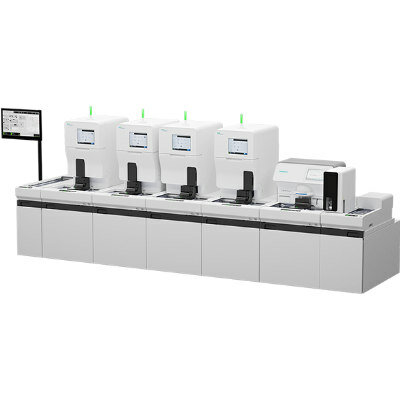
- Compact Immunoanalyzer Gains CE Mark for Testing Across Local Care Settings
- COVID-19 and Flu Combo Test Launches With FDA Clearance
- Immune and Inflammatory Markers May Help Assess CAR T-Cell Complication Risk
- Antibody Profiling Predicts Inflammatory Bowel Disease Years Before Diagnosis
- Immune Profiling Identifies Early Maternal Autoantibodies Linked to Preterm Birth Risk
- Longitudinal Blood Testing Reveals Changes in Allergen Sensitization During Childhood
- Immune Profiling Initiative Aims to Improve Bone Marrow Analysis in Leukemia
- FDA Approval Adds Automated Testing Option for Parvovirus B19 Serology
- Blood-Based Immune Aging Map Could Help Spot Disease Risk Earlier
- Blood-Based Immune Signal Could Reveal Lung Cancer Risk Before Tumors Develop
- Prototype Point-of-Care Test Aims to Improve Neonatal Sepsis Diagnosis
- Single-Tier Lyme Disease Test Shows High Sensitivity in Early Infection
Channels
Clinical Chemistry
view channel
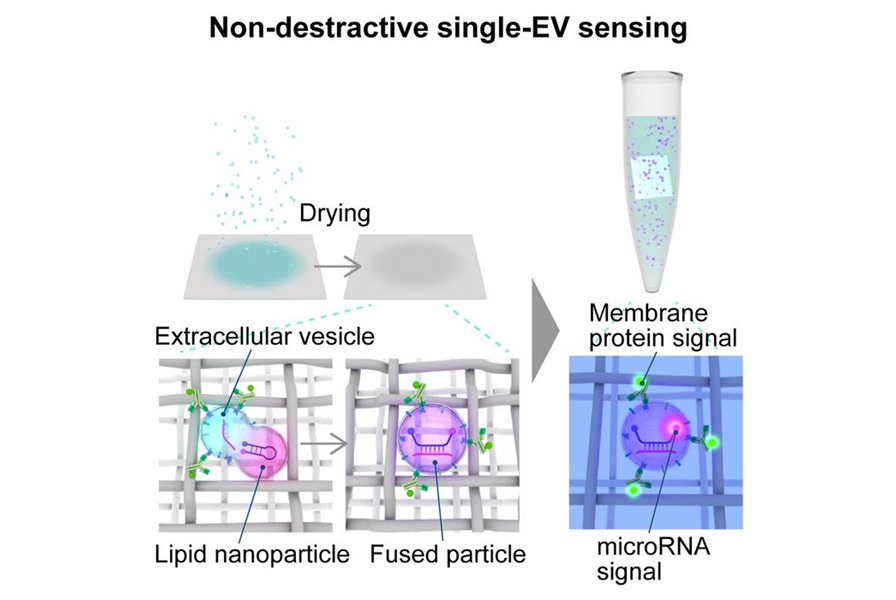
Single-Vesicle Analysis Reveals Tissue-Associated Inflammatory Signatures
Chronic inflammation can persist for months or years when immune cells continue attacking tissues despite the absence of an active threat. It is associated with cancers, brain disorders, autoimmune diseases,... Read more
Plasma Proteomic Test Detects Immunotherapy Resistance Before Imaging in Lung Cancer
In advanced non-small cell lung cancer, monitoring response to immune checkpoint inhibitor therapy can be difficult when resistance develops before progression appears on imaging. Radiologic assessment... Read moreMolecular Diagnostics
view channel
Comprehensive Tumor Profiling Uncovers Overlooked Hereditary Cancer Risk Genes
Patients with solid tumors often undergo molecular profiling to identify alterations that can guide therapy. This testing may also reveal constitutional cancer-predisposing DNA variants, which are present... Read more
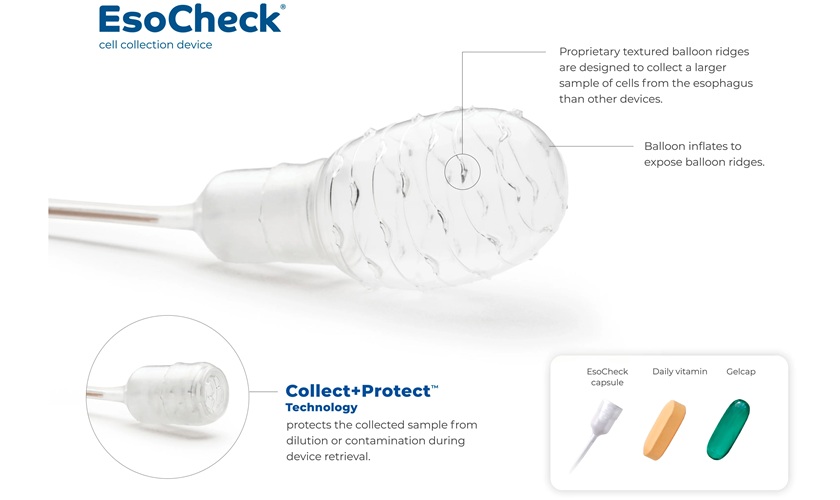
Nonendoscopic Methylation Assay Enables Rapid Barrett’s Esophagus Screening
Millions of patients with gastroesophageal reflux disease (GERD), also known as chronic heartburn, are at risk of developing esophageal precancer and cancer. Nonendoscopic sample collection may support... Read moreHematology
view channel
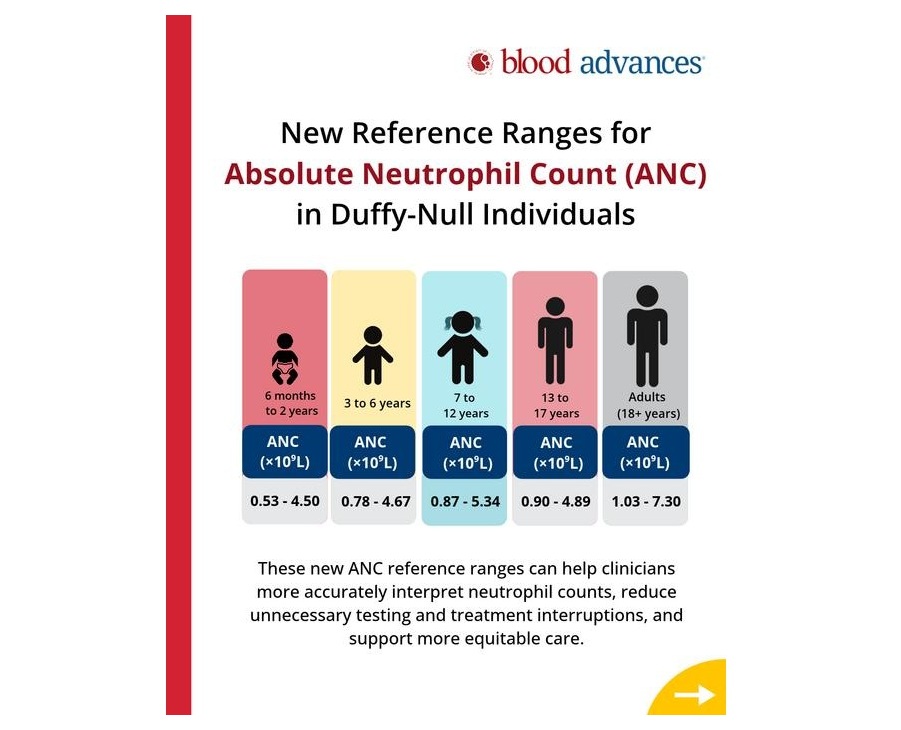
New Reference Ranges Clarify Normal Neutrophil Counts in Duffy-Null Patients
Duffy-null status is a common genetic trait associated with naturally lower circulating white blood cell counts. It affects about 10% of the U.S. population and more than 66% of people with African or... Read more
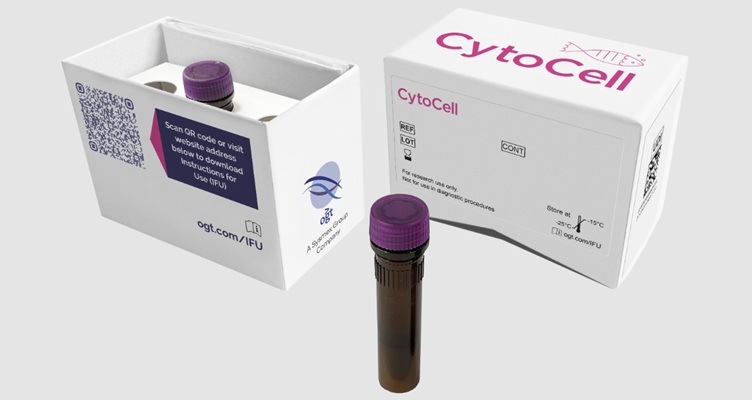
Newly Certified FISH Probes Support Cytogenetic Testing in Blood Cancers
Hematological malignancies such as non-Hodgkin lymphoma, acute lymphoblastic leukemia, chronic lymphoid leukemia, and multiple myeloma require assessment of key cytogenetic abnormalities.... Read more
Genetic Testing Offers Opportunities for Earlier Blood Disorder Carrier Identification
Inherited hemoglobin disorders can affect oxygen transport, yet individuals who carry only a trait may remain unaware of their status. People with sickle cell trait or beta-thalassemia trait often have... Read more
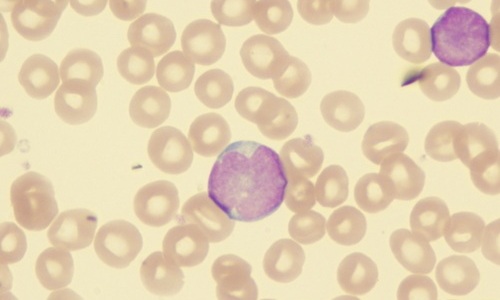
New Risk-Stratification Tool Predicts Relapse After Blinatumomab in Childhood ALL
Acute lymphoblastic leukemia in children and young people requires careful assessment of relapse risk, particularly as treatment approaches move beyond standard chemotherapy. Traditional relapse predictors... Read moreMicrobiology
view channel
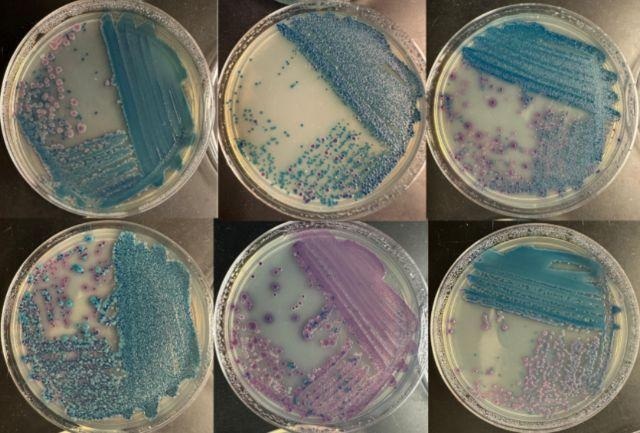
Stool Testing Predicts UTI Risk and Guides Antibiotic Selection
Urinary tract infections (UTIs) are a common reason for antibiotic prescribing in general medical practice and can be painful in postmenopausal women, sometimes progressing to kidney infection or life-threatening... Read more
Rapid Host-Response Assay Gains FDA Clearance to Help Distinguish Bacterial and Viral Infections
Bacterial and viral infections often cause similar symptoms, making early differentiation difficult in emergency and urgent care settings. Clinicians may need to begin treatment before traditional diagnostic... Read more
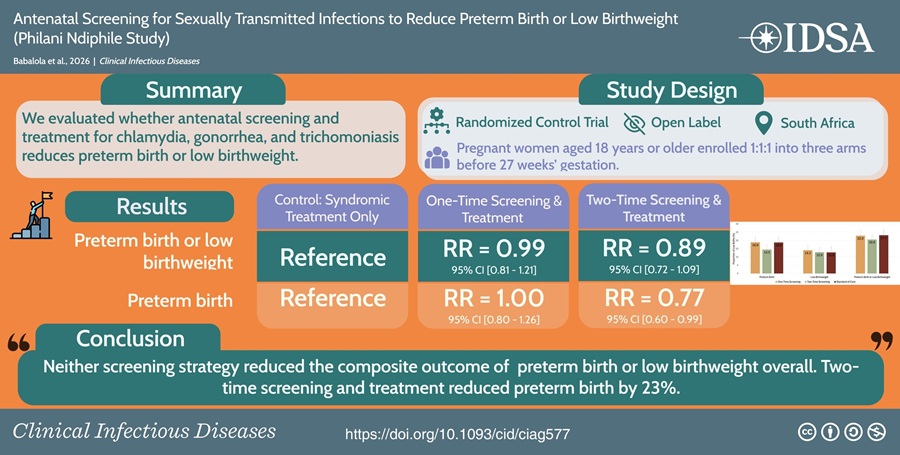
Repeat Prenatal STI Screening and Treatment May Reduce Preterm Births
Preterm birth remains a major obstetric concern and is associated with serious complications in early childhood. Common sexually transmitted infections during pregnancy often cause no symptoms, making... Read more
Decentralized Laboratory Network Improves Detection of Viral Hemorrhagic Fevers in Guinea
Viral hemorrhagic fevers remain a major diagnostic challenge in West Africa because their early symptoms can resemble those of other febrile illnesses. The 2014–2016 Ebola epidemic underscored the need... Read morePathology
view channel
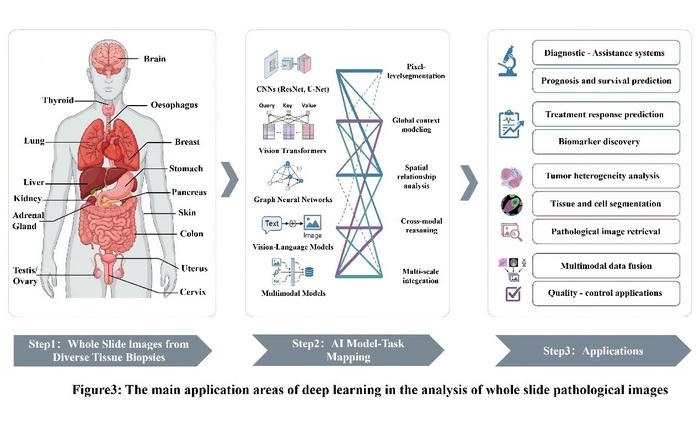
Review Highlights Progress and Validation Needs for AI in Digital Pathology
Pathology remains the gold standard for disease diagnosis, but clinical laboratories face growing demands for faster, more reproducible diagnostic and prognostic workflows. Digital pathology based on whole-slide... Read more
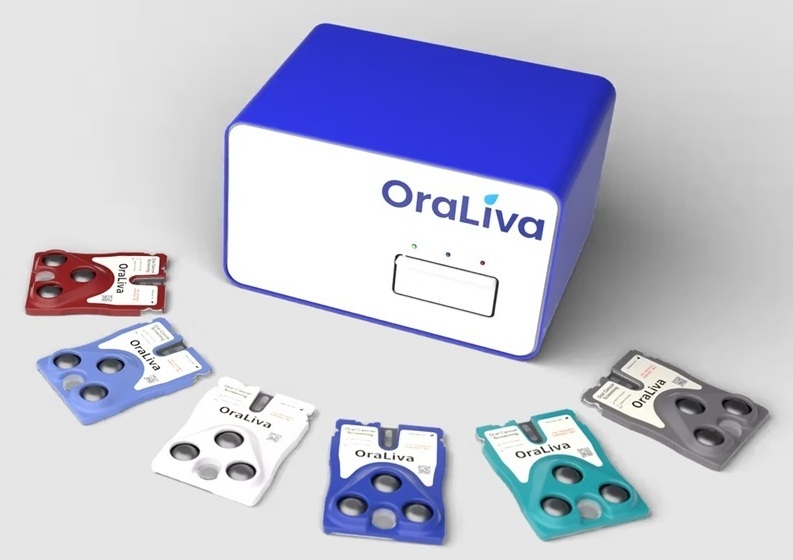
Breakthrough-Designated Cytology Test Supports Oral Cancer Risk Assessment
Oral cavity and oropharyngeal cancers remain a significant diagnostic challenge, with more than 60,000 Americans expected to be diagnosed in 2026 and more than 13,000 expected to die from these cancers.... Read more
AI Pathology Approach Closely Aligns With Breast Cancer Genomic Risk Classification
In early-stage breast cancer, precision oncology relies on biological information to guide personalized treatment decisions. Because access to tissue-based genomic testing may be limited, there is growing... Read moreTechnology
view channel
New qPCR Master Mixes Offer Broad Compatibility for Routine Research
Quantitative PCR (qPCR) workflows require consistent reagent performance across instruments and assay formats. Laboratories must also manage costs without changing established protocols.... Read more
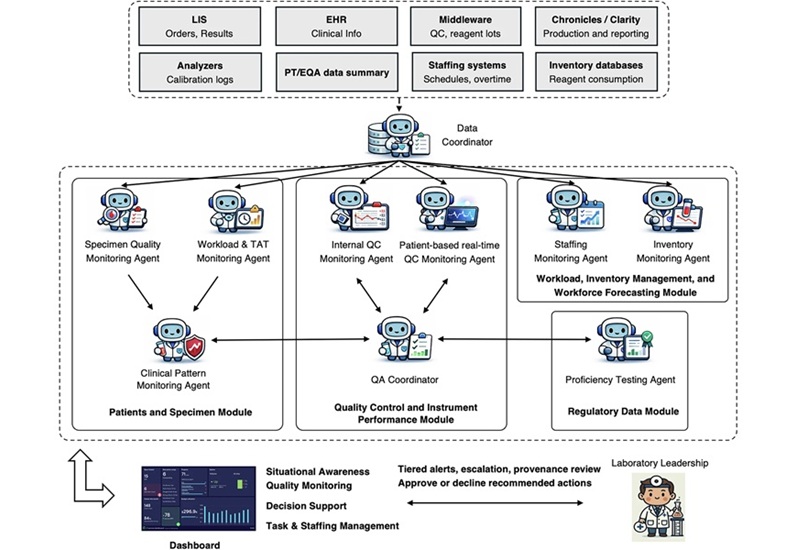
Multi-Agent AI Framework Supports Laboratory Quality and Workflow Monitoring
Clinical laboratories analyze blood, urine, tissue, and other bodily fluids to support disease diagnosis and treatment. Rising test volumes, workforce shortages, and increasingly complex diagnostics are... Read moreIndustry
view channel
Siemens Healthineers Begins Transition Toward Standalone Olyrian Diagnostics Business
Siemens Healthineers has begun carving out its in vitro diagnostics business, which will operate as Olyrian Diagnostics. The new name will be introduced in stages as the business prepares to become a standalone... Read more
Agilent Completes Acquisition of Digital Pathology Platform Developer Proscia
Agilent Technologies has completed its acquisition of Proscia, a provider of digital pathology software for clinical and life sciences applications. The transaction involved a cash payment of USD 240 million... Read more
New Diagnostics Company Onvaro Formed to Expand Decentralized Testing
Sapphiros, a diagnostics platform backed by investment funds managed by KKR, and binx health, a point-of-care diagnostics company backed by Hildred, have combined to form Onvaro. The new diagnostics company... Read more