Stool Testing Predicts UTI Risk and Guides Antibiotic Selection
Posted on 04 Nov 2026
Urinary tract infections (UTIs) are a common reason for antibiotic prescribing in general medical practice and can be painful in postmenopausal women, sometimes progressing to kidney infection or life-threatening sepsis. Although urine culture identifies causative bacteria and antibiotic susceptibility, results may take days, requiring treatment decisions before findings are available.
To inform these decisions earlier, new research suggests that profiling gut Escherichia coli (E. coli) could help predict future UTI risk and antibiotic susceptibility months in advance.
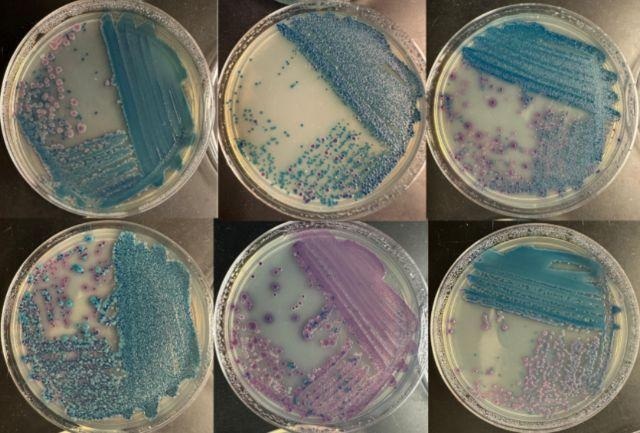
Researchers in the Department of Microbiology at the UW School of Medicine (Seattle, WA, USA) evaluated whether fecal testing could support a more effective approach to controlling UTIs. The method profiles E. coli bacteria in stool samples, including strain identity and antibiotic resistance patterns. The researchers examined whether this gut bacterial profile could predict both future infection risk and which antibiotics would be effective if a UTI occurred.
The study included stool samples from 1,804 women aged 50 and older in the Seattle area. Participants had not had a UTI or received antibiotics for any reason in more than one year. They were then tracked for 18 months to determine whether a UTI developed.
Most participants, 90.8%, carried E. coli in their guts, and 37.5% carried strains resistant to one or more of three widely used antibiotics: trimethoprim/sulfamethoxazole, ciprofloxacin, and third-generation cephalosporins. Among women carrying gut E. coli, 10.9% developed UTIs, compared with 3.3% of those without E. coli detected in fecal samples. The highest UTI occurrence, 37.8%, was observed among women aged 70 and older who initially tested positive for ST131-H30.
The fecal antibiotic susceptibility results closely matched later urine infection samples when UTIs occurred. Fecal testing was 95% to 100% accurate in predicting which antibiotics would work during a subsequent UTI. The findings are published in Communications Medicine, with collaborating institutions including the UW School of Medicine and Kaiser Permanente.
“The project results point out that the solution to reducing the impact of rising antibiotic resistance should focus not only on rapid diagnostics and the development of new antibiotics. To be most effective, the solution should also address the circulation of resistant bacteria in the community and the decolonization of opportunistic bacteria living in individuals at risk for multidrug-resistant infections, well before the infections happen,” said Dr. Evgeni V. Sokurenko, professor of microbiology at the University of Washington School of Medicine.
Related Links
UW School of Medicine