Immunoassay Identifies Subtypes of Cancer
By LabMedica International staff writers
Posted on 12 Jun 2012
A monoclonal antibody has been developed for the measurement of met protooncogene, (MET) expression in formalin fixed paraffin embedded (FFPE) tissues. Posted on 12 Jun 2012
The MET4 antibody works exceptionally well with tumors expressing the human hepatocyte growth factor receptor MET oncogene and biopsies using routine immunohistochemical procedures.
The Van Andel Research Institute (VARI; Grand Rapids, MI, USA) and Dako (Glostrup, Denmark), a worldwide supplier of cancer diagnostic tools, have announced an agreement to license, manufacture and distribute cancer diagnostics utilizing the MET4 antibody. The antibody shows accurate detection and quantification, high specificity and consistency, gives robust staining with reduced background. It can detect MET in a wide variety of solid tumors and can detect and facilitate prognosis of the malignancy.
Inappropriate MET activity and signaling occur in human tumors, which can affect the growth of cancer cells. In the past several years, many drugs targeting the hepatocyte growth factor/scatter factor (HGF/SF)-MET pathway have been developed. These include antibodies against HGF/SF, and MET and small-molecule inhibitors of MET activity. Studies currently underway link MET to more than 30 different types of cancer.
Diagnostic tools with the MET4 Antibody will be developed and manufactured by Dako for clinically relevant diagnostic indications and commercialized worldwide. Dako also holds the right to develop MET4 companion diagnostic assays for the pharmDxTM assays in collaboration with pharmaceutical companies to identify cancer patients who may benefit from MET-targeted therapies.
George F. Vande Woude, PhD, a Distinguished Scientific Fellow at VARI, said, "In normal tissue, the MET gene is involved in wound healing and liver repair, but when it is “inappropriately expressed,” it can contribute to the growth of cancer. Studies have shown that targeting MET signaling can have potent antitumor effects, and it is therefore important to identify patient subgroups most likely to benefit from MET-targeted therapies.”
Related Links:
Van Andel Research Institute
Dako




Platinum Member

Automated Coagulation Analyzer
Hemolumi H6
Gold Member

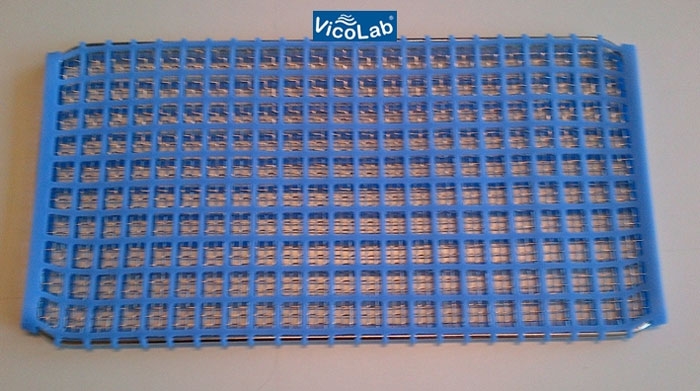
NEW PRODUCT : SILICONE WASHING MACHINE TRAY COVER WITH VICOLAB SILICONE NET VICOLAB®
REGISTRED 682.9
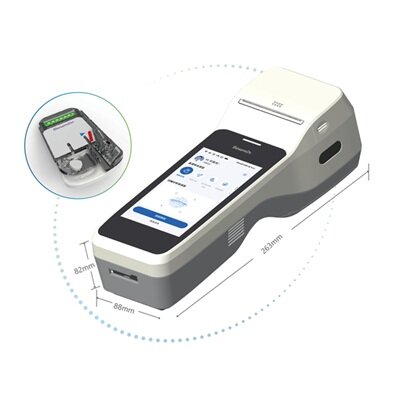

Portable POCT Blood Gas Analyzer
BD100

Electrolyte Analyzer
BKE-B