Blood MRD Testing Aids Risk Analysis in Bladder and Other Cancers
Posted on 30 Oct 2026
Natera (Austin, TX, USA) presented findings from 25 abstracts, including nine oral presentations, at the ESMO Congress 2026 in Madrid. The research examined circulating tumor DNA (ctDNA) testing for molecular residual disease (MRD), treatment response, and recurrence risk across several cancer types. Two studies were also published in *Nature Medicine* and *ESMO Open*.
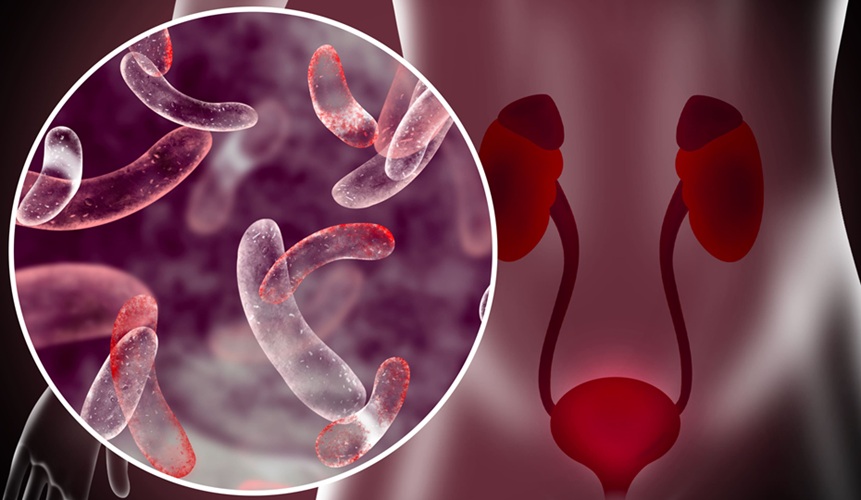
Results from the Phase III VOLGA trial evaluated ctDNA monitoring with Signatera Genome in patients with muscle-invasive bladder cancer receiving perioperative immunotherapy. The analysis examined whether changes in ctDNA status before radical cystectomy were associated with event-free survival, providing evidence for the potential use of MRD testing in preoperative risk assessment.

At 24 months, event-free survival was 91% among patients who remained Signatera-negative, compared with 81% among those who initially tested positive but cleared ctDNA before surgery. Patients who remained ctDNA-positive had a 55% event-free survival rate. The findings linked ctDNA clearance and sustained negativity with more favorable outcomes.
Signatera has also been evaluated in seven Phase III bladder cancer trials involving adjuvant immunotherapy, chemo-immunotherapy, and enfortumab vedotin-based perioperative regimens. Across these studies, patients who remained MRD-negative consistently had favorable outcomes, adding to evidence that ctDNA status may help refine risk assessment and treatment decisions.
In the MDT-Bridge study of resectable stage IIB–IIIB non-small cell lung cancer, the Clarity MRD assay detected ctDNA in 99% of patients before treatment. ctDNA clearance after two cycles of neoadjuvant therapy had an 83% predictive value for pathological complete response, while clearance before surgery or chemoradiotherapy was associated with 100% one-year event-free survival.
Additional findings came from the KEYNOTE-B21 trial in high-risk endometrial cancer, where approximately 20% of patients tested Signatera-positive after surgery. In the pembrolizumab treatment arm, postoperative ctDNA status had a 97% negative predictive value for disease-specific events, suggesting a potential role for MRD testing in postoperative risk stratification.
In HER2-positive metastatic breast cancer, the HER2-CR study found that 81% of exceptional responders maintained MRD-negative results during serial monitoring. The findings support further research into whether ctDNA testing could help identify patients for treatment de-escalation. Other presentations addressed colorectal and gastroesophageal cancers.
Natera’s Signatera Genome assay incorporates phased and structural variants to support ultrasensitive, tumor-informed ctDNA detection. Its oncology testing portfolio also includes Clarity, which uses phased variant technology. These blood-based approaches are being evaluated to monitor residual disease, assess treatment response, and guide clinical decisions in different cancer settings.
“Prior to radical cystectomy, patients who cleared their ctDNA as well as those who were persistently negative had excellent outcomes,” said Thomas Powles, MD, principal investigator of VOLGA and chair of Barts Cancer Centre at St. Bartholomew’s Hospital. He added that the findings supported the potential of ultrasensitive ctDNA testing to inform treatment decisions in bladder cancer.
Related Links
Natera