Tumor and Immune Biomarkers Linked to Treatment Response in T-Cell Lymphoma
Posted on 30 Oct 2026
T-follicular helper cell lymphoma (TFHL) is a subtype of peripheral T-cell lymphoma associated with poor prognosis and limited treatment options after relapse. Its molecular abnormalities include frequent activation of the T-cell receptor (TCR) signaling pathway, but identifying patients most likely to benefit from targeted treatment remains a diagnostic challenge. New findings suggest that tumor mutations and immune activity may help inform this assessment through their association with dasatinib response in relapsed or refractory TFHL.
University of Tsukuba (Tsukuba, Japan) researchers evaluated dasatinib in a physician-initiated, multicenter, single-arm phase 2 clinical trial involving 13 institutions across Japan. Originally developed to treat leukemia, dasatinib had previously been shown in phase 1 studies to suppress abnormal TCR signaling. Building on those findings, the investigators assessed its efficacy and safety in patients with relapsed or refractory TFHL and examined factors associated with treatment response.

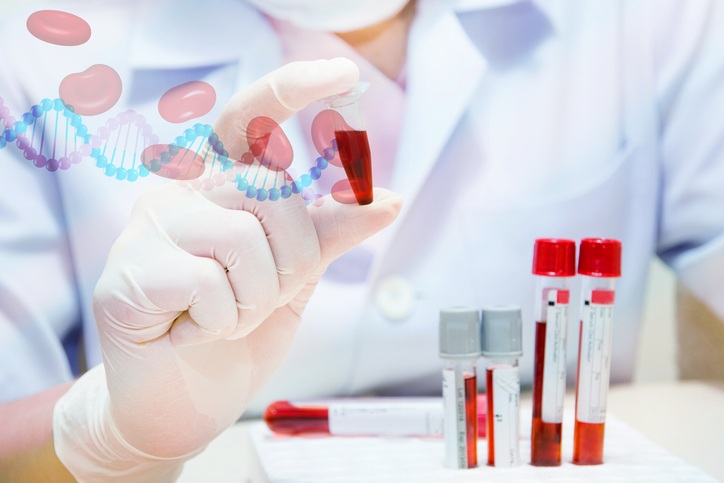
To investigate these factors, the team conducted comprehensive genetic analyses of tumor tissue and blood samples, alongside single-cell transcriptomic profiling in 17 patients. Clinical responses were observed in patients carrying mutations related to TCR signaling. These patients also exhibited clonal expansion of CD8-positive effector T cells, which participate in tumor cell elimination, together with enhanced antitumor immune activity.
By comparison, patients with a high burden of clonal hematopoiesis-associated mutations were less likely to benefit from dasatinib and showed impaired antitumor immune responses. Clonal hematopoiesis is an age-related phenomenon involving somatic mutations and clonal expansion of hematopoietic stem cells. Together, these findings suggest that tumor genetic characteristics and the immune microenvironment may influence dasatinib efficacy.
Published in Nature Communications on October 5, 2026, the study identified biomarkers that may help guide patient selection and inform treatment strategies in future studies. The findings also offer insights into how clonal hematopoiesis may shape antitumor immunity, potentially supporting the development of therapies targeting the tumor immune microenvironment.
Related Links
University of Tsukuba