Liquid Biopsy Measures Tumor Burden and Identifies Small Cell Lung Cancer Subtypes
Posted on 30 Oct 2026
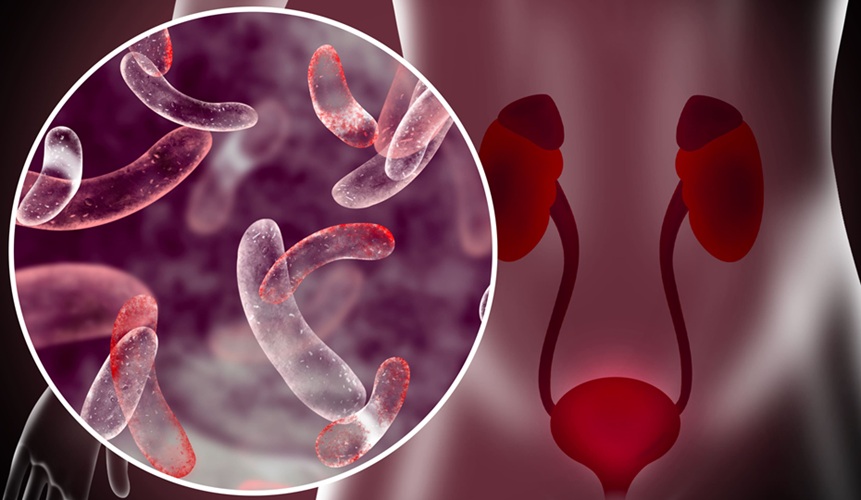
Small cell lung cancer (SCLC) accounts for roughly 15% of lung cancer cases and is characterized by rapid growth, early spread, and poor survival outcomes. Although scientists have identified molecular subtypes with distinct biological features, obtaining enough tumor tissue for molecular testing remains challenging. New findings suggest a way to overcome this sampling limitation, demonstrating a liquid biopsy approach that can measure cancer burden and characterize SCLC from blood.
Northwestern Medicine scientists and collaborators demonstrated the use of cell-free chromatin immunoprecipitation sequencing (cfChIP-seq), a technique pioneered by a research group at the Hebrew University of Jerusalem. The team showed that the method could identify key gene-expression features of SCLC using as little as 1 milliliter of blood.
While conventional liquid biopsies primarily examine tumor DNA mutations, cfChIP-seq analyzes DNA fragments and associated proteins released into the bloodstream by dying cells. Active chromatin marks provide information about which genes are turned on within tumor cells, enabling assessment of cancer burden and molecular identity without repeated tissue biopsies.
To evaluate these capabilities, the investigators analyzed 441 plasma samples from patients with SCLC and other cancers, as well as healthy controls, and compared blood-based findings with matched tumor samples. The results showed that cfChIP-seq could measure tumor burden, track cancer progression, and identify SCLC molecular subtypes. A blood-based SCLC score also correlated strongly with cancer burden observed on tumor imaging.
Published in the Journal of Clinical Investigation on October 1, 2026, the study involved Northwestern Medicine, the Robert H. Lurie Comprehensive Cancer Center of Northwestern University, and the Hebrew University of Jerusalem. Larger prospective studies are needed before the technology can enter routine clinical care. Future research will focus on repeated sampling during treatment to assess whether blood-based molecular signatures can predict treatment response and resistance.
“Although SCLC has historically been treated largely as a single disease, we now recognize that there are important biological differences between tumors. Understanding these differences is essential to developing more effective treatments,” said Anish Thomas, M.D., the Roswell Park Professor of Hematology and Oncology and a member of the Robert H. Lurie Comprehensive Cancer Center of Northwestern University.
“A blood test that captures both tumor burden and molecular identity could eventually help clinicians monitor treatment response, detect changes in tumor biology as resistance develops, and better understand which patients may benefit from future therapies,” added Thomas.
Related Links
Northwestern Medicine
Hebrew University