CE-Marked Blood Test Enables Monitoring of Neuroinflammation in Multiple Sclerosis
Posted on 14 Apr 2026
Multiple sclerosis affects more than 2.9 million people worldwide and requires ongoing evaluation of disease activity to guide care. Routine monitoring often depends on magnetic resonance imaging (MRI), which can be resource intensive and difficult to access regularly for many patients. A newly CE‑marked blood test now offers minimally invasive monitoring of neuroinflammation in adults with relapsing‑remitting multiple sclerosis, enabling more frequent assessment of disease biology.
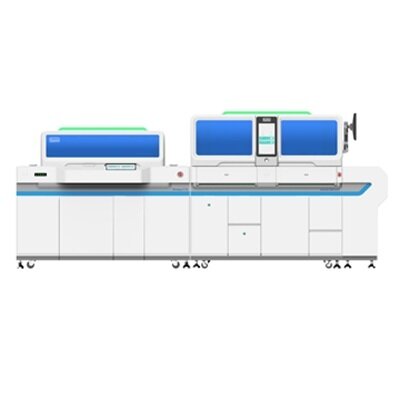
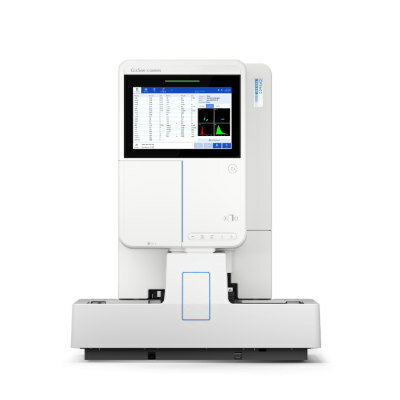
Roche’s Elecsys Neurofilament Light Chain (NfL) test has received CE mark approval for use in adults diagnosed with relapsing‑remitting multiple sclerosis (RRMS). The assay is designed to detect neuroaxonal damage associated with neuroinflammation and provide standardized results on widely available cobas analyzers. By enabling measurement from a simple blood draw, it is intended to facilitate more regular monitoring across care settings.
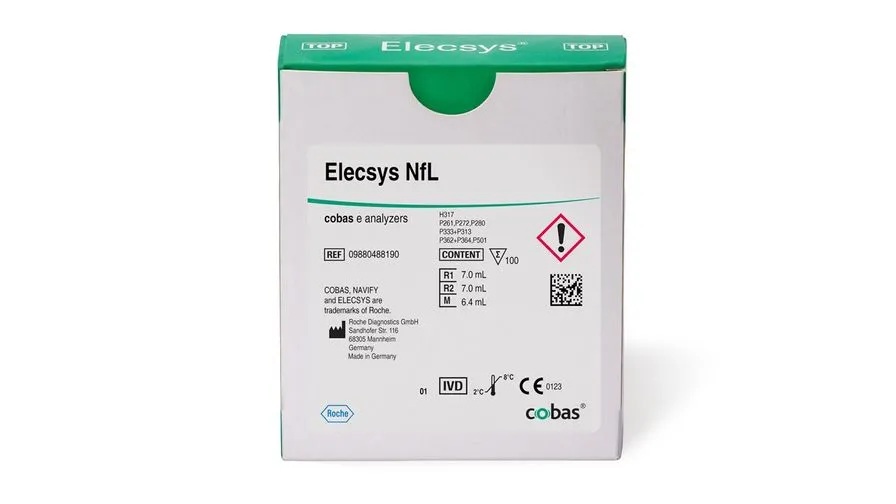
Elecsys NfL is an in vitro quantitative immunoassay that measures neurofilament light chain protein concentrations in human serum and plasma. NfL is a neuron‑specific cytoskeletal protein released at increased levels with axonal injury, allowing blood levels to reflect the underlying neuroinflammatory state in multiple sclerosis. Insights from NfL measurements complement routine clinical assessments and MRI, potentially aiding earlier and better‑informed clinical management.
Following CE mark approval on April 13, 2026, testing can be performed on cobas instruments in countries that accept the CE mark, supporting consistent reporting. The assay was granted Breakthrough Device Designation by the U.S. Food and Drug Administration (FDA) in November 2023. Local specimen collection reduces the need for travel to specialist centers, addressing geographic, financial, and logistical barriers that limit frequent monitoring.
With traditional approaches often constrained by access and capacity, a blood‑based biomarker strategy can make longitudinal assessment more practical. Elecsys NfL aims to deliver reliable insights regardless of where testing is carried out, aligning with efforts to support timely clinical reassessment for people living with RRMS.
“This approval marks a transformative step forward in how we support adults with relapsing-remitting multiple sclerosis (RRMS),” said Matt Sause, CEO of Roche Diagnostics. “The availability of a simple blood-based test has the potential to complement resource-intensive MRI scans and improve access for patients with RRMS. The Elecsys NfL test will help healthcare providers support timely clinical reassessment, enabling better disease management and more personalised care for patients.”