


Study Finds Potential Marker of Targeted Drug Resistance in Breast Cancer
Posted on 03 Nov 2026
Estrogen receptor-positive breast cancer is the most common breast cancer subtype and is driven by estrogen. Many patients are treated with CDK4/6 inhibitors alongside hormone therapy, but these drugs do not benefit everyone and eventually lose effectiveness in most patients with advanced disease. Identifying tumor features associated with treatment resistance therefore remains an important challenge. New findings suggest that a cell-cycle marker may help identify tumors resistant to targeted therapy.
Researchers at the Garvan Institute of Medical Research (Sydney, Australia) developed a new preclinical model to track cyclin-dependent kinase 1 (CDK1) activity in breast tumors. The model uses a fluorescent sensor that lights up when CDK1 is active. CDK1 belongs to the same protein family as CDK4 and CDK6, which help regulate cell division.
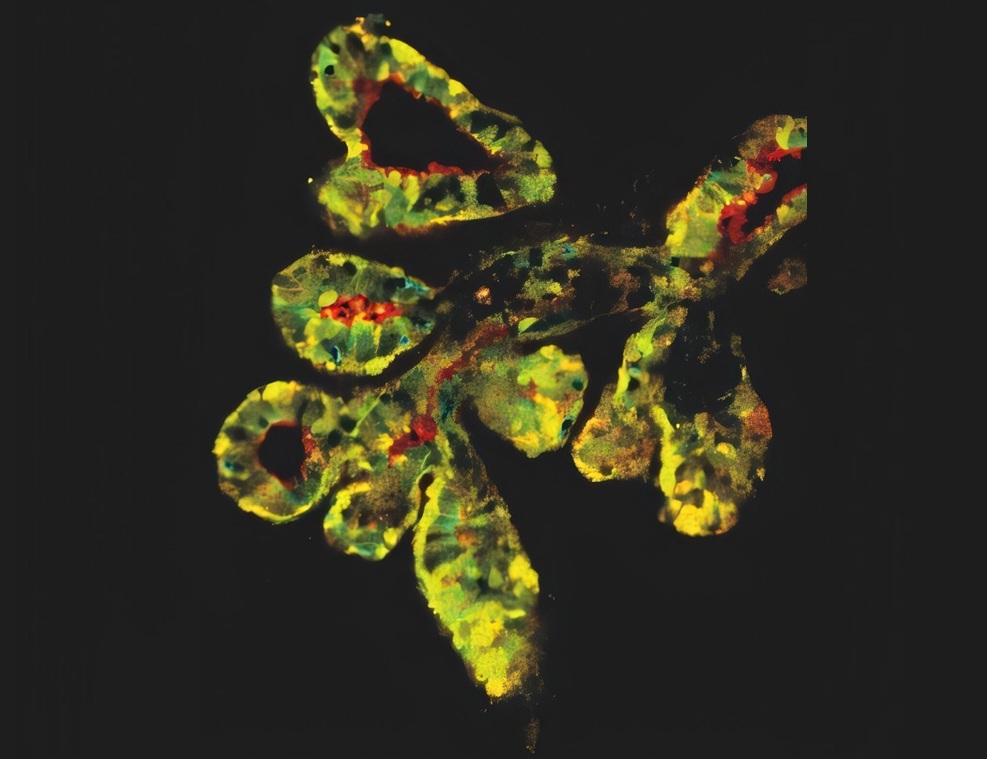
While CDK4 and CDK6 help initiate the cell division process, CDK1 is required for the final stage in which a cell divides into two. Using the fluorescent sensor, the researchers observed that CDK1 activity increased as tumors became invasive. Analysis of more than 400 breast cancer biopsy samples also showed that CDK1 activity rose as cancers became more aggressive and was associated with poorer outcomes.
The team then examined existing clinical trial data from breast cancers treated with CDK4/6 inhibitors. In tumors that did not respond to treatment, genes encoding CDK1 and its partner proteins remained expressed, suggesting continued CDK1 activity. Breast cancer cells exposed to a CDK4/6 inhibitor for approximately 10 months, until resistance developed, also showed reactivation of CDK1, while treated tumors that continued growing in the preclinical model showed higher CDK1 activity.
The study, published in Advanced Science on October 11, 2026, involved the Garvan Institute of Medical Research and the University of Manchester. The team stated that the findings need testing in larger groups of patients treated with CDK4/6 inhibitors. The findings could also support future investigation of drugs targeting CDK1.
“CDK4/6 inhibitors have made a real difference for people with breast cancer, but right now we can't tell who will get the most out of them, or whether they've stopped working. We wanted to find a signal in the tumor itself that tells us who is most likely to benefit and whether the therapy is doing its job,” said Associate Professor Liz Caldon, lab head at Garvan and co-senior author of the study.
“Most tests can tell you whether a protein is there, but not whether it's actually working. This model shows us which cells have CDK1 switched on, so we can track the cell cycle being activated during treatment,” said Dr. Max Nobis, co-senior author of the study, now a lab head and lecturer at the University of Manchester.
Related Links
Garvan Institute of Medical Research
University of Manchester