Gene Panel Shows Promise for Predicting Chemotherapy Response in TNBC
Posted on 15 May 2026
Triple-negative breast cancer (TNBC) is an aggressive subtype commonly treated with chemotherapy, yet outcomes vary widely among patients. Understanding the tumor features that drive this variability remains a key challenge. Clarifying tumor microenvironment and cancer-cell programs linked to response could enable earlier insights. New findings demonstrate a 13-gene transcriptional panel and a machine learning model that may help predict chemotherapy response in early-stage TNBC.
Researchers at The University of Texas MD Anderson Cancer Center (Houston, TX, USA) developed a 13-gene transcriptional signature panel alongside a machine learning model derived from cancer cell-specific features in the tumor microenvironment (TME). The approach identifies macrophage subtypes and cancer-cell programs associated with treatment responsiveness. Together, these tools may help anticipate which tumors are more likely to respond to chemotherapy before treatment.
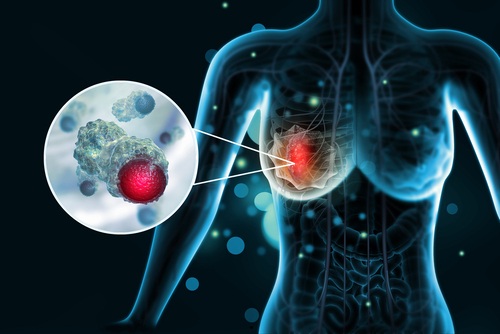
Using pre-chemotherapy tissue samples from patients with TNBC, the team conducted single-cell analysis of more than 427,000 cells from 101 patients and spatial transcriptomic analysis of tumors from 44 patients. The profiles were compared with normal breast tissue from the Human Breast Cell Atlas. These datasets enabled categorization of tumors into four patient-level archetypes based on cancer-cell gene expression.
The investigators identified a coordinated set of 13 highly expressed, cancer-specific genes that constitute a transcriptional signature driving distinct intratumoral cell populations. They also characterized 49 immune cell states that organize into eight consistent TME neighborhoods, each associated with the archetypes and with chemotherapy response. The study highlights the importance of specific macrophage subtypes and cancer-cell transcriptional programs linked to either pro- or anti-tumor activity.
The work was published in Nature on May 13, 2026. The ability to better predict chemotherapy responses in TNBC is described as an important step toward understanding how tumor-specific features relate to outcomes, although further prospective studies are needed before clinical application. The findings also underscore TME features, particularly macrophage subtypes, that could guide efforts toward more tailored therapeutic strategies.
“This study provides novel insights into the gene-expression programs and the different cell states of the tumor microenvironment in patients with triple-negative breast cancer,” said Nicholas Navin, Ph.D., chair of Systems Biology at The University of Texas MD Anderson Cancer Center. "Importantly, we've identified certain programs and macrophage subtypes that are associated with good responses to neoadjuvant chemotherapy, which has tremendous potential to improve patient outcomes."
“These insights provide an important foundation for improving our understanding of why different TNBC tumors respond differently to chemotherapy, and the findings have strong potential to inform future strategies aimed at better predicting treatment response and guiding more individualized care for patients with triple-negative breast cancer,” said Clinton Yam, M.D., associate professor of Breast Medical Oncology at The University of Texas MD Anderson Cancer Center.
Related Links
UT MD Anderson Cancer Center