Routine TB Screening Test May Reveal Immune Aging and Mortality Risk
Posted on 14 May 2026
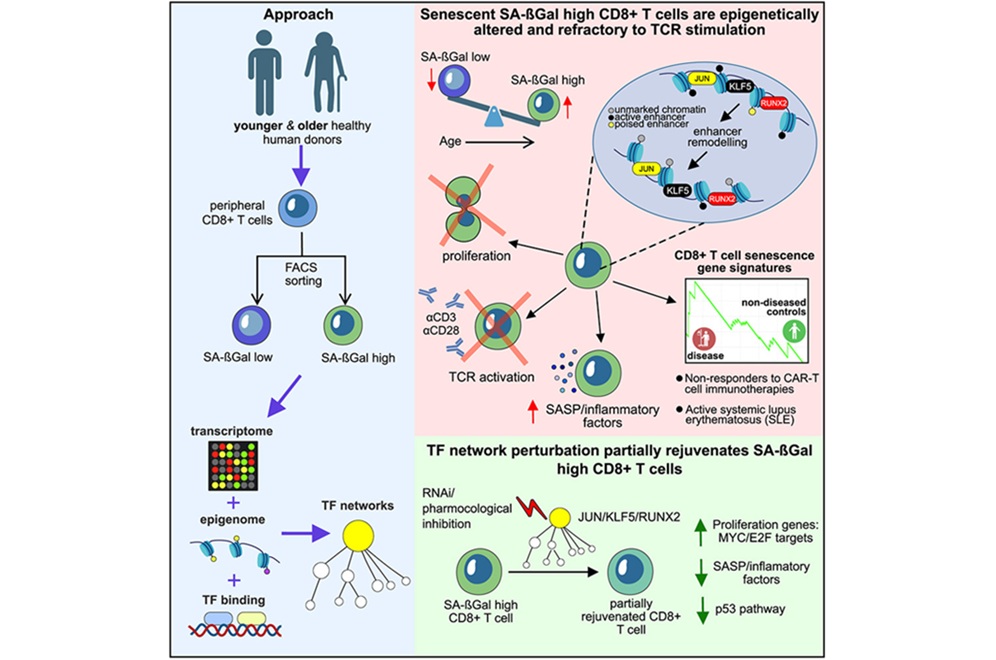
Immune aging is associated with weaker responses to vaccination, greater risks of infection, and higher levels of inflammation. Leveraging routinely ordered laboratory tests to quantify that responsiveness could clarify its relationship to clinical outcomes. A new study shows that signals embedded in widely used routine tuberculosis screening tests can illuminate links to patients’ long-term mortality.
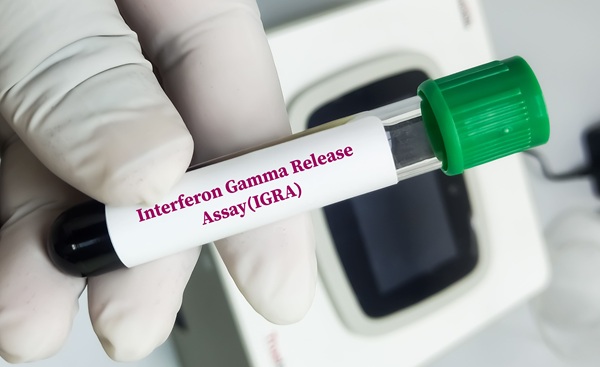
University of California, Los Angeles (UCLA) Health researchers examined interferon-gamma release assays (IGRAs), routine tests for tuberculosis exposure, with a focus on the assay’s built-in positive control. That control exposes a patient’s blood to phytohemagglutinin (PHA), which typically elicits a strong immune response and can reflect baseline adaptive immune performance, including T‑cell activity. By analyzing this control channel rather than the antigen-specific readout, the team assessed overall immune activation using data already generated in care.
The investigators reviewed de‑identified records from more than 16,000 individuals at the VA Greater Los Angeles Healthcare System who had negative or indeterminate IGRA results. Patients who were sick with other illnesses were excluded before researchers linked the PHA‑control responses to survival. This design enabled population‑level analysis without altering standard testing workflows.
Patients with low control‑channel immune responses experienced a 10% higher mortality over five years, and the association persisted after accounting for age and chronic illnesses. The findings, published in GeroScience, indicate that IGRA control responses can serve as a scalable measure of immune function accessible from a widely used clinical assay. The methods described could indicate how effectively the adaptive immune system mounts responses to varied threats.
The research highlights potential applications, including using IGRA control responses as a gauge of mortality risk and as an additional consideration when evaluating organ transplant candidates and adjusting immunosuppression. Relevance is also noted for patients undergoing cancer immunotherapy. Further studies across additional patient groups, links to specific health outcomes, and mechanistic work on downstream T‑cell pathways are needed before translation into a clinical tool.
Related Links
UCLA Health