Tumor-Specific Biomarker Predicts Neoadjuvant Immunotherapy Response in Gastric Cancer
Posted on 07 Apr 2026
Gastric cancer is the fifth most common malignancy and the fourth leading cause of cancer mortality worldwide, with China bearing nearly half of the global burden. Only a subset of patients benefit from immune checkpoint inhibitors, and existing markers such as PD-L1 are limited by technical complexity and inconsistent assessment. Standard immunohistochemistry is available in most pathology laboratories. Researchers now present a tumor-cell biomarker that stratifies response to neoadjuvant immunotherapy before surgery.
At Zhejiang Cancer Hospital, in collaboration with Peking University, investigators identified tumor-specific major histocompatibility complex class II (tsMHC-II) expression in cancer cells as a predictive biomarker for response to neoadjuvant immunotherapy in locally advanced gastric cancer. The findings, published in Science Bulletin, indicate that tsMHC-II can be evaluated with routine immunohistochemistry and interpreted more consistently than PD-L1. The approach is designed to support pre-surgical treatment selection.
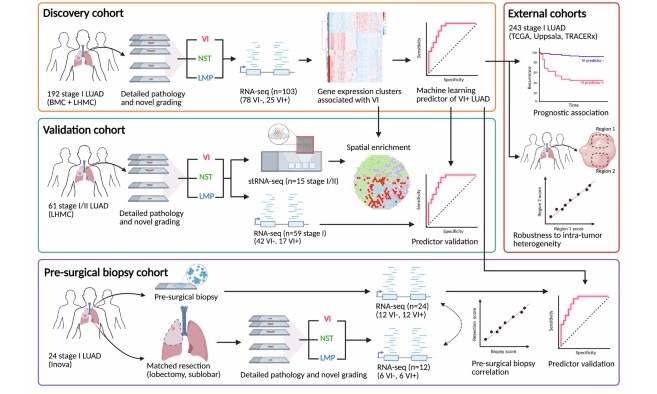
_image.png "Image: Through neoadjuvant therapy combining chemotherapy with immune checkpoint inhibitors (ICI) for 46 LAGC patients and single-cell transcriptome sequencing, researchers found that tumor cells in the treatment-sensitive group specifically upregulated MHC-II (tumor-specific major histocompatibility complex class II, tsMHC-II) molecules (photo courtesy of Science China Press)")
Using comprehensive single-cell RNA sequencing of tumor samples from patients receiving neoadjuvant immunotherapy, the team observed that tsMHC-II expression correlated with treatment sensitivity. Mechanistic analyses indicated that interferon-gamma signaling upregulates MHC-II in tumor cells, enhancing immune recognition and therapeutic responsiveness. In the discovery work, patients underwent neoadjuvant therapy combining chemotherapy with immune checkpoint inhibitors.
Across the analyzed cohort, tsMHC-II-positive tumors were associated with higher pathological complete response (pCR) and major pathological response (MPR) rates than tsMHC-II-negative tumors. Patients with tsMHC-II-positive disease achieved a pCR rate of 36.84% versus 11.11% in tsMHC-II-negative disease, and an MPR rate of 63.16% versus 25.93%. These differences align with the observed linkage between tumor-intrinsic antigen presentation and treatment sensitivity.
To validate the biomarker prospectively, the researchers conducted a clinical trial enrolling 30 patients selected for tsMHC-II-positive tumors. In this cohort, 36.67% achieved pCR and 66.67% achieved MPR, results described as significantly higher than typically observed in unselected populations. The authors note that tsMHC-II assessment offers clear and consistent readouts using standard pathology methods.
The study appears in Science Bulletin. According to the institutions, the discovery provides a practical predictive tool and mechanistic insight for refining neoadjuvant immunotherapy strategies in gastric cancer, and larger multi-center trials are planned.
"This biomarker could transform how we select patients for neoadjuvant immunotherapy," Professor Xiangdong Cheng said, one of the study's corresponding authors. "By identifying patients most likely to benefit, we can improve outcomes while sparing non-responders from unnecessary treatments and side effects."