CRISPR-Based Platform Pinpoints Drivers of Acute Myeloid Leukemia in Patient Cells
Posted on 28 Feb 2026
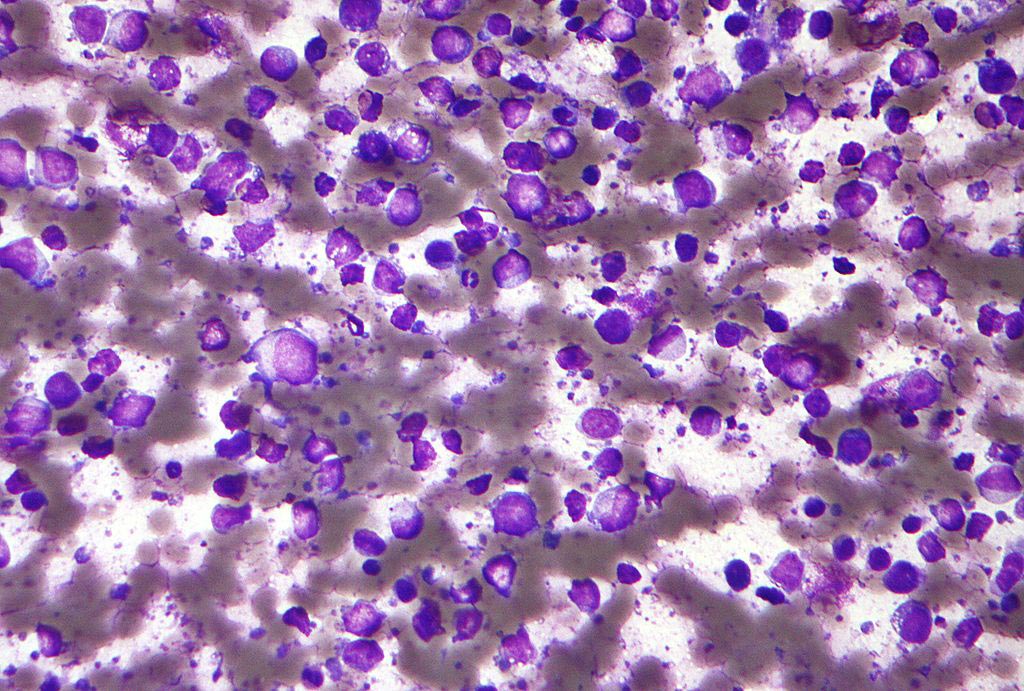
Acute myeloid leukemia (AML) is an aggressive blood cancer that affects the bone marrow and blood. While chemotherapy can induce remission, many patients experience relapse or fail to respond to treatment, often due to gene or chromosome changes in leukemia cells. Traditional CRISPR-based genetic screening has largely relied on laboratory-grown cell lines that do not fully capture the genetic diversity seen in patients. A new CRISPR-based approach now applies genome editing directly to patients’ cancer cells, revealing genes and regulatory elements that drive AML and helping identify potential drug targets.
Researchers at Penn Medicine (Philadelphia, PA, USA), in collaboration with Children’s Hospital of Philadelphia (Philadelphia, PA, USA), has developed an optimized method to deliver CRISPR components directly into primary AML cells collected from patients, overcoming previous technical barriers in editing heterogeneous tumor samples. Using refined viral vectors and delivery techniques, the researchers achieved high gene-editing efficiency in patient-derived leukemia cells.

They screened hundreds of gene edits simultaneously to determine which changes reduced or increased cell growth, indicating genes critical for cancer survival. The platform was tested both in laboratory cultures and in preclinical models using transplanted patient-derived leukemia cells. Single-gene edits were successful in approximately 86 percent of patient samples, while high-throughput multi-gene screening worked in about 73 percent. The platform confirmed many known leukemia dependency genes and uncovered vulnerabilities present only in specific patients or AML subtypes.
The study, published in Molecular Cell, also combined CRISPR editing with single-cell RNA sequencing to analyze how individual cells responded. This approach revealed that some edits caused cell death, while others halted growth and pushed cells into a dormant, therapy-resistant state, highlighting the complex and heterogeneous nature of leukemia. By working directly on patient samples, the platform provides a clearer picture of which genes truly drive tumor survival in real-world cases.
It allows researchers to observe how different subpopulations within the same tumor respond to genetic disruption, offering insights into why some cancers become resistant to therapy. The team hopes this strategy could eventually move beyond research and support clinical decision-making by prioritizing treatments based on each patient’s tumor biology. Future work will focus on applying the platform to other difficult-to-treat leukemias, including pediatric AML.
“Our hope is that this novel platform will identify new ways of developing precision therapies for patients who do not currently have promising options,” said Kathrin M. Bernt, MD, a senior study author.
Related Links:
Penn Medicine
Children’s Hospital of Philadelphia








 Analyzer.jpg)