Rapid Diagnostic Technology Utilizes Breath Samples to Detect Lower Respiratory Tract Infections
Posted on 08 Sep 2025
Respiratory tract infections (LRTIs) are leading causes of illness and death worldwide, particularly among vulnerable populations such as the elderly, young children, and those with compromised immune systems. Pneumonia, the most common LRTI, is the leading infectious cause of death in children under five, claiming the lives of over 700,000 children each year globally. In adults, LRTIs account for 2.5 million deaths annually, millions of hospitalizations, and significant healthcare costs.
Contributing to the rise of antibiotic resistance, broad-spectrum antibiotics are often prescribed without a clear diagnosis. The lack of rapid, accurate diagnostics exacerbates this issue, making it difficult to tailor treatments effectively and leading to overuse of antibiotics. Now, a noninvasive diagnostic platform aims to evaluate whether exhaled breath can diagnose LRTIs in high-risk populations within critical care environments, including intubated patients with mechanical ventilation.
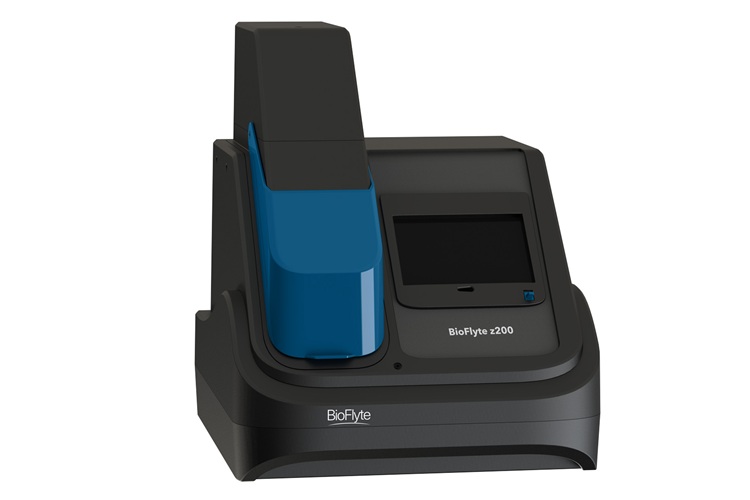
Zeteo Tech’s (Arlington, VA, USA) novel technology aims to expedite the diagnosis of LRTIs and guide treatment strategies by employing a highly multiplexed, cost-effective MALDI-MS assay to differentiate active infection from colonization, assess antibiotic susceptibility, and distinguish between viral and bacterial infections. By leveraging these findings, physicians may be able to minimize unnecessary antibiotic administration and facilitate more effective treatment of antibiotic-resistant bacteria.
Combating Antibiotic-Resistant Bacteria Biopharmaceutical Accelerator (CARB-X, Boston, MA, USA) has awarded Zeteo Tech USD 1 million to execute a work plan for its noninvasive diagnostic platform. CARB-X funding for this project will explore utilizing breath samples from children as viable alternatives to bronchoalveolar lavage (BAL) or sputum collection, thereby making the sample collection less invasive than traditional methods.
“Diagnosing lower respiratory tract infections rapidly and accurately remains a significant clinical challenge, particularly in critical care settings,” said Erin Duffy, PhD, R&D Chief of CARB-X. “This project will evaluate the possibility of using exhaled breath as a noninvasive sample type — an approach that could reduce reliance on more invasive procedures. We look forward to seeing how Zeteo’s technology performs in early-stage development and what insights it may bring to inform improved patient outcomes.”
Related Links:
Zeteo Tech
CARB-X