






UK Scientists Develop New Drug for Malaria
By Biotechdaily staff writers
Posted on 19 Aug 2003
Collaborative efforts by UK scientists from different centers have resulted in a drug shown to be highly effective for treating uncomplicated Plasmodium falciparum malaria.Posted on 19 Aug 2003
Called Lapdap (chlorproguanil hydrochloride and dapsone), the drug was developed specifically to treat patients in sub-Saharan Africa where affordable treatments are urgently needed to reduce the mortality and morbidity of P falciparum. The drug can be used to treat adults and children weighing more than 5 kg. Data from a phase III study demonstrated significantly higher cure rates, compared to sulfadoxine-pyrimethamine (S/P) and was well tolerated. Anemia occurred in a small proportion of patients but was of limited duration. The drug has a short half-life, which creates a short "resistance selection window” that should help preserve its anti-malarial efficacy.
The drug is to be marketed by GlaxoSmithKline (GSK, London, UK). The malaria strategy recommended by the World Health Organization (WHO) for Africa to increase efficacy and reduce resistance is to use anti-malarials in combination with artemisinin to form a combination therapy. The development of Lapdap in a fixed dose artimisinin combination is under way.
"Drugs used as first-line treatment in uncomplicated P falciparum malaria, such as S/P, are failing because of increasing parasite resistance,” noted Prof. Peter Winstanley, directory of the Wellcome Trust Tropical Center at the University of Liverpool (UK), who led development work on the drug.
Related Links:
GlaxoSmithKline
University of Liverpool




Platinum Member

Automated Coagulation Analyzer
Hemolumi H6
Gold Member

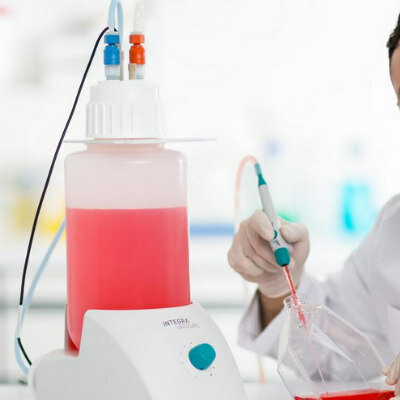
Aspiration System
VACUSAFE
New

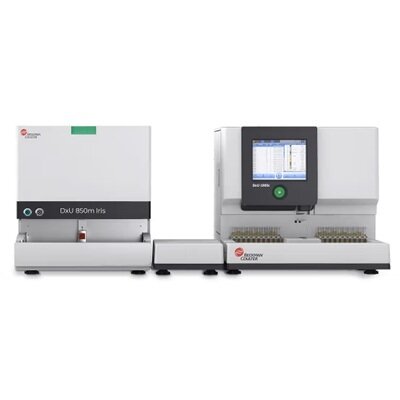
Fully Automated Urinalysis System
DxU 1800 Fully Automated Urinalysis System
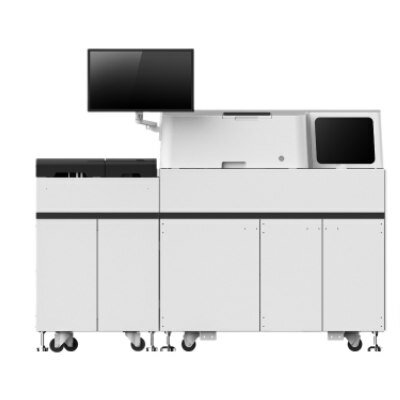
Automatic CLIA Analyzer
Shine i6000


