Protective Coating Helps Leishmania to Resist Macrophage Digestion
By Biotechdaily staff writers
Posted on 12 Aug 2003
Researchers studying the molecular mechanism that allows the leishmania parasite to survive inside macrophages, blood cells that usually destroy pathogenic microorganisms, have found that while the major surface lipophosphoglycan (LPG) is critical to the survival of the parasite, other molecules must collaborate with it.Posted on 12 Aug 2003
Epidemiologists estimate that about 12 million people worldwide are infected with leishmania parasites. The parasite is spread by the bite of sand flies and causes various types of cutaneous and visceral diseases.
Investigators at Washington University School of Medicine (St. Louis, MO, USA) focused their studies on the role of LPG, which is abundantly expressed on the surface of parasite. Their paper published July 17, 2003, in the online edition of Proceedings of the National Academy of Sciences described the use of a strain of the parasite that was genetically engineered to lack the gene for LPG production.
Parasites without LPG were found to be ten times more vulnerable to attack by complement, and although parasites that lacked LPG invaded macrophages, they were quickly destroyed by oxidative mechanisms once inside the cells. On the other hand, parasites without LPG retained the ability to resist macrophage hydrolytic and proteolytic defenses.
"This study helps us better understand how these parasites are transmitted and how they establish infections,” said senior author Dr. Stephen M. Beverley, professor of molecular microbiology at Washington University. "It also could help efforts leading to the development of a vaccine to prevent this devastating disease.”
Related Links:
Washington University




Platinum Member

Automated Coagulation Analyzer
Hemolumi H6
Gold Member

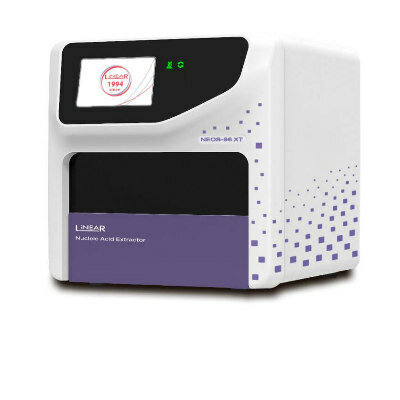
Nucleic Acid Extractor System
NEOS-96 XT
New

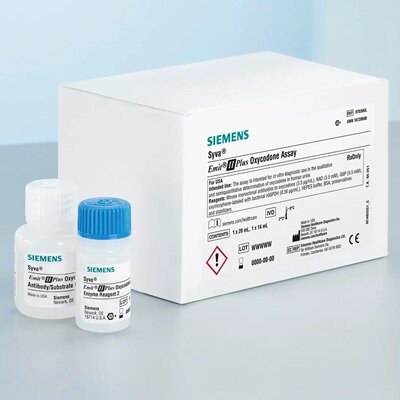
Drug Testing Assays
Atellica DT 250 Analyzer

New
Silver Member

Connectivity Solution
EKF Link