Mass Spectroscopy Used to Locate Tumor Markers
By Biotechdaily staff writers
Posted on 05 May 2003
Protein expression profiling using a sophisticated mass spectroscopy technique has identified macrophage migration inhibitory factor (MIF) and cyclophilin A as potential molecular targets in non-small cell lung cancer. Posted on 05 May 2003
Investigators at the Duke University Medical Center (Durham, NC, USA) used a matrix-assisted laser desorption/ionization time-of-flight mass spectrometry (MALDI-TOF MS) discovery platform to generate protein expression profiles in search of overexpressed proteins in lung tumors as potentially novel molecular targets. This technique allowed the investigators to determine each particle's precise mass and relative abundance in a particular sample. Using the method to study samples from patients with lung cancer, the investigators identified two proteins, macrophage migration inhibitory factor and cyclophilin A. Subsequently, the presence of these proteins in cancerous tissue was confirmed through Western blots and immunohistochemistry. These findings were published in the April 1, 2003, issue of Cancer Research.
"Scientists have generated protein peaks and used them to diagnose various diseases, but we have gone an extra step to discover what the protein is and to ultimately use that protein as a potential molecular target for therapy and diagnostics,” explained senior author Dr. Edward Patz, professor of radiology and pharmacology and cancer biology at Duke University. "It is useful to know that you have a marker for the disease, but it is far more useful to understand the biology of disease and use that knowledge to develop new strategies. Our technique is a new paradigm for identifying protein targets in cancer because we are zeroing in on the protein itself rather than searching for a defective gene and then hunting down its relevant proteins.”




Platinum Member

Automated Coagulation Analyzer
Hemolumi H6
Gold Member

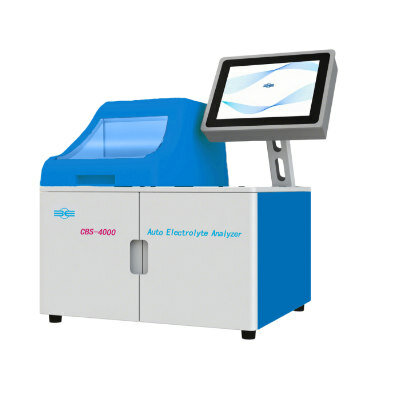
Electrolyte Analyzer
CBS-4000 (CBS-400)
New

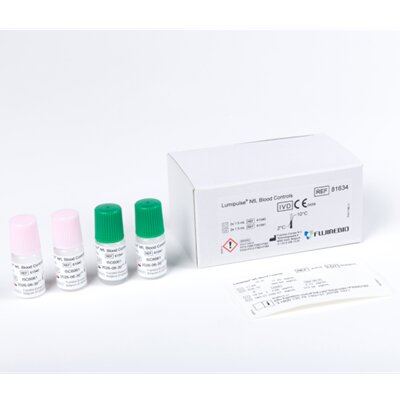
Neurofilament Light Chain Assay
Lumipulse G NfL Blood
New

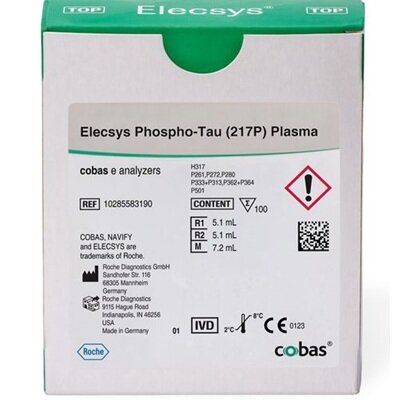
Alzheimer's Disease Biomarker Assay
Elecsys Phospho-Tau (217P) Plasma