Manipulating the Genome in Human Embryonic Stem Cells
By Biotechdaily staff writers
Posted on 26 Feb 2003
Researchers working with human stem cells have described an electroporation approach, based on the physical characteristics of human embryonic stem cells (ES), that has allowed them to manipulate single genes within the human genome. Their work was described in the February 10, 2003, online edition of Nature Biotechnology.Posted on 26 Feb 2003
Investigators from the University of Wisconsin (Madison, USA) succeeded in modifying a homologous recombination technique employed to produce "knockout” mice for use with human ES cells. Significant differences between mouse and human embryonic stem cells had, until now, hampered the application of the technique to human ES cells. High, stable transfection efficiencies in human ES cells had been difficult to achieve, and, in particular, electroporation protocols established for mouse ES cells worked poorly in human ES cells. Also, in contrast to mouse stem cells, human ES cells could not be cloned efficiently from single cells, making it difficult to screen for rare recombination events.
In the current study, the authors describe the isolation and manipulation of the single gene that causes Lesch-Nyhan syndrome, a rare genetic disorder. The ability to add or delete genes in ES cells promises to open new doors for research into the clinical use of stem cells. "Indeed, homologous recombination is one of the essential techniques necessary for human ES cells to fulfill their promise as a basic research tool and has important implications for ES cell-based transplantation and gene therapies,” explained the authors, Dr. Thomas P. Zwaka and Dr. James A. Thomson, researchers at the National Primate Research Center of the University of Wisconsin.
Related Links:
University of Wisconsin




Platinum Member

Automated Coagulation Analyzer
Hemolumi H6
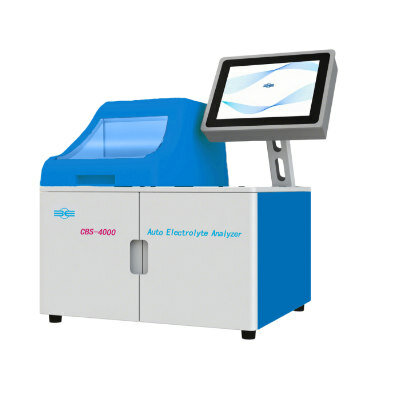
Gold Member

Electrolyte Analyzer
CBS-4000 (CBS-400)
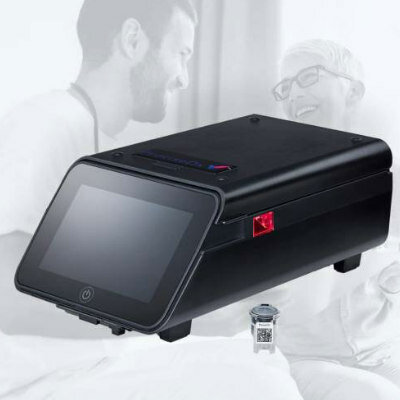

POC Immunoassay Analyzer
Procise DX
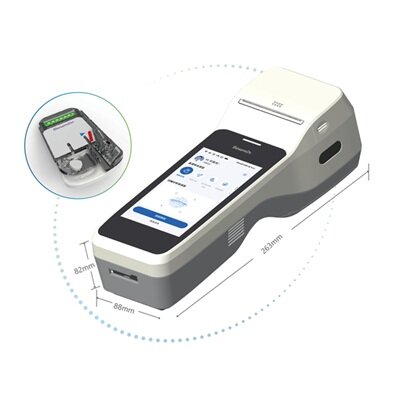

Portable POCT Blood Gas Analyzer
BD100