






Computer Program Predicts Novel Genes
By Biotechdaily staff writers
Posted on 17 Feb 2003
Researchers using a recently developed computer program that predicts novel genes have identified 1,019 previously unrecognized genes that are shared by both the mouse and human genomes. Their findings were published in the February 4, 2003, issue of the Proceedings of the National Academy of Sciences.Posted on 17 Feb 2003
"Whereas it might have taken 7,000 experiments to verify a thousand genes, with our method it now will take only about 1,500,” said senior author Dr. Michael R. Brent, associate professor of computer science at Washington University (St. Louis, MO, USA), who developed Twinscan, one of the programs used in the study. Twinscan predicts genes by looking at both the alignment between the two genomes and statistical patterns in the individual DNA sequences of each genome.
In the current study, the researchers employed a two-stage procedure that exploited the mouse and human genome sequences to produce a set of genes with a much higher rate of experimental verification than had been previously reported by other prediction methods. RT-PCR (reverse transcription-polymerase chain reaction) amplification and direct sequencing applied to an initial sample of mouse predictions that did not overlap previously known genes verified the regions flanking one intron in 139 predictions, with verification rates reaching 76%. The investigators verified 112 previously unknown homologs of known proteins, including two homeobox proteins relevant to developmental biology, an aquaporin, and a homolog of dystrophin. They estimated that transcription and splicing could be verified for > 1,000 gene predictions identified by this method that do not overlap known genes.
Dr. Brent said, "We now have this very sensitive and specific method for finding, predicting, and testing multi-exon genes in mammals, and we think that the method provides a very good tool for completing the catalog of multi-exon genes in humans.”
Related Links:
Washington University




Platinum Member

Automated Coagulation Analyzer
Hemolumi H6
Gold Member

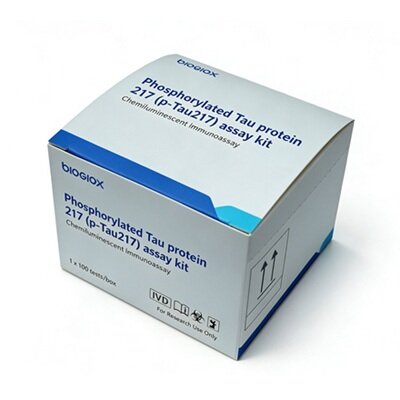
Blood-Based Protein Biomarker Solution for Alzheimer's Disease
BG-DTi2000.
New

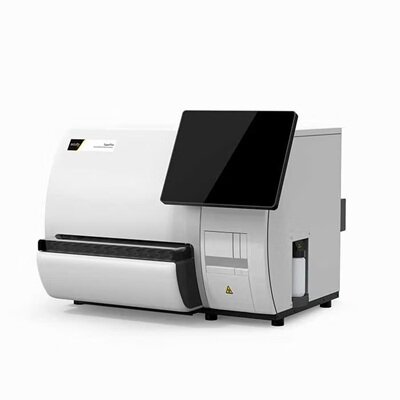
Automated Immunoassay Analyzer
SuperFlex™
New
Gold Member

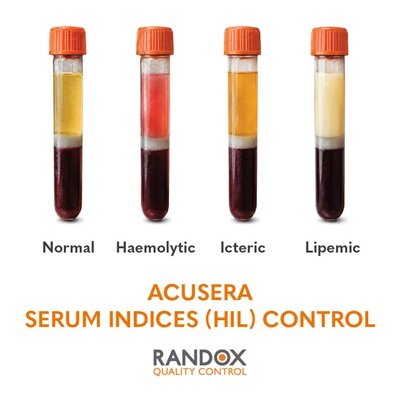
Serum Indices Control
Acusera Serum Indices Control


