Stem Cell Behavior Influenced by Oxygen Level
By Biotechdaily staff writers
Posted on 11 Feb 2003
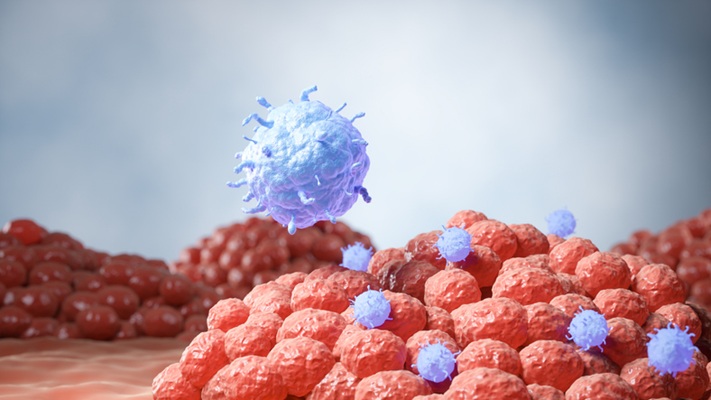
Researchers have found that the level of oxygen present during the transformation process plays a major role in stimulating fat stem cells to change into chondrocytes, the cells that make up cartilage. Their findings were presented at the annual meeting of the Orthopedic Research Society in New Orleans (LA, USA).Posted on 11 Feb 2003
Investigators from Duke University Medical Center (Durham, NC, USA) used a biochemical cocktail of steroids and growth factors to "retrain” specific adult stem cells that would normally form the structure of fat to transform into chondrocytes. During this process, if the cells were grown in normal atmospheric 20% oxygen, the stem cells tended to proliferate. However, the stem cells changed into chondrocytes when the level of oxygen was reduced to 5%. This low oxygen level was similar to the natural condition of cartilage.
"For us, the ultimate goal is the development of a bioreactor where we can very carefully control the physical and chemical environment of these cells as they transform,” explained senior investigator Dr. Frank Guilak, director of orthopedic research at Duke University Medical Center. "The results of these experiments, which demonstrated the role of oxygen levels in the process, represent another important step in achieving this goal.”
Related Links:
Duke University Medical Center




Platinum Member

Automated Coagulation Analyzer
Hemolumi H6


Electrolyte Analyzer
BKE-B

Gold Member

Platelet Function Analyzer
PL-12