Italian Firm Acquires Fast Melt Technology
By Biotechdaily staff writers
Posted on 07 Feb 2003
The worldwide rights to a new pharmaceutical fast melt technology and manufacturing process have been acquired by Eurand (Milan, Italy) under an agreement with Kyowa Hakko Kogyo Co., Ltd. (Tokyo, Japan). Posted on 07 Feb 2003
The new fast melt technology will allow patients to take their medications anytime, anywhere without chewing or the need for water. The technology produces an orally administered fast-dissolving dosage form and is broadly applicable, since it can be used with both soluble and insoluble products. The tablet is produced using a proprietary system that utilizes 10-30 times less hydrophobic lubricant than conventional tablet production. The resulting tablet is both hard and durable but does not impede liquid entry upon contact with saliva. In addition, the tablet does not contain water-insensitive cohesive bonds between particles to hinder disintegration. Eurand intends to market the products in combination with Microcaps, the company's taste-masking technology.
"This technology is different from the competition in that while it offers a first class fast melt tablet in terms of speed of disintegration, it is both easy to produce and more robust than other fast melt tablets,” noted Gearoid Faherty, CEO of Eurand.
Related Links:
Eurand
Kyowa




Platinum Member

Automated Coagulation Analyzer
Hemolumi H6
Gold Member

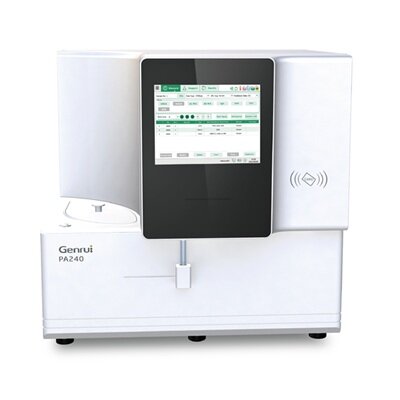
Fully-auto Specific Protein (Nephelometry) Analyzer
PA240
New
Silver Member
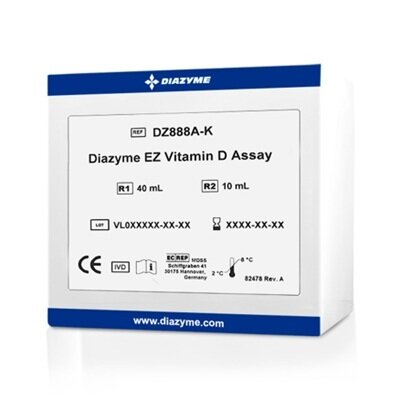
Vitamin D Assay
EZ Vitamin D Assay
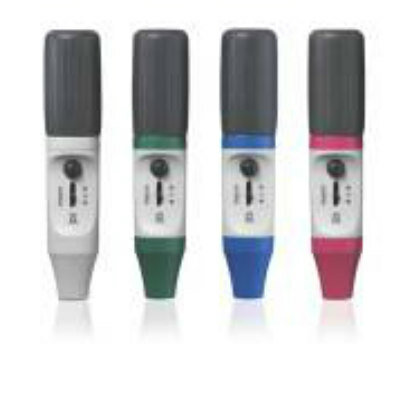

Manual Pipetting Aid
Pipette Controllers macro