






Scientists Discover Cause of Embryo Attachment
By Biotechdaily staff writers
Posted on 04 Feb 2003
A study has revealed that the outer cells of the early human embryo express a protein that binds to carbohydrates in the uterus and progressively slows the embryo's journey until it attaches to the uterine wall. The finding was reported in the January 17, 2003, issue of Science.Posted on 04 Feb 2003
The researcher found that about six days after fertilization, the outer cells of the early embryo, or blastocyst, express a protein called L-selectin while the uterus becomes enriched with carbohydrates. L-selectin normally binds briefly to such carbohydrates, so the continual sticking and unsticking gradually slow and then end the embryo's journey. When it comes to rest, the stage is set for it to adhere to the uterine wall.
"It's like a tennis ball rolling across a surface covered in syrup,” said Susan Fisher, Ph.D., senior author and professor of stomatology, anatomy, and pharmaceutical chemistry at the University of California, San Francisco (UCSF, USA). Discovering the molecular basis of the first step in implantation may prove useful to treat infertility and provide insights into common pregnancy problems, Dr. Fisher noted. Around 50-60% of conceptions progress beyond 20 weeks, and 75% of lost pregnancies are the result of implantation failure.
UCSF has filed for a patent on the use of L-selectin to diagnose if a woman is capable of becoming pregnant and to pinpoint causes of infertility.




Platinum Member

Automated Coagulation Analyzer
Hemolumi H6
Gold Member

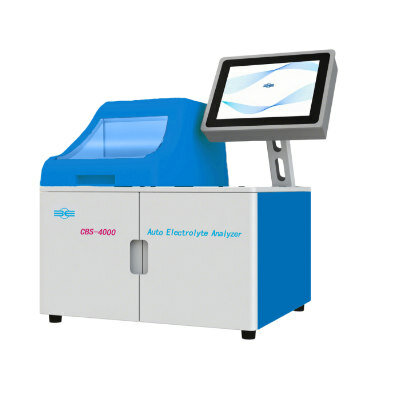
Electrolyte Analyzer
CBS-4000 (CBS-400)
Platinum Member
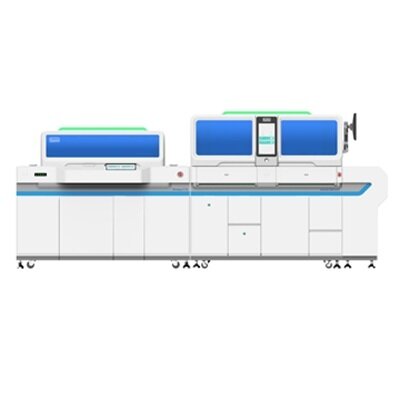
Integrated Biochemical & Immunological System
Biolumi CX Solution X10+C10

Manual Pipetting Aid
Pipette Controllers macro


