






Haptoglobin a Marker for Heart Disease in Diabetics
By Biotechdaily staff writers
Posted on 16 Dec 2002
A study has demonstrated that a functional allelic polymorphism in the haptoglobin gene acts as a major determinant of susceptibility for the development of cardiovascular complications in diabetics. The findings suggest that a blood test for the haptoglobin phenotype could help identify diabetics at risk. The study was published in the December 4, 2002, issue of the Journal of the American College of Cardiology.Posted on 16 Dec 2002
Cardiovascular disease (CVD) is the most frequent, severe, and costly complication of type 2 diabetes. There are clear geographic and ethnic differences in the risk of CVD among diabetic patients that cannot be fully explained by differences in conventional CVD risk factors. Investigators from the Technion Institute of Technology (Haifa, Israel; www.technion.ac.il) looked at the role of the gene for haptoglobin in the development of CVD in diabetic patients.
The sample group included 206 individuals with heart disease and 206 control cases aged 45-74. Using stored blood samples, the researchers identified three different phenotypic forms of haptoglobin: 2-2, 1-1 and 2-1. Individuals with the 2-2 form were five times more likely to have heart disease than those with the 1-1 form. An intermediate risk was associated with those with the 2-1 form.
The results suggest that a blood test for haptoglobin phenotype could help to identify at-risk diabetics. First author Dr. Andrew P. Levy of the Technion Faculty of Medicine said, "If we can accurately determine which people with diabetes are at greatest risk for heart disease with a genetic test, there is no telling how many lives we could save with early intervention techniques.”
Related Links:
Technion Institute




Platinum Member

Automated Coagulation Analyzer
Hemolumi H6
New
Gold Member

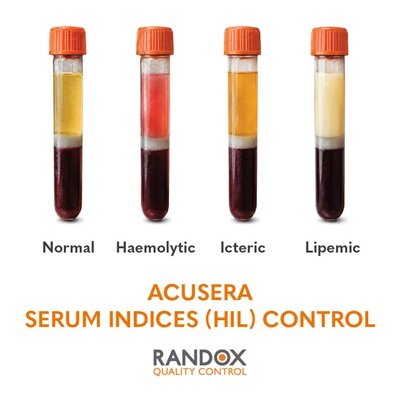
Serum Indices Control
Acusera Serum Indices Control

Gold Member

Blood-Based Protein Biomarker Solution for Alzheimer's Disease
BG-DTi2000.

Electrolyte Analyzer
BKE-B


