






GSIs May Stop Cancer Growth
By Biotechdaily staff writers
Posted on 20 Nov 2002
A study may lead to the use of drugs known as gamma-secretase inhibitors, or GSIs, to stop the growth of cancer. The study was published in the September 2002 issue of Nature Medicine.Posted on 20 Nov 2002
GSIs are already under investigation as a treatment for Alzheimer's disease. GSIs are drugs that block gamma secretase, an enzyme that produces a harmful protein in the brains of people with Alzheimer's. The current study shows that inhibiting gamma secretase also can block intercellular communications in cancer cells.
Cancer occurs when several genes within a cell are damaged. Earlier research has found that a type of gene called Ras is one of the most commonly damaged or inappropriately activated genes in human malignant tumors. The current study showed that when damaged or excessively activated in human cells, Ras, through gamma secretase, activates a protein known as Notch-1, which in turn triggers a chain of events that allow cancer cells to grow.
"If we stop Notch, we stop Ras and, ultimately, we can stop cancers that depend on it for survival,” says Dr. Lucio Miele, associate professor of biopharmaceutical sciences at the University of Illinois, Chicago (USA; www.uic.edu), who led the research.
"The really exciting discovery for us is that you can stop cancer cells by just switching off these Notch genes or blocking the activation of notch proteins by gamma secretase,” added Dr. Miele. "This therapy works very well in model human cancer cells created in the laboratory, and it works even better in cells from an actual cervical cancer.” This result was demonstrated both in the test tube and in experimental tumors formed by human cancer cells in mice.
Dr. Miele cautions that more studies are needed to establish which types of cancer could benefit from gamma secretase-blocking drugs or Notch-blocking gene therapy but foresees potential applications in many types of cancer.
Related Links:
U. Illinois, Chicago




Platinum Member

Automated Coagulation Analyzer
Hemolumi H6
Gold Member

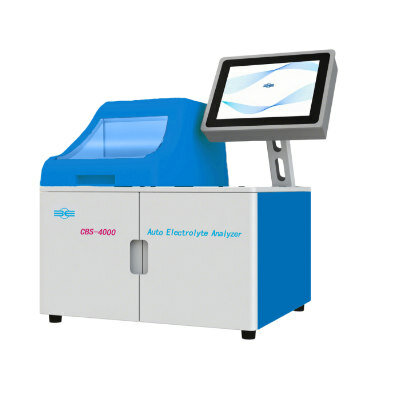
Electrolyte Analyzer
CBS-4000 (CBS-400)
New

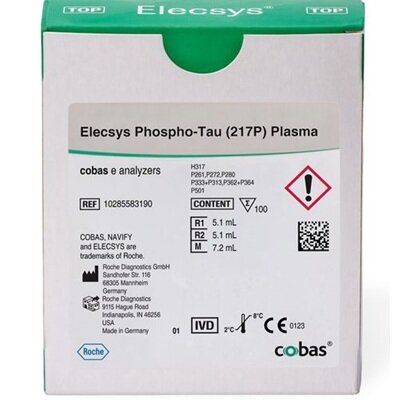
Alzheimer's Disease Biomarker Assay
Elecsys Phospho-Tau (217P) Plasma
New

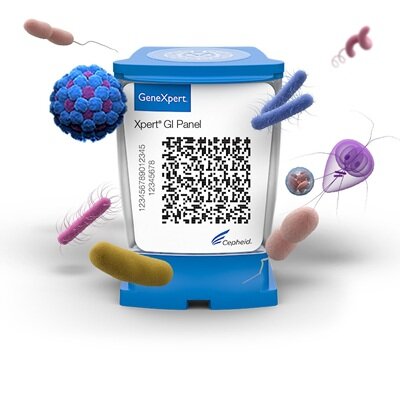
Gastrointestinal Panel
Xpert® GI Panel


