RNA Amplification Technology for Small Samples
By Biotechdaily staff writers
Posted on 07 Nov 2002
New technology has been developed for performing RNA amplification for gene expression analysis from very small samples.Posted on 07 Nov 2002
The technology can be used to successfully amplify mRNA transcripts from samples less than 1ng. Called Ribo-SPIA, the system will enable scientists to significantly expand the scope of their research by enabling them to perform studies on very small amounts of precious samples that previously could not be readily analyzed.
Ribo-SPIA(TM) makes a cDNA copy of the original mRNA sequence and then produces an amplified product. This DNA product is more stable than the RNA product generated by existing methods, such as the T7-based (Eberwine) RNA amplification method, resulting in more efficient and reproducible labeling and analysis. Ribo-SPIA can achieve up to 1,000 or more copies in less than four hours, compared to two to three days when using other technologies.
The system is well-suited for quantitative gene expression analysis of total RNA derived from tissue biopsies, laser captured micro-dissected (LCM) material, and other precious samples. The technology generates enough material for hundreds of gene-specific TaqMan(R) assays or global expression profiling on several microarrays from less than 20 ng of total RNA input for a single amplification reaction.
"Our Ribo-SPIA technology will enable scientists to drastically reduce the amount of sample required to conduct gene expression profiling, while maintaining the fidelity required to make this analysis meaningful,” said Nurith Kurn, Ph.D., chief scientific officer of NuGen Technologies (San Carlos, CA, USA), which developed the technology. "Unlike current methods, Ribo-SPIA is a very simple and rapid process that is highly reproducible and amenable to automation for high-throughput applications.”
Related Links:
NuGen Technologies




Platinum Member

Automated Coagulation Analyzer
Hemolumi H6
Gold Member

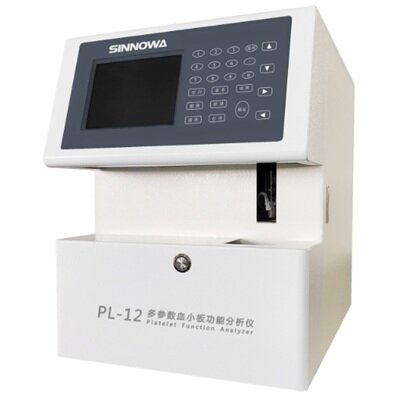
Platelet Function Analyzer
PL-12
Gold Member

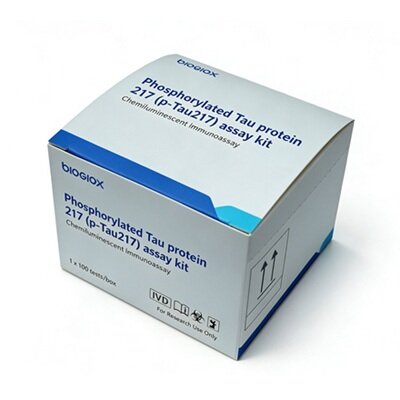
Blood-Based Protein Biomarker Solution for Alzheimer's Disease
BG-DTi2000.
New

Drug Testing Assays
Atellica DT 250 Analyzer