Gene Linked to Sporadic Form of Breast Cancer
By Biotechdaily staff writers
Posted on 17 Oct 2002
Researchers have identified a tumor suppressor gene called DBC2 (for "deleted in breast cancer”) that is missing or inactive in as many as 60% of breast cancers. This finding was reported in the October 7, 2002, online edition of the Proceedings of the National Academy of Sciences.Posted on 17 Oct 2002
DBC2 was cloned from a homozygously deleted region on human chromosome 8p21. It is one of the few tumor suppressor genes to be clearly associated with sporadic breast cancer, which accounts for more than 90% of breast cancers. Heritable forms of the disease make up less than 10% of breast cancers.
The investigators, from the Cold Spring Harbor Laboratory (NY, USA) and the University of Washington (Seattle, USA; ), showed that production of the DBC2 protein in breast cancer cells killed cancer cells or prevented them from growing. The same group from the University of Washington discovered the first gene linked to hereditary breast cancer, BRCA1, in 1990, while the same Cold Spring Harbor group identified a tumor suppressor gene called PTEN in 1997.
Related Links:
Cold Spring Harbor Laboratory
University of Washington




Platinum Member

Automated Coagulation Analyzer
Hemolumi H6
Gold Member

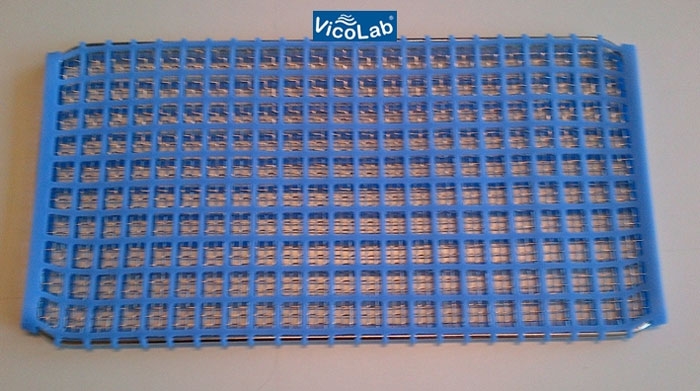
NEW PRODUCT : SILICONE WASHING MACHINE TRAY COVER WITH VICOLAB SILICONE NET VICOLAB®
REGISTRED 682.9
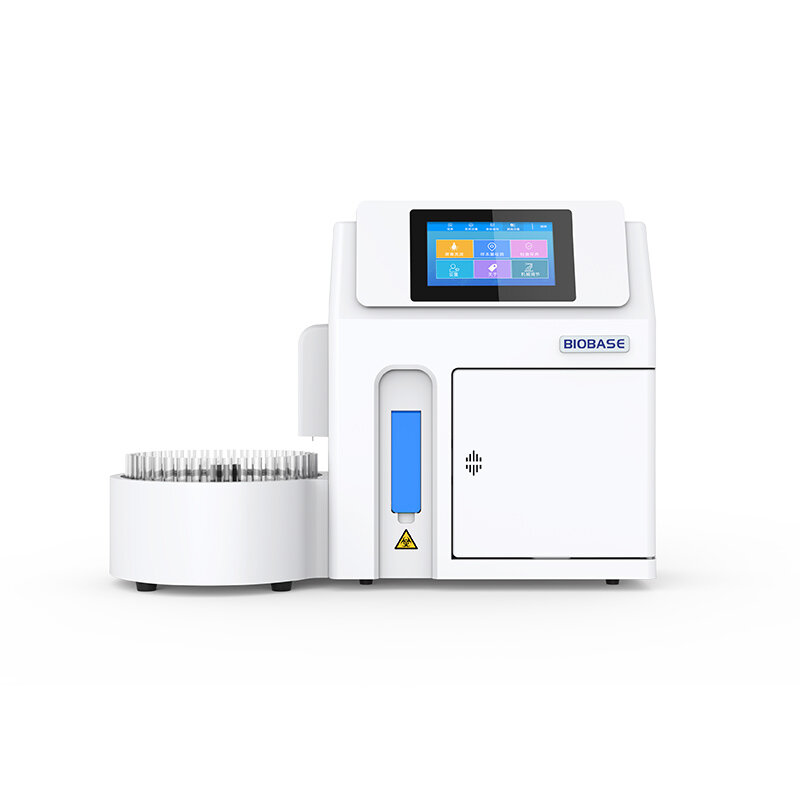

Electrolyte Analyzer
BKE-B

Gold Member

Blood-Based Protein Biomarker Solution for Alzheimer's Disease
BG-DTi2000.