






Notch1 Expression Level Varies in HPV
By Biotechdaily staff writers
Posted on 20 Sep 2002
A recent study revealed that reduced expression of the Notch1 gene in high-grade human papilloma virus (HPV)-infected cervical cells was an important factor in the development of malignant cervical cancer, while in low-grade HPV cervical lesions, it was expressed at a level adequate to suppress viral proteins and protect the cells. The study was published in the September 1, 2002, issue of Genes & Development.Posted on 20 Sep 2002
HPV is the most prevalent sexually transmitted infection in the world, and HPV infection is associated with the majority of the 400,000 new cervical cancer cases reported annually.
The HPV genome encodes two viral proteins, E6 and E7, which interfere with two of the infected cell's primary tumor suppressor pathways (p53 and Rb). The investigators, from Harvard Medical School (Boston, MA, USA), discovered that the down-regulation of Notch1 in HPV-infected cervical cells permitted increased expression of E6 and E7, which, in turn, promoted malignant cervical cell transformation. In low-grade HPV-positive cervical lesions, Notch1 was expressed at an adequate level to suppress E6 and E7, and thereby protect the cell against HPV-induced transformation. However, in high-grade HPV-positive cervical lesions, Notch1 expression was markedly decreased, relieving the suppression of E6 and E7 activity, and creating the correct genetic milieu for malignant cell transformation.
These findings shed new light on the role of Notch signaling. Dr. G. Paolo Dotto, the study's corresponding author, explained, "The main conclusion that can be drawn from our findings is that the positive or negative role of the Notch pathway in tumor development is likely to be highly context-dependent. Therefore, the potential therapeutic applications of agents that suppress Notch signaling need to be carefully evaluated, as they could have the opposite effect of what was actually intended.”




Platinum Member

Automated Coagulation Analyzer
Hemolumi H6
Gold Member

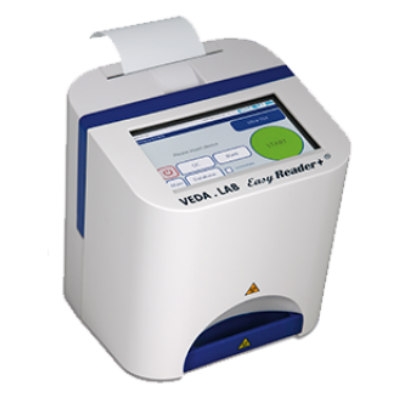
Quantitative POC Immunoassay Analyzer
EASY READER+
Platinum Member
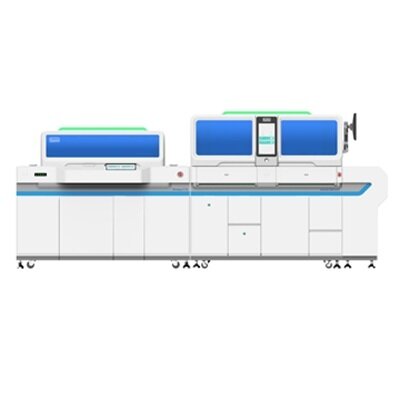
Integrated Biochemical & Immunological System
Biolumi CX Solution X10+C10
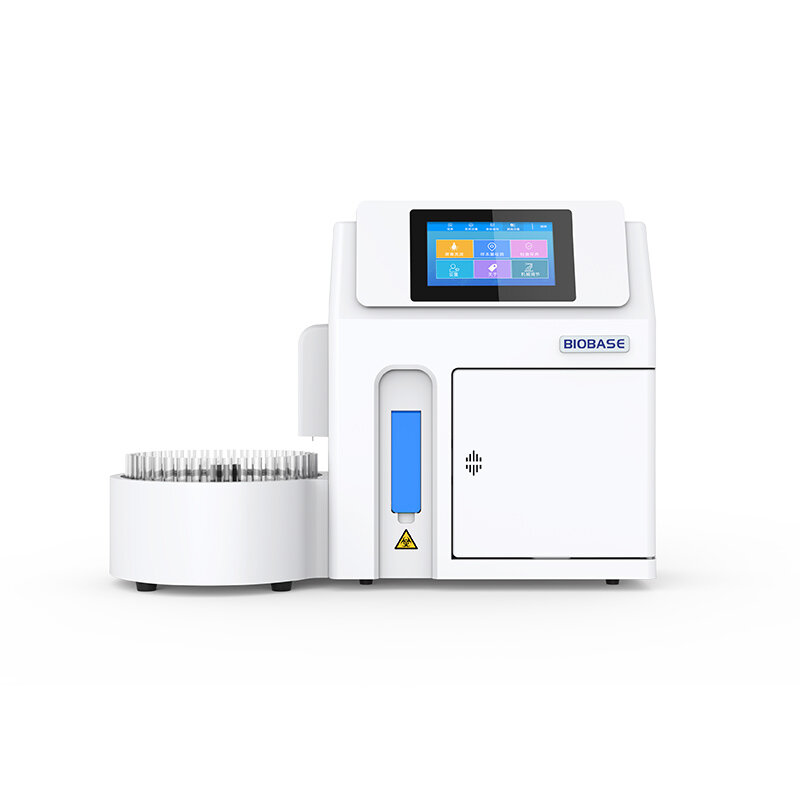

Electrolyte Analyzer
BKE-B


