Scientists Develop a Way to Make Drugs Safer
By Biotechdaily staff writers
Posted on 13 Sep 2002
Scientists have developed a way to safely turn on and off the effects of drugs. Their work was described in the September 5, 2002, issue of Nature. Posted on 13 Sep 2002
The premise of the research was to develop an antidote that could be used in cases when patients have complications from a drug or when doctors believe a change of treatment is needed and they cannot wait for the effects of the drug to wear off naturally. The researchers, from Duke University Medical Center (Durham, NC, USA), used the drug heparin as a model. The ability to control the medication with an antidote would give surgeons more control over bleeding in patients during and after surgical procedures. Heparin can be controlled by an antidote called protamine but it does not always work.
The researchers focused on a class of drugs called aptamers, compound made of RNA that bind directly to a target protein and inhibit the protein's activity. "We developed an aptamer that inhibits a protein required for blood clotting to make a new anticoagulant. We then made an antidote specifically paired to the aptamer to reverse the blood-thinning process,” said Chris P. Rusconi, Ph.D., lead author of the study and director of Duke's Research Program in Combinatorial Therapeutics.
Using plasma samples from six patients who cannot tolerate heparin, the researchers showed that the newly created anticoagulant worked and that the antidote could reverse the blood-thinning effect of heparin. They said the antidote was effective within 10 minutes.
Related Links:
Duke University Medical Center




Platinum Member

Automated Coagulation Analyzer
Hemolumi H6
Gold Member

Aspiration System
VACUSAFE
New

Drug Testing Assays
Atellica DT 250 Analyzer
New
Gold Member

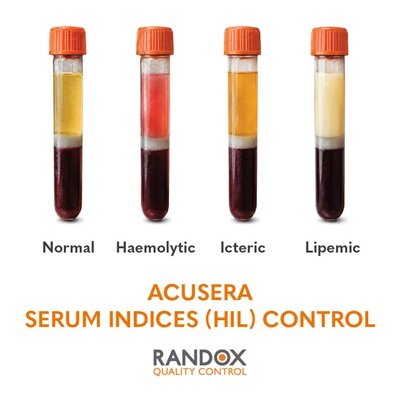
Serum Indices Control
Acusera Serum Indices Control