Stimulatory Effect of Caffeine Explained
By Biotechdaily staff writers
Posted on 12 Sep 2002
A recently published report has revealed that DARPP-32 (dopamine- and cyclic AMP-regulated phosphoprotein of relative molecular mass 32,000), a key regulatory protein involved in controlling receptors, ion channels, and other physiologic factors in the brain and known to play a role in drug addiction, is implicated in the stimulatory effect of caffeine. The report appeared in the August 15, 2002, issue of Nature.Posted on 12 Sep 2002
Researchers from the University of Texas Southwestern Medical Center (UT, Dallas, USA) and the Karolinska Institute (Stockholm, Sweden) employed a mouse model that lacked the gene for synthesis of DARPP-32. They found that normal mice given a 7.5 mg/kg dose of caffeine showed a dramatic increase in long-range (locomotion) and short-range (motility) movements for as long as 100 minutes. This amount of caffeine is the equivalent of about three cups of coffee for a person weighing 72.5 kg. When they gave the mice lacking DARPP-32 the same dose, it had little effect. Only by doubling the dose to 15 mg/kg were the researchers able to overcome the knockout effect of gene deletion.
Dr. James Bibb, one of the report's authors and assistant professor of psychiatry at UT Southwestern Medical Center, said the results were similar to those of his previous studies exploring the same biochemical pathways activated by cocaine. It has been known for some time that caffeine owes much of its stimulant action to its ability to block receptors, such as those for adenosine. "We find that in the brain many processes are related, and it is well-known that caffeine can induce insomnia and that adenosine can induce sleep.”
Related Links:
University of Texas Southwest Medical Center
Karolinska Institute




Platinum Member

Automated Coagulation Analyzer
Hemolumi H6
Gold Member

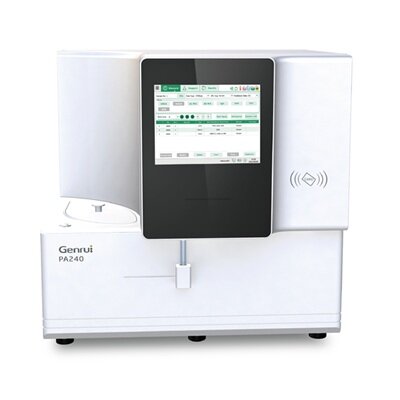
Fully-auto Specific Protein (Nephelometry) Analyzer
PA240
Gold Member

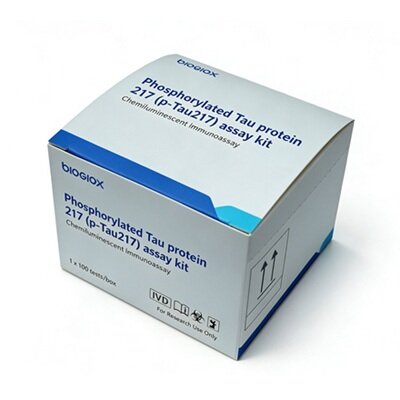
Blood-Based Protein Biomarker Solution for Alzheimer's Disease
BG-DTi2000.
Platinum Member
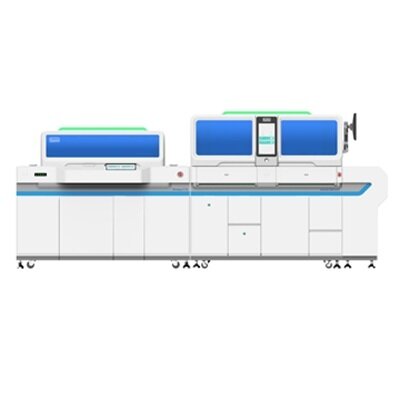
Integrated Biochemical & Immunological System
Biolumi CX Solution X10+C10