






Mouse Genome Helps Identify Cancer Genes
By Biotechdaily staff writers
Posted on 13 Aug 2002
Researchers have identified a group of 21 potential cancer genes that collaborate in the absence of the tumor-suppressing protein p27 in the transformation of normal cells into cancer cells. Their work was published in the July 31, 2002, online issue of the Proceedings of the National Academy of Sciences. Posted on 13 Aug 2002
"We focused on the p27 pathway because the protein has been implicated in the development of many cancers,” said Dr. Bruce E. Clurman, a researcher at the Fred Hutchinson Cancer Research Center (Seattle, WA, USA; www.fhcrc.org). "In normal cells, the p27 protein blocks cells division in response to many signals and p27 functions as a tumor suppressor. That is, the loss of p27 function is associated with the development of cancer. But how p27 works to suppress cancer is unknown.”
The researchers infected groups of both normal and p27-deficient mice with Moloney leukemia virus, which causes lymphomas in mice. They then used genome sequence information to determine the identities of the mouse genes adjacent to sites of viral insertion. Although tumors formed in both groups of mice, the process was greatly accelerated in the p27-deficient animals.
Two common insertion sites were identified. Each insertion occurred in seven different p27-deficient animals, but only rarely in the normal mice. One insertion was near a gene called Jundp2, which forms a protein known to interact with another cancer-causing gene called Jun. Jundp2 was not previously known to be carcinogenic. The other insertion was in a region of the X chromosome of the mouse, where genes have not yet been well characterized.
"Figuring out the identity of the genes near insertion sites was greatly facilitated by the recent completion of the mouse genome sequence,” Dr. Clurman said. "The technique of insertional mutagenesis with the Moloney virus, combined with the resources of human and mouse genome sequences, allows one to start with one defined mutation--in our case, p27--and identify an enormous number of genes involved in cancer.”




Platinum Member

Automated Coagulation Analyzer
Hemolumi H6
Gold Member

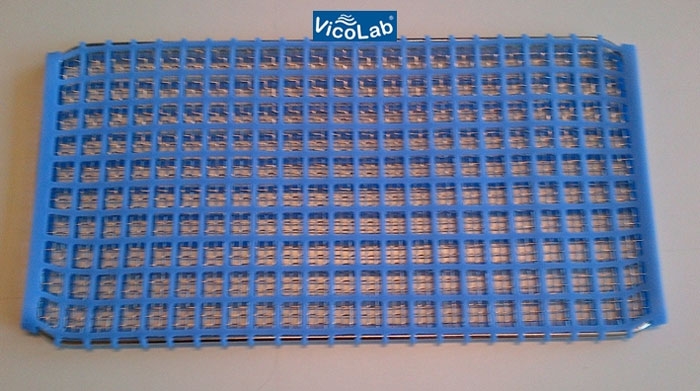
NEW PRODUCT : SILICONE WASHING MACHINE TRAY COVER WITH VICOLAB SILICONE NET VICOLAB®
REGISTRED 682.9

CMV CLIA Diagnostic
CLIA CMV IgA Screen Group
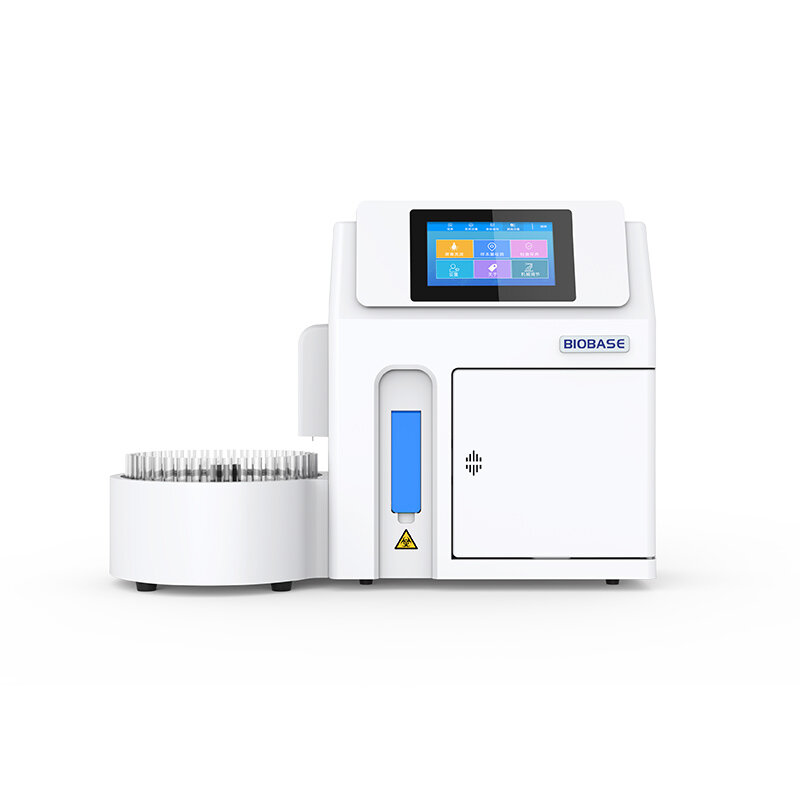

Electrolyte Analyzer
BKE-B


