






Antigen Microarray Aids Diagnosis of Autoimmune Diseases
By Biotechdaily staff writers
Posted on 22 May 2002
A new diagnostic system for autoimmune diseases is based on an antigen microarray, which consists of glass slides dotted with thousands of proteins and other molecules that are often attacked in autoimmune diseases. The microarray system, which is the result of research conducted at the Stanford University Medical Center (Stanford, CA, USA), is described in the March 2002 issue of Nature Medicine.Posted on 22 May 2002
The antigen microarray assay allows the laboratory to screen a patient's sample for hundreds of antibodies simultaneously. "Right now clinicians test each antigen separately, and each one can take weeks,” said P.J. Utz, M.D., senior author of the study. These arrays could enable a clinician to diagnose the disease on the first visit.”
To use the microarray, doctors draw a blood sample from the patient and incubate it on the array. Those antibodies that recognize molecules on the array will attach and remain bound to them. Fluorescent molecules are added to detect the antibodies, creating colored spots on the slide. A computer then counts the spots to see which antigens the immune system recognized.
Most healthy people do not have antibodies that recognize most of antigens on the array. Diabetics, however, may produce arrays with spots corresponding to pancreas cell proteins, and people with rheumatoid arthritis produce spots that correspond to molecules found in the joints. Microarrays will also help determine who is at future risk of developing a disease because autoantibodies may be formed years before signs of illness appear.
"Even if the patients don't have the disease now, such microarrays may be able to predict which patients are most likely to develop the disease in the next five years,” says William Robinson, lead author of the study. "In the future, it may become possible to identify individuals at higher risk, such as those with a family history of autoimmune disease, so they can begin preventive therapy.”
Related Links:
Stanford University




Platinum Member

Automated Coagulation Analyzer
Hemolumi H6
Gold Member

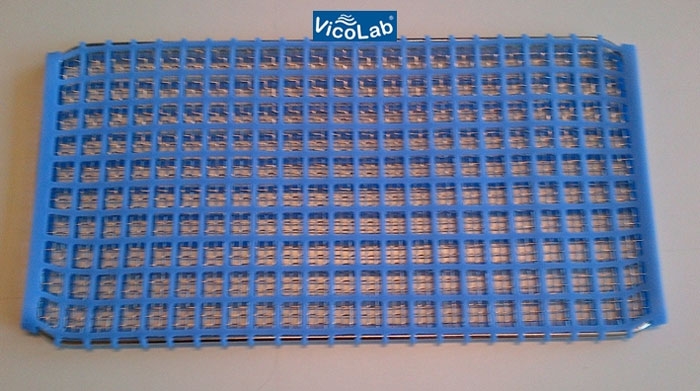
NEW PRODUCT : SILICONE WASHING MACHINE TRAY COVER WITH VICOLAB SILICONE NET VICOLAB®
REGISTRED 682.9
New

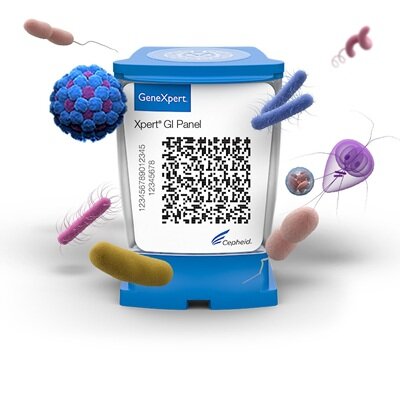
Gastrointestinal Panel
Xpert® GI Panel
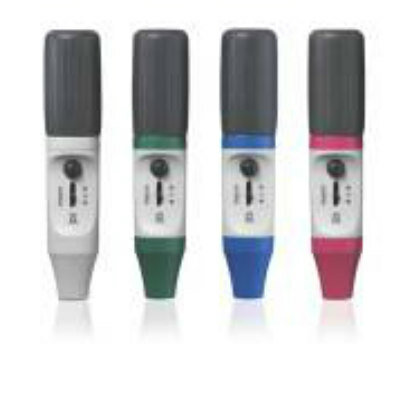

Manual Pipetting Aid
Pipette Controllers macro


