Identifying Protein "Switches” Speeds Drug Development
By Biotechdaily staff writers
Posted on 21 May 2002
New technology allows researchers to identify key regulatory protein "switches” inside human cells to distinguish between healthy and diseased cells and thereby uncover key protein targets for drugs, accelerating the drug development process. The technology was developed by MDS Proteomics, Inc. (Toronto, Canada), and reported in the March 1, 2002, issue of Nature Biotechnology.Posted on 21 May 2002
Regulatory switches, known as phosphorylation sites, activate or deactivate proteins within a cell. The new drug discovery platform of MDS Proteomics allows researchers to examine these switches and identify the proteins being turned on and off as a result of disease or medical treatments. The company and its partners intend to use this platform to chart the effectiveness and side effects of new drug candidates early in the development process. Previously, MDS Proteomics characterized 531 proteins of unknown function, using a yeast model system. This proved the company's ability to target proteins, while the new research helps determine which target to move forward in clinical development.
"This research facilitates more informed decision making, further eliminating the drug discovery bottleneck, by providing a litmus test for drug discovery and development,” said Frank Gleeson, president and CEO of MDS Proteomics.




Platinum Member

Automated Coagulation Analyzer
Hemolumi H6
Gold Member

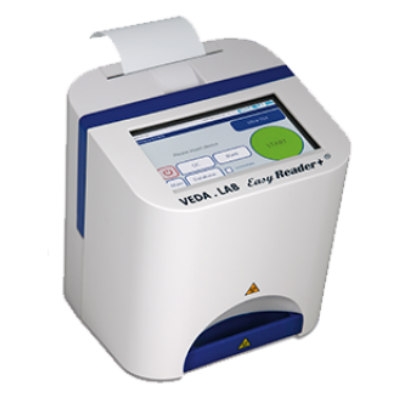
Quantitative POC Immunoassay Analyzer
EASY READER+


Automated Clinical Chemistry Analyzer
Envoy 500+
New

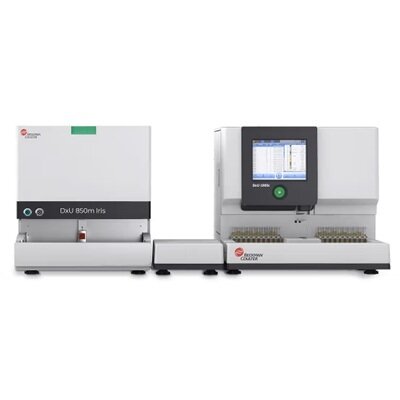
Fully Automated Urinalysis System
DxU 1800 Fully Automated Urinalysis System