






Increasing Muscle Mass May Aid Diabetics
By Biotechdaily staff writers
Posted on 21 May 2002
A study has shown that mice genetically altered to promote obesity but lacking the gene that codes for myostatin stay leaner and healthier and do not develop resistance to insulin. Myostatin is a protein known to limit muscle growth. Conducted by researchers at the Johns Hopkins School of Medicine (Baltimore,MD, USA), the study was reported in the March 1, 2002, issue of the Journal of Clinical Investigation.Posted on 21 May 2002
Previous studies have shown that mice without myostatin become muscle-bound "mighty mice.” Now the researchers show that mice without this protein, even mice that usually become obese, gain much less fat as they age. Regular and obese mice without myostatin gained less fat, as they got older, even though they ate about the same amounts of food as other mice. In fact, "mighty mice” outweighed their counterparts when young, but by 10 months of age weighed the same or less than other mice, which had bulked up with fat.
In people with type 2 diabetes, tissues--especially muscle--stop responding to insulin and therefore do not soak up sugar from the blood. Most current treatment strategies for diabetes target the insulin pathway. The new research suggests that an alternative approach might be to increase muscle mass, which may make the body more efficient at taking up sugar from the blood. The investigators caution that the team is studying genetic knockouts and does not yet know whether it will be possible to block myostatin in adult animals and see similar effects. In any case, myostatin-blocking agents still need to be developed.
"Some normal mice put on a lot of fat as they age and others not as much, but animals lacking myostatin do not put on much fat at all,” says Se Jin Lee, M.D., Ph.D., professor of molecular biology and genetics at Hopkins' Institute for Basic Biomedical Sciences. "This tells me that myostatin might be a useful target for preventing or treating obesity and associated conditions, like diabetes.”
Related Links:
Johns Hopkins




Platinum Member

Automated Coagulation Analyzer
Hemolumi H6

Gold Member

Quantitative POC Immunoassay Analyzer
EASY READER+

New

Drug Testing Assays
Atellica DT 250 Analyzer
New
Gold Member

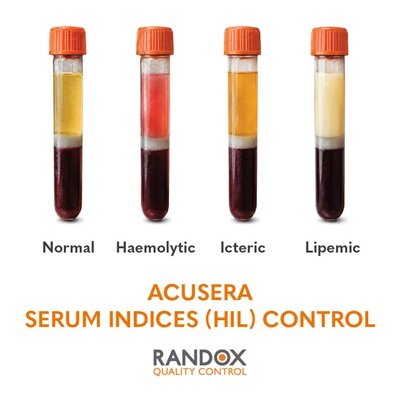
Serum Indices Control
Acusera Serum Indices Control


