






Growth Factor Genes Show Promise in Treating Angina
By Biotechdaily staff writers
Posted on 21 May 2002
Transferring growth factor genes into the heart appears to be a safe and promising treatment for angina, according to a study reported in the February 27, 2002, online issue of Circulation. The safety and effectiveness of the treatment are being tested in the Angiogenic GENe Therapy (AGENT) trial, the first placebo-controlled, double blind trial of the therapy in humans.Posted on 21 May 2002
Researchers studied 79 men and women with coronary artery disease and mild-to-moderate angina. They infused an inactive virus (Ad5) containing the human FGF4 gene into the blood vessels supplying the hearts of 60 men and women. The FGF4 gene can stimulate collateral blood vessel development. The average age of the subjects was 60. About half had experienced a previous heart attack, about one-fourth had previous bypass surgery, and half had hypertension. Another 19 subjects who received placebo served as controls.
The researchers determined that 87% of the gene therapy agent stayed in the heart and none of the protein product linked to the gene was detected elsewhere in the circulatory system. This indicates that the agent targets and tightly binds to heart cells.
Even the sickest patients in the study showed improvements in exercise time. In many patients, the improvement over baseline exercise treadmill time (ETT) was comparable to that seen after surgical interventions or angioplasty, says co-author Robert L. Engler, M.D., a professor at the University of California in San Diego (USA) who helped develop the gene therapy.
According to Dr. Engler, "The results of this study are very encouraging because the response that we saw was far in excess of what we would have expected. Our estimate was that we would have needed a lot more patients to detect any effect on ETT.” Dr.
Engler stresses, however, that the small number of subjects prevents any final conclusions on the effectiveness of the therapy.
Related Links:
University of Cal., San Diego




Platinum Member

Automated Coagulation Analyzer
Hemolumi H6
Gold Member

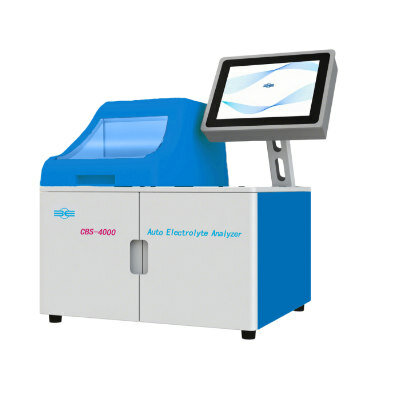
Electrolyte Analyzer
CBS-4000 (CBS-400)
New

Gastrointestinal Panel
Xpert® GI Panel
New
Gold Member

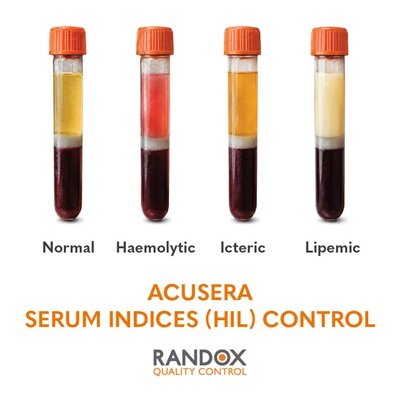
Serum Indices Control
Acusera Serum Indices Control


