Elevated Homocysteine Linked to Form of Stroke
By Biotechdaily staff writers
Posted on 21 May 2002
A study headed by Dr. Allesandro Pezzini of the University of Brescia (Italy) has found a direct link between elevated blood levels of homocysteine and a form of stroke called spontaneous cervical artery dissection (sCAD). Posted on 21 May 2002
Cervical artery dissection (CAD) occurs when the artery from the heart to the brain is cut or torn, allowing blood to rush into the artery lining. Blood clots that form as the body responds to the injury can break away, clogging the artery and causing a stroke. CAD is estimated to cause 20% of ischemic strokes in people under age 45. The major symptom is sudden, excruciating pain on one side of the neck. Although it can be caused by trauma, such as being in an automobile accident, more than half the time it is spontaneous, meaning no trauma can be found.
While sCAD has no obvious traumatic cause, the current study, which appears in the March 2002 issue of Stroke, found that people with elevated blood levels of homocysteine were significantly more represented in the group of patients with sCAD than stroke-free control subjects (64% vs. 13.9%). In addition, those with sCAD were also three times more likely to have two copies of the "T” version of the C677T MTHFR gene (36% vs. 11%), leading researchers to suspect homocysteine's role may be genetic.
Epidemiologic studies have shown that elevated levels of homocysteine in the blood are related to a higher risk of coronary heart disease, stroke and peripheral vascular disease. Some evidence suggests that homocysteine may have an effect on atherosclerosis by damaging the inner lining of arteries and promoting blood clots, but a direct causal link has not been established. Blood levels of homocysteine are strongly influenced by diet and genetic factors.
"Increased blood concentration of homocysteine seems to predispose individuals to sCAD,” says Dr. Pezzini. "Our data also suggest that genetic abnormalities in homocysteine metabolism may be a factor.”




Platinum Member

Automated Coagulation Analyzer
Hemolumi H6
Gold Member

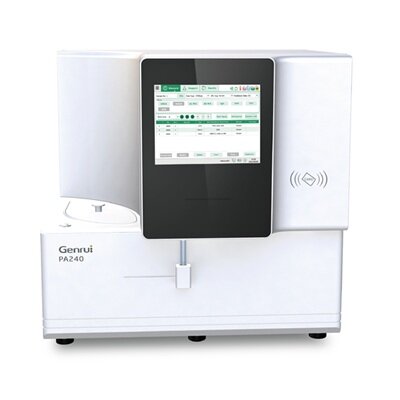
Fully-auto Specific Protein (Nephelometry) Analyzer
PA240
Gold Member

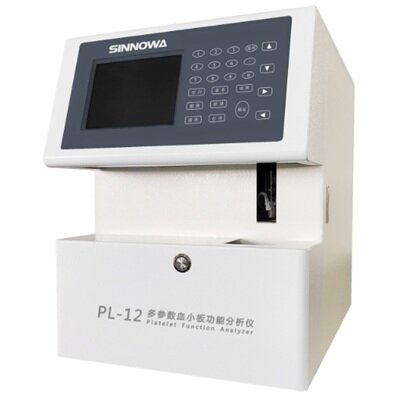
Platelet Function Analyzer
PL-12
Platinum Member
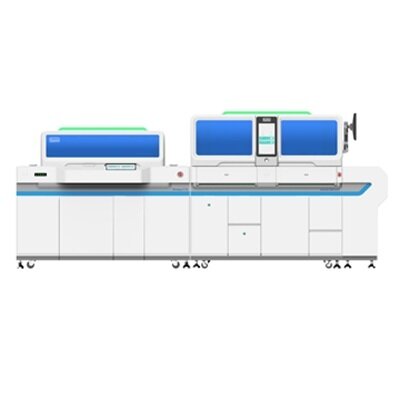
Integrated Biochemical & Immunological System
Biolumi CX Solution X10+C10