Noscapine Slows Growth and Spread of Prostate Cancer
By LabMedica International staff writers
Posted on 31 Mar 2010
Noscapine, a nonaddictive derivative of opium commonly used as an additive in cough medicines, has been shown to be effective in limiting the growth and spread of prostate cancer.Posted on 31 Mar 2010
A cooperative effort united investigators from the Prostate Cancer Research and Education Foundation (PCREF; San Diego, CA, USA), the University of California, San Diego (UCSD; USA), and the MedInsight Research Institute (Baltimore, MD, USA). They worked with a model comprising nude mice that were injected with human prostate cancer cells.
In the study, the mice received oral noscapine or diluent (control) for 56 days, beginning seven days after inoculation with PC3 human prostate cancer cells; or noscapine for 70 days, beginning seven days before inoculation with the cancer cells.
Findings were published in the February 2010 issue of the journal Anticancer Research. They showed that pretreating the mice with noscapine before injecting them with prostate cancer cells resulted in the tumor growth rate being two-thirds smaller in the noscapine group. Furthermore, lung metastasis rates were 80% less in the mice pretreated with noscapine, and the noscapine group suffered no cancer-related weight loss – compared with significant weight loss in the non-noscapine group. Overall, pretreatment with noscapine gave anticancer benefits similar to those seen for treatment that was given after injection of cancer cells. In both cases, there were no signs of toxicity to normal cells or tissues.
"Based on our research so far, we believe that noscapine could be a very promising treatment to prevent recurrence in such cases due to its excellent safety record and oral bioavailability,” said first author Dr. Israel Barken, medical director of the PCREF. "PCREF is now seeking sponsorship for clinical data collection in postsurgery patients who are at high-risk of recurrence for their prostate cancer.”
Senior author Dr. Moshe Rogosnitzky, director of research at the MedInsight Research Institute, said, "It is MedInsight's belief that many effective treatments for this and other diseases can be selected from the vast armory of existing off-patent and unpromoted drugs. The results of this study, once confirmed in a clinical trial, are an example where we may yet again have an agent that not only has an envious safety record, but is already available for use today.”
Related Links:
Prostate Cancer Research and Education Foundation
University of California, San Diego
MedInsight Research Institute




Platinum Member

Automated Coagulation Analyzer
Hemolumi H6
Gold Member

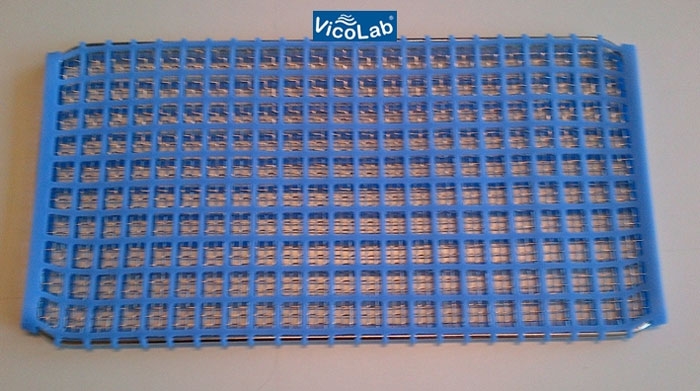
NEW PRODUCT : SILICONE WASHING MACHINE TRAY COVER WITH VICOLAB SILICONE NET VICOLAB®
REGISTRED 682.9

New

Automated Immunoassay Analyzer
SuperFlex™
Gold Member

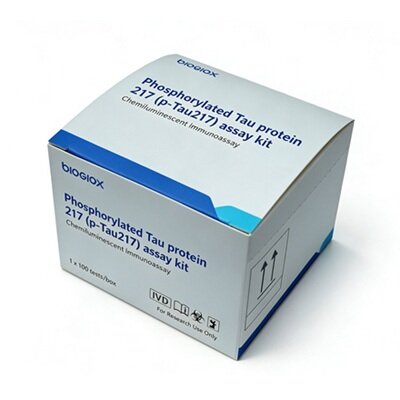
Blood-Based Protein Biomarker Solution for Alzheimer's Disease
BG-DTi2000.