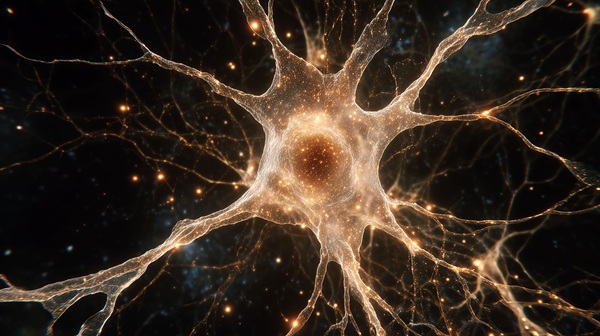
Mechanism Allows Healthy Cells to Maintain Control of Cell Death Proteins
By Biotechdaily staff writers
Posted on 01 Jul 2008
Cancer researchers have identified a molecular mechanism that prevents apoptosis in healthy cells yet triggers cell death after critical DNA damage.Posted on 01 Jul 2008
Investigators at the German Cancer Research Center [Deutsches Krebsforschungszentrum] (Heidelberg) worked with a series of "knockout” mice to examine the relationship between the HIPK2 tumor suppressor protein, an important regulator of cell death, and the E3 ubiquitin ligase Siah-1.
They reported in the June 8, 2008, online edition of the journal Nature Cell Biology that while healthy cells constantly produce HIPK2, it immediately binds to Siah-1, which induces HIPK2 polyubiquitination and subsequent destruction by the cell. When normal cells suffer slight DNA damage, they block degradation of HIPK2 by Siah-1 for a short time. When the damage is repaired, the cell immediately resumes HIPK2 degradation. Only in severely damaged cells, such as those with a broken DNA double strand, is Siah-1 degradation of HIPK2 blocked permanently. As a result, HIPK2 accumulates, apoptosis is triggered, and the cell dies.
In some types of cancer cells this mechanism fails to operate. The degradation of HIPK2 by Siah-1 is not inhibited, and cells with damaged DNA proliferate instead of dying.
"Cancer medicine might be able to make use of our discovery,” said senior author Dr. Thomas G. Hofmann, a researcher at the German Cancer Research Center. "For example, we could use a Siah-1 blocker simultaneously with chemotherapy or radiotherapy to get the cells back into the apoptosis program.”
Related Links:
German Cancer Research Center




Platinum Member

Automated Coagulation Analyzer
Hemolumi H6

Gold Member

Neonatal Heel Incision Device
Tenderfoot
Platinum Member
Integrated Biochemical & Immunological System
Biolumi CX Solution X10+C10

New
Silver Member

Connectivity Solution
EKF Link