Aspirin-Like Compounds May Provide Safer Way to Combat Heart Disease
By Biotechdaily staff writers
Posted on 02 Apr 2008
Researchers in Italy reported the development of a new group of aspirin-like substances that may be safer and as effective as conventional aspirin for fighting heart disease, the leading cause of death in the developed world. Posted on 02 Apr 2008
The study appeared in the March 27, 2008, issue of the Journal of Medicinal Chemistry. Physicians have known for a long time that daily low-doses of aspirin (acetylsalicylic acid) reduce the risk of developing heart attacks and stroke in some people. However, prolonged use of aspirin can damage the stomach lining, causing bleeding and ulcers that can be life threatening. A safer form of aspirin is needed, according to researchers.
In the new study, Dr. Alberto Gasco and colleagues, from the Università delgi Studi di Torino (Torino, Italy), designed a new form of aspirin by attaching a particular chemical structure--called a nitrooxy-acyl group--that allows the drug to resist breakdown by stomach acidity while promoting its absorption by the blood. In laboratory tests using animal models, the new "aspirin-like” substances demonstrated anti-inflammatory activities similar to regular aspirin and caused reduced or no damage to stomach tissue in comparison to equivalent amounts of regular aspirin. Some molecules also reduced platelet aggregation and promoted artery expansion, which are hallmarks of improved heart health, the researchers noted.
Related Links:
Università delgi Studi di Torino




Platinum Member

Automated Coagulation Analyzer
Hemolumi H6
New
Gold Member

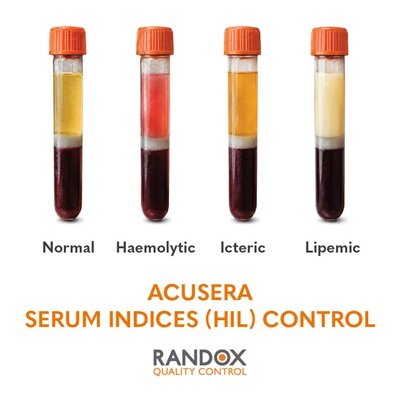
Serum Indices Control
Acusera Serum Indices Control
Gold Member

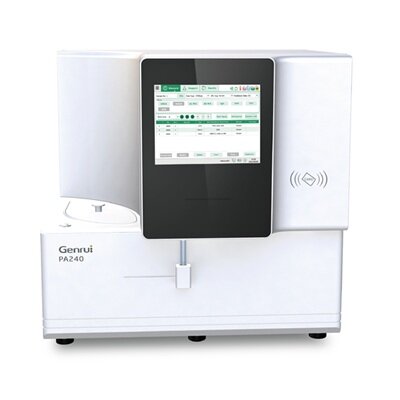
Fully-auto Specific Protein (Nephelometry) Analyzer
PA240
New

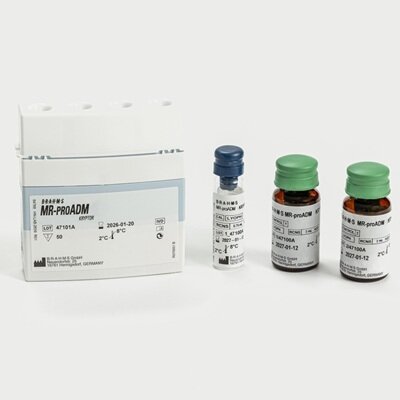
MR-proADM Test
B•R•A•H•M•S MR-proADM KRYPTOR test