Painkillers May Affect Learning and Memory
By Biotechdaily staff writers
Posted on 31 Mar 2008
A class of painkillers designed to work on the peripheral nervous system has been found also to affect the central nervous system, having possibly significant consequences on synaptic plasticity, a process that controls learning and memory.Posted on 31 Mar 2008
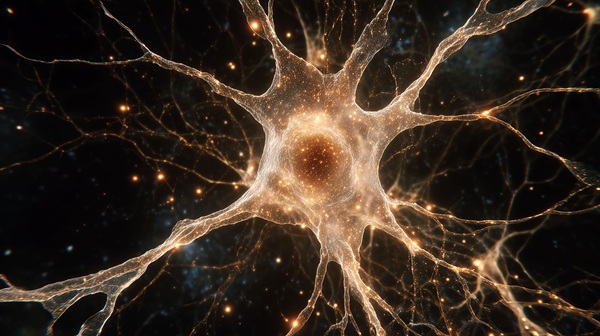
In neuroscience, synaptic plasticity is the ability of the synapse between two neurons to change in strength. There are several underlying mechanisms that cooperate to achieve synaptic plasticity, including changes in the quantity of neurotransmitter released into a synapse and changes in how effectively cells respond to those neurotransmitters. Since memories are postulated to be represented by vastly interconnected networks of synapses in the brain, synaptic plasticity is one of the important neurochemical foundations of learning and memory.
Investigators at Brown University (Providence, RI, USA; www.brown.edu) studied changes in rat brain cells induced by treatment with a class of drugs that blocks TRPV1 (transient receptor potential vanilloid 1), a pain receptor that when activated causes the pain in inflammation. The drugs tested are related to the anti-obesity drug Acomplia, which was denied [U.S.] FDA approval because of concerns that the drug increased risk of depression and suicide.
The authors reported in the March 13, 2008, issue of the journal Neuron that TRPV1 regulated the neural mechanism called long-term depression, which is believed to be central to establishing memory pathways in the brain. This was due to the expression of TRPV1 in areas of the central nervous system including the hippocampus, and that in the hippocampus TRPV1 receptor activation selectively modified synapses.
"In this study, we show for the first time that TRPV1 receptors are necessary and sufficient for a novel form of long-term depression at excitatory synapses,” concluded the researchers. "The broad distribution of TRPV1 receptors in the brain suggests that these receptors could play a similar role in synaptic plasticity throughout the central nervous system.”
If TRPV1 is important in hippocampal synaptic plasticity, as this study suggests, then systemic drugs that block TRPV1 may interfere with many processes thought to rely on hippocampal synaptic plasticity, such as learning and memory.
Related Links:
Brown University




Platinum Member

Automated Coagulation Analyzer
Hemolumi H6
.jpg)
Gold Member

Clinical Chemistry Assay
Sorbitol Dehydrogenase (SDH)
New

Nucleic Acid Purification Instrument
QIAsymphony Connect


Hematology Consumables
Bioblood Devices