Use of Signal Transduction Inhibitors to Treat Cancer in Children Questioned
By Biotechdaily staff writers
Posted on 24 Mar 2008
A drug that had been found effective for treating medulloblastoma, a type of brain tumor found mostly in children, in a mouse model has now been found to cause permanent bone damage in young mice and may not be appropriate for use in human children.Posted on 24 Mar 2008
In 2004 researchers treated mice from a line that had been genetically engineered to develop medulloblastoma with oral doses of HhAntag, a signal transduction inhibitor (STI) known to block the function of a molecule called smoothened (Smo). The suppression of Smo also suppressed several genes that are critical to triggering and driving tumor growth. The compound inhibited cell proliferation and led to the death of tumor cells, resulting in regression of the medulloblastoma. The Smo protein is part of a biochemical cascade of reactions called the Sonic Hedgehog pathway (Shh). The Shh pathway triggers normal growth of the cerebellum in the fetus, but abnormal activity during infancy and early childhood causes medulloblastoma. The hedgehog pathway does not function in tumor cells cultured in dishes: only animal studies were able to show that HhAntag could halt and reverse an otherwise fatal cancer.
In the current study, investigators at The Children's Hospital of Philadelphia (PA, USA) tested HhAntag on young mice, 10 to 14 days old, in contrast to the adult mice tested previously. They reported in the March 2008 issue of the journal Cancer Cell that when examined after only four doses of the drug, the treated mice were found to be smaller with lower weight and shorter bones than untreated mice, and the effects were not reversible.
"We already knew that the same biological pathway involved in the growth of tumors was also involved in bone development,” said senior author Dr. Tom Curran, professor of developmental biology at The Children's Hospital of Philadelphia, "but we did not expect temporary inhibition to cause an irreversible change in bone growth. While it is not clear that the bone defects we observed in mice would also occur in children, and while signal transduction inhibitors may still represent a highly promising approach to treating pediatric cancer, it may be important to perform pre-clinical testing in young animals before moving ahead to clinical trials. Signal transduction inhibitors such as this drug may still prove beneficial in treating children's cancers, but our findings raise questions about possible adverse effects during childhood development.”
Related Links:
The Children's Hospital of Philadelphia




Platinum Member

Automated Coagulation Analyzer
Hemolumi H6
Gold Member

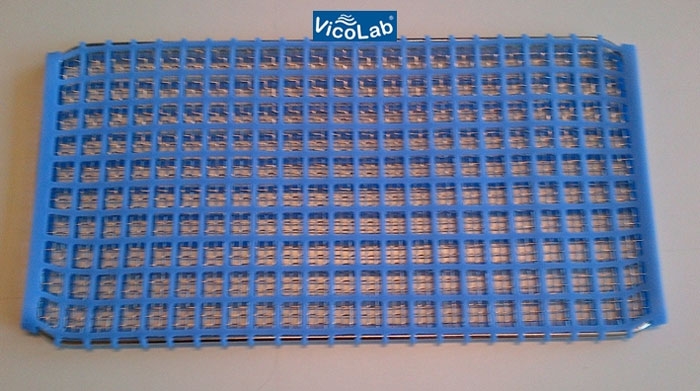
NEW PRODUCT : SILICONE WASHING MACHINE TRAY COVER WITH VICOLAB SILICONE NET VICOLAB®
REGISTRED 682.9
New

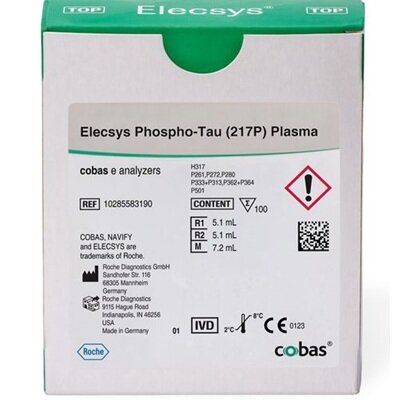
Alzheimer's Disease Biomarker Assay
Elecsys Phospho-Tau (217P) Plasma


Automated Urinalysis Solution
UN-9000