Renin Inhibitor Lowers Blood Pressure and Shrinks Arterial Lesions
By Biotechdaily staff writers
Posted on 25 Feb 2008
Cardiovascular disease researchers have found that the anti-hypertension drug aliskiren has an added benefit in that the drug's inhibition of renin activity reduced the size of atherosclerotic lesions in the arteries of experimental animals.Posted on 25 Feb 2008
Renin is an enzyme released by the kidneys in response to exercise and stress that helps maintain the correct salt and fluid balance in the body. Renin plays a role in regulation of blood pressure by catalyzing the conversion of the plasma glycoprotein angiotensinogen to angiotensin I. This, in turn, is converted to angiotensin II by an enzyme that is present in relatively high concentrations in the lung. Angiotensin II is one of the most potent vasoconstrictors known, and also is a powerful stimulus of aldosterone secretion. Overproduction of renin can cause hypertension.
Aliskiren (marketed under the brand name Tekturna), an octanamide, is the first known representative of a new class of completely non-peptide, low-molecular weight, and orally active transition-state renin inhibitors. Designed through the use of molecular modeling techniques, it is a potent and specific inhibitor of human renin with a plasma half-life of about 24 hours. Aliskiren has good water solubility and low lipophilicity and is resistant to biodegradation by peptidases in the intestine, blood circulation, and the liver. The [U.S.] Food and Drugs Administration approved use of the drug in 2007.
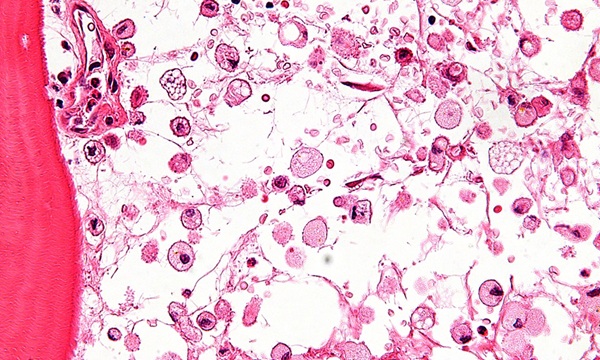
In the current study, investigators at the University of Kentucky (Lexington, USA; www.uky.edu) worked with a line of mice genetically engineered to lack low-density lipoprotein (LDL) receptors. When fed on high fat diets these animals developed large arterial lesions. Such animals were then treated with varying doses of aliskiren. Results published in the February 14, 2008, online edition of the Journal of Clinical Investigation revealed that the renin inhibition caused by the drug resulted in striking reductions of atherosclerotic lesion size in both the aortic arch and the root.
"In my many years of atherosclerosis research, this is one of the most striking effects I have seen on preventing the disease under experimental conditions,” said senior author Dr Alan Daugherty, professor of nutritional sciences at the University of Kentucky. "Our data shows that renin inhibition is an effective approach to both lowering blood pressure and directly inhibiting atherosclerosis. It will be interesting to determine whether this approach is more effective than the two other commonly used classes of drugs in the angiotensin system, ACE inhibitors and ARBs (angiotensin receptor blockers).”
Related Links:
University of Kentucky




Platinum Member

Automated Coagulation Analyzer
Hemolumi H6

Gold Member

Platelet Function Analyzer
PL-12

Automatic CLIA Analyzer
Shine i6000

HPV Test
Allplex HPV28 Detection