Iron Chelating Agent Found To Stimulate Bone Regeneration
By Biotechdaily staff writers
Posted on 29 Jan 2008
Researchers have found that the chelating drug deferoxamine (DFO) stimulated bone healing and re-growth by activating a metabolic pathway that normally facilitates the body's response to low oxygen levels.Posted on 29 Jan 2008
DFO is a chelating agent used to remove excess iron from the body. It acts by binding free iron in the bloodstream and enhancing its elimination in the urine. Treatment with DFO is also frequently necessary to treat hemochromatosis, a disease of iron accumulation that can be either genetic or acquired. Administration for chronic conditions is generally accomplished by subcutaneous injection over a period of 8-12 hours daily.
In the current study, investigators at the University of Alabama (Birmingham, USA) tested the effect of DFO on bone regeneration in mice. They severed one leg in each mouse and then administered DFO while the leg was undergoing a stretching regimen.
Results published in the January 8, 2009, issue of the Proceedings of the [US] National Academy of Sciences (PNAS) revealed that DFO treatment stimulated the HIF-1-alpha pathway, which caused significant increases in the number of new blood vessels feeding the damaged bone tissue and excellent connectivity between those vessels. New blood vessels were required to regenerate bone of equal or better strength than the original.
"With DFO activating this pathway, we have proven a significant point--it is possible to explore new, safe, and more affordable ways kick-start bone repair,” said senior author Dr. Shawn Gilbert, assistant professor of orthopedic surgery at the University of Alabama School of Medicine. "Current treatments use complex proteins, which are expensive to make and cost thousands of dollars per dose. The type of agent used in this study is a simple, small molecule drug that costs hundreds, not thousands.”
Related Links:
University of Alabama




Platinum Member

Automated Coagulation Analyzer
Hemolumi H6
Gold Member

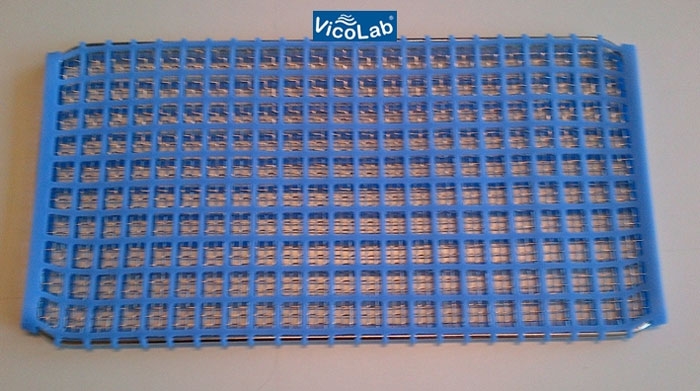
NEW PRODUCT : SILICONE WASHING MACHINE TRAY COVER WITH VICOLAB SILICONE NET VICOLAB®
REGISTRED 682.9
New

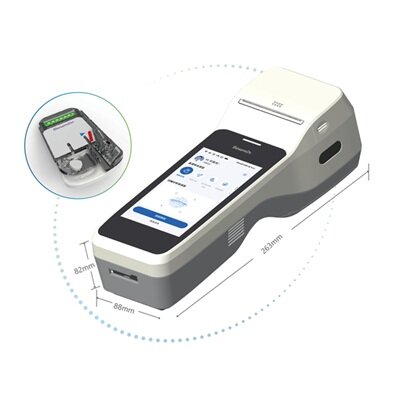
Portable POCT Blood Gas Analyzer
BD100
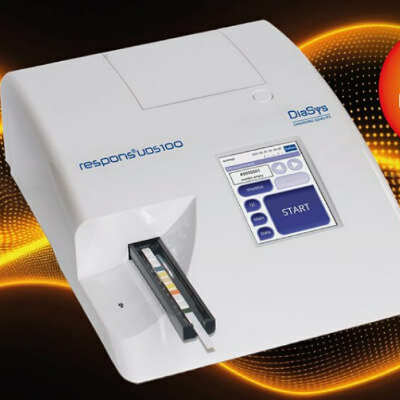
Urine Analyzer
respons® UDS100