Protein's New Role Discovered in Autoimmune Disease
By Biotechdaily staff writers
Posted on 21 Jan 2008
Investigators have identified the previously unknown role of a chemical ‘messenger' leading to autoimmune disorders like rheumatoid arthritis and lupus. The messenger is the naturally occurring chemical interleukin 17 (IL-17), an immunity protein.Posted on 21 Jan 2008
Researchers from the University of Alabama at Birmingham (UAB; USA) discovered an unknown role IL-17 plays in autoimmune and inflammatory responses, aside from its commonly known effects within immunity. Future research will focus on IL-17's unwanted actions and preserve its benefits within the immune system.
In the study, UAB scientists blocked messenger signals from the IL-17 protein to the immune system of mice. This disruption significantly reduced the number of white blood cells, namely, disease-causing B cells, gathered in the laboratory mice's spleen. The number of B-cell clusters decreased from 17 %-2% when the IL-17 protein signals were blocked, according to the study researchers. The decrease was a definitive sign that IL-17 plays a major role on shaping B cells' ability to create more and more disease-causing antibodies.
"The effect of IL-17 to slow down B cells, thereby enhancing their interaction with other immune regulatory cells is a new and exciting discovery,” said John D. Mountz, M.D., Ph.D., UAB professor of medicine and senior author on the study. "This is surprising since previously IL-17 was thought to increase, but not decrease, cell motion. Now the effects of IL-17 on B cells can be explored more fully.”
Many types of B cells make up the human immune system, which is regulated to sense and fight infection without attacking normal, healthy tissue. In autoimmune diseases, this regulatory process becomes imbalanced.
"Knowing more about IL-17's ability to regulate unwanted B-cell migration will generate new ideas in the ongoing search for better drug targets in preventing and treating autoimmune disease,” said Hui-Chen Hsu, Ph.D., an assistant professor in the UAB division of clinical immunology and rheumatology and lead author on the study.
The new findings were published in the online December 23, 2007, issue of the journal Nature Immunology.
Related Links:
University of Alabama at Birmingham




Platinum Member

Automated Coagulation Analyzer
Hemolumi H6
New
Gold Member

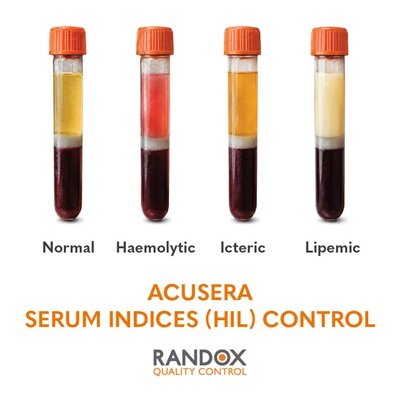
Serum Indices Control
Acusera Serum Indices Control

Hematology Consumables
Bioblood Devices
New

Automated Immunoassay Analyzer
SuperFlex™