Fish Oil's Omega-3 Fatty Acids Protect against Alzheimer's Disease
By Biotechdaily staff writers
Posted on 15 Jan 2008
A recent publication reported that fish oils rich in omega-3 fatty acids, which have been linked to lower incidence of cardiovascular disease, may also provide protection against late-onset Alzheimer's disease (LOAD).Posted on 15 Jan 2008
A major characteristic of Alzheimer's disease is the presence of amyloid plaques in the diseased brain. These plaques are formed by the action of the secretase group of enzymes on amyloid precursor protein (APP). Proteolysis of APP generates amyloid beta, a 39-42 amino acid peptide whose amyloid fibrillar form is the primary component of the amyloid plaques found in the brains of Alzheimer's disease patients.
Basing their study on previous results that had shown the importance of lipoprotein receptors in the development of Alzheimer's disease, investigators at the University of California, Los Angeles (USA focused their efforts on lipids that regulate the activity of lipoprotein receptors.
The investigators reported in the December 26, 2007, issue of the Journal of Neuroscience that docosahexaenoic acid (DHA), the main omega-3 fatty acid found in fish oil, increased the production of LR11 protein. The level of this protein, which was known to interfere with amyloid plaque formation, was found to be reduced in Alzheimer's patients.
Working with a variety of cell culture systems and animal models, the investigators showed that DHA significantly increased LR11 in primary rat neurons, aged normal mice, an aged DHA-depleted Alzheimer's disease mouse model, and a human neuronal line. The results suggested that high levels of DHA generated abundant LR11, which prevented formation of amyloid plaques.
"We found that even low doses of DHA increased the levels of LR11 in rat neurons, while dietary DHA increased LR11 in brains of rats or older mice that had been genetically altered to develop Alzheimer's disease,” said senior author Dr. Greg Cole, professor of medicine and neurology at the University of California, Los Angeles.
Based on the results of the DHA study, the [U. S.] National Institutes of Health (Bethesda, MD, USA) is currently conducting a large-scale clinical trial with DHA in patients with established Alzheimer's disease.
Related Links:
University of California, Los Angeles
National Institutes of Health




Platinum Member

Automated Coagulation Analyzer
Hemolumi H6
New
Gold Member

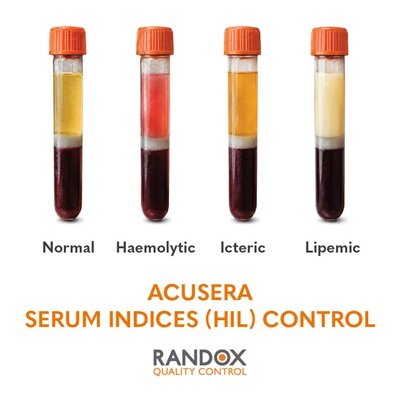
Serum Indices Control
Acusera Serum Indices Control

CMV CLIA Diagnostic
CLIA CMV IgA Screen Group
New

Drug Testing Assays
Atellica DT 250 Analyzer