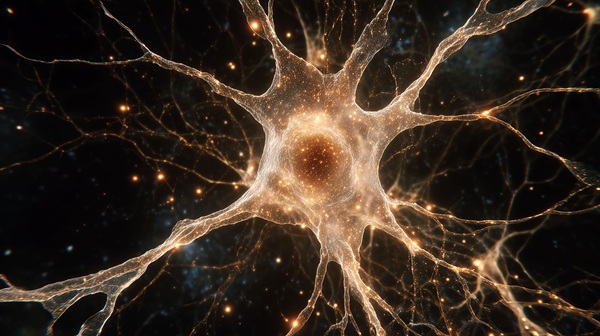
Stem Cells Predict Disease and Drug Toxicity
By Biotechdaily staff writers
Posted on 24 Dec 2007
Scientists have used human embryonic stem cells to predict the toxic effects of drugs and provide chemical clues to diagnosing disease. Posted on 24 Dec 2007
All-purpose stem cells elicited and identified the chemical signals secreted by the stem cells when exposed to a drug known to cause autism. The research shows that stem cells have an immediate clinical application as they generate chemicals, biomarkers that can be used to predict the onset of disease, much like cholesterol or sugar in the blood can be used to forecast heart disease or diabetes.
In a new study, a team led by University of Wisconsin-Madison, (UW-Madison; Madison, WI, USA) biologist Prof. Gabriela Cezar measured the response of undifferentiated stem cells as well as precursor neural cells to the drug valproate, which is known to cause autism in the offspring of a small percentage of users. The drug is used to treat epilepsy, bipolar disease, and migraine headaches. "We [are] measuring active metabolites produced by the cells in response to an insult,” explained Dr. Cezar, a professor of animal science. "These are de facto signatures of what is happening in response to a drug or a disease state.”
Cells of all kinds use small-molecule chemicals as a way to communicate with other cells. Precise communication between cells is essential for normal development and the health of an organism. Such chemicals can be detected in blood, suggesting that it may be possible to devise simple tests that can provide disease diagnosis before birth or shortly after. The ability to tune in to the chemical chatter of stem cells may become a promising new window to helping scientists figure out, at the most fundamental level, what goes wrong to cause things such as birth defects and miscarriage.
In addition, the study shows how human embryonic stem cells and early precursor cells can be used to screen drugs for potentially harmful effects. Drug discovery and testing had been predicted to be one of the first technologies to emerge from embryonic stem cells.
The study was reported in the December 2007 journal Stem Cells and Development.
Related Links:
University of Wisconsin-Madison




Platinum Member

Automated Coagulation Analyzer
Hemolumi H6
Gold Member

Automatic Hematology Analyzer
CF9600

All-in-One Molecular System
AIO M160

LAIR2 Antibody Pair Set
LAIR2 Antibody Pair [Biotin]